 Gary Zhou
Key Takeaways
- Former Tesla leaders diverge from Elon Musk’s optimistic self-driving predictions.
- Andrej Karpathy emphasizes that autonomous driving is not solved and requires extensive iteration.
- Sterling Anderson criticizes Tesla’s safety record compared to GM’s Super Cruise, underlining the importance of building trust with consumers.
- Tesla currently faces numerous lawsuits related to its Autopilot and Full Self-Driving features.
- Musk’s timelines for full self-driving capabilities have been repeatedly missed, creating skepticism among engineers.
In recent discussions, two former Tesla self-driving leaders have openly contradicted Elon Musk’s bullish stance on the progress of autonomous driving technology. According to them, the journey to fully autonomous driving is far from over, with several challenges persisting that need careful consideration and resolution.
Andrej Karpathy’s Perspective: The Long Road Ahead for Autonomy
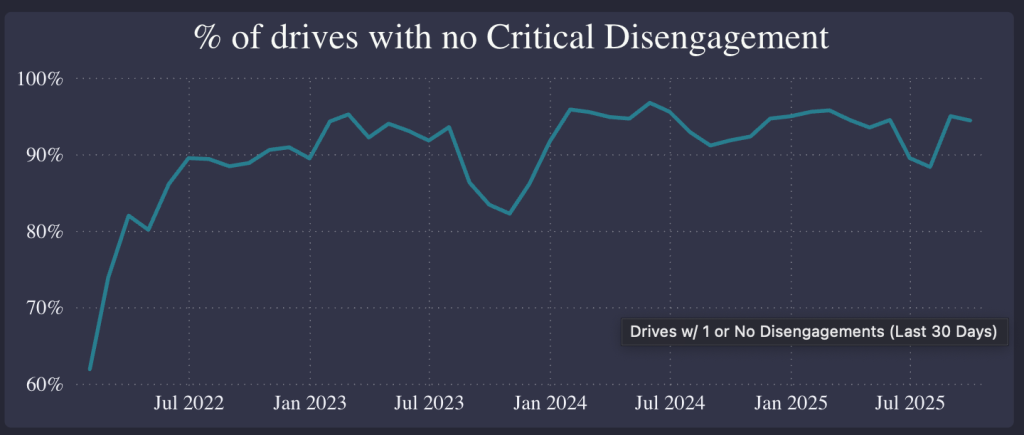
Andrej Karpathy, Tesla’s former head of artificial intelligence, underscores the fact that achieving full autonomy in driving isn’t just around the corner. The notion that self-driving technology is a solved problem is misleading. Karpathy likens the development process to a “march of nines” — each level of improvement requiring substantial and consistent work.
Why Self-Driving is More Complex than Anticipated
- Complex Iterations: Karpathy points out that while initial demonstrations might work 90% of the time (“the first nine”), each subsequent improvement (“new nines”) demands equal effort.
- Data-centric Challenges: Enhancements in AI for autonomous driving involve processing vast amounts of data and real-world scenarios, making scalability a significant hurdle.
- Long-term Vision: Karpathy believes Tesla’s approach is scalable, though timelines and achievable milestones need realistic assessment.
Sterling Anderson’s View: A Focus on Safety and Trust
Sterling Anderson, Tesla’s initial Autopilot leader, now at GM, criticizes Tesla’s safety track record in comparison to GM’s Super Cruise. Anderson pointedly remarks that GM’s customers have safely navigated over 700 million hands-free miles, a testament to the reliable and safety-first philosophy at GM.
Safety as a Critical Benchmark
- Building Trust: Anderson emphasizes the importance of delivering safe products to build long-term trust with consumers, a factor where Tesla has faced challenges.
- Current Legal Troubles: Tesla’s journey is marred with multiple lawsuits concerning accidents with its Autopilot features, impacting its reputation and customer confidence.
The Reality of Missed Timelines: A Skepticism Among Engineers
Despite ambitious timelines announced by Musk for removing safety monitors and enabling unsupervised self-driving, history shows a pattern of unfulfilled promises, leading to skepticism from the engineering community. This disconnect between public statements and engineering realities is a significant factor in ongoing industry challenges.
Bridging the Gap: The Way Forward for Tesla
For Tesla to bridge this gap, as suggested by its former leaders, a recalibration of goals aligned with technological and safety benchmarks is essential. Only through significant advancements and consistent validation can the ambitions of autonomous driving become a reality.
The insights provided by former leaders of Tesla’s self-driving initiative highlight the complexities and necessary caution in the race towards autonomous driving. While Elon Musk’s vision has pushed the boundaries of innovation, it is equally crucial to realign with the practical challenges and safety considerations underscored by industry experts.