 Gary Zhou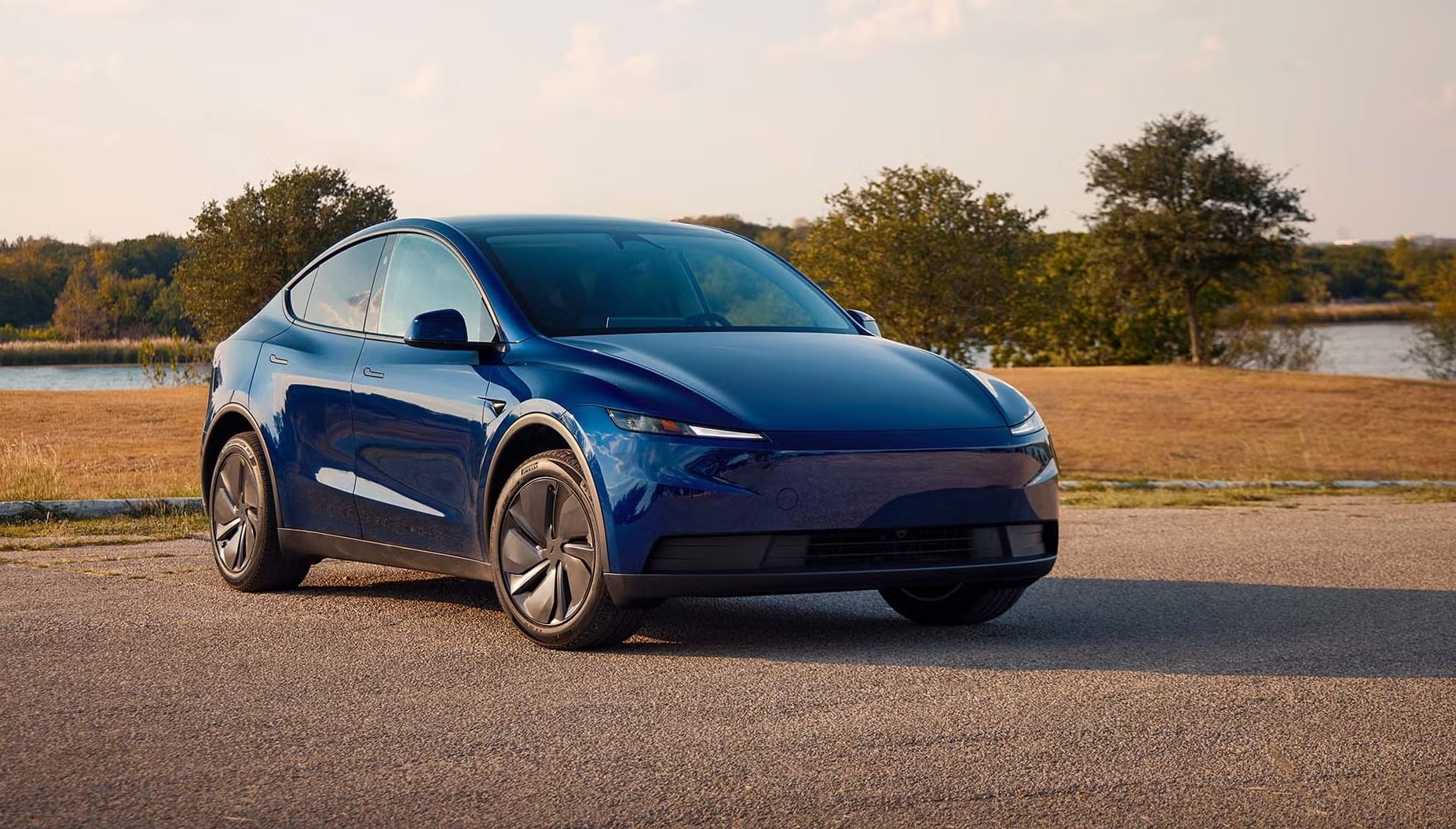
Key Takeaways
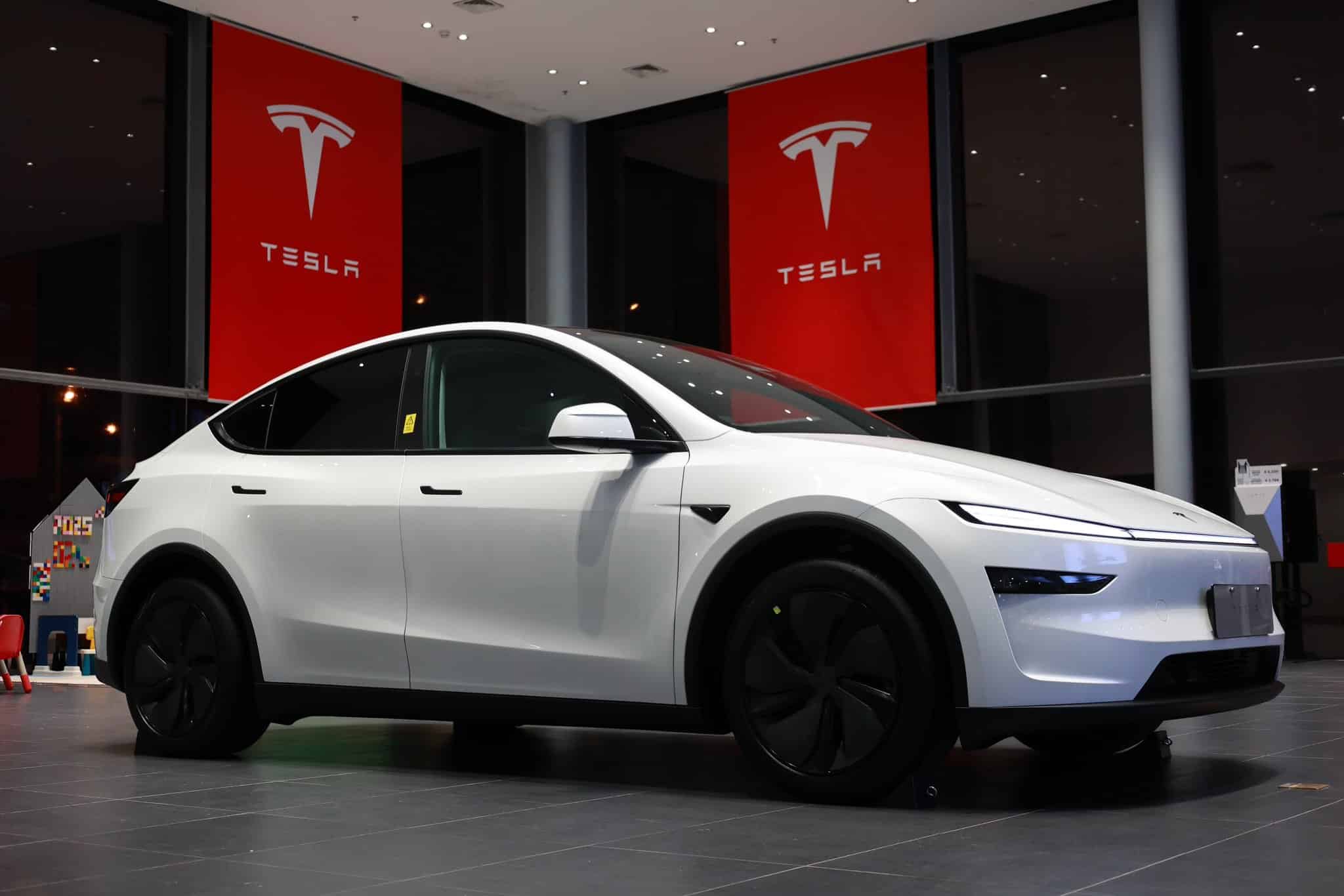
- Tesla launched a new cheaper Model Y but appears reluctant to sell it in the US.
- The new Model Y is priced $5,000 lower than the Long Range version, yet features worth $6,000-$8,000 have been removed.
- Leasing options are not available for the new version, mirroring a similar approach taken with the Model Y Performance.
- Financing for the new Model Y comes with a significantly higher APR compared to the Premium model, resulting in minimal monthly payment differences.
- The lack of standard features like Autopilot and the use of cheaper materials contribute to a perceived poor value proposition of the new Model Y.
The recent release of Tesla’s new, more affordable Model Y has left both enthusiasts and potential customers with a mixed bag of feelings. While a lower price tag is always appealing, the reality behind this pricing strategy raises some critical questions. Let’s delve into the implications of Tesla’s pricing strategy, the changes made to the new Model Y, and the broader impact on prospective buyers.
Understanding the Pricing Paradox
Tesla’s decision to introduce a cheaper Model Y at $5,000 less than its Long Range counterpart might intuitively seem like a win for consumers. However, the cost-saving measures implemented by Tesla have essentially led to the removal of features that were valued between $6,000 and $8,000. This effectively negates the price reduction and raises questions about the true value offered by the vehicle.
Key Features Removed
- Standard Autopilot: Once a hallmark of Tesla’s innovative allure, the removal of Autopilot as a standard feature translates into a significant depreciation in the overall value.
- Interior Material Downgrades: Switching to cloth interiors and cheaper seats subtly undermines the premium feel previously associated with Tesla interiors.
- Hardware Simplifications: Minor but noticeable adjustments such as replacing power folding mirrors and covering the glass roof rather than removing it signal a shift toward cost-cutting over legacy quality.
Leasing Strategy: A Recurring Theme
Tesla’s decision not to offer leasing options for the new Model Y is consistent with earlier approaches taken for the Model Y Performance variant. This raises several questions and potential implications:
- Sales Tactics: By limiting financial flexibility, Tesla might be unconsciously steering customers toward more expensive models where leasing is offered.
- Market Positioning: This move suggests Tesla could be positioning the cheaper Model Y away from the mainstream leasing market, possibly indicating doubts about its competitive durability or appeal.
Financing Dynamics and Buyer Impact
Where leasing isn’t an option, financing strategies often become a pivotal factor in decision-making. However, Tesla’s higher APR (Annual Percentage Rate) for the new Model Y sits almost 30% above that of the Premium model. Consider the following:
- Minimal Monthly Savings: The slight difference in monthly payments between the new variant and its more premium cousins does little to promote the cheaper alternative as a financially viable option.
- Long-term Ownership Costs: Over the vehicle’s lifespan, buyers might find fewer savings due to initial financing costs, compounded with a lower retention of value over time.
Evaluating the Value Proposition
The removal of features coupled with constrained financial options paints a complex picture for the new Model Y. Here are a few considerations:
- Efficiency Savings: Despite these changes, the Model Y remains an efficient electric vehicle, continuing to lead in energy efficiency metrics.
- Consumer Decision-Making: Potential buyers are encouraged to weigh the immediate price appeal against long-term costs, driving experience, and resale value.
Tesla’s efforts to expand its market reach with a more affordable Model Y are not without intricacies. While the initial cost reduction seems promising, the strategic diminution in features and the financial structuring surrounding this model may dampen its attractiveness.
As Tesla navigates its bold strategy, potential buyers must conduct thorough research and analyze how these factors align—or clash—with their individual needs and values. Conversely, Tesla’s continued commitment to innovating and maintaining leadership in EV efficiency is commendable, suggesting that consumers should keep an eye on how these dynamics evolve.