 Gary Zhou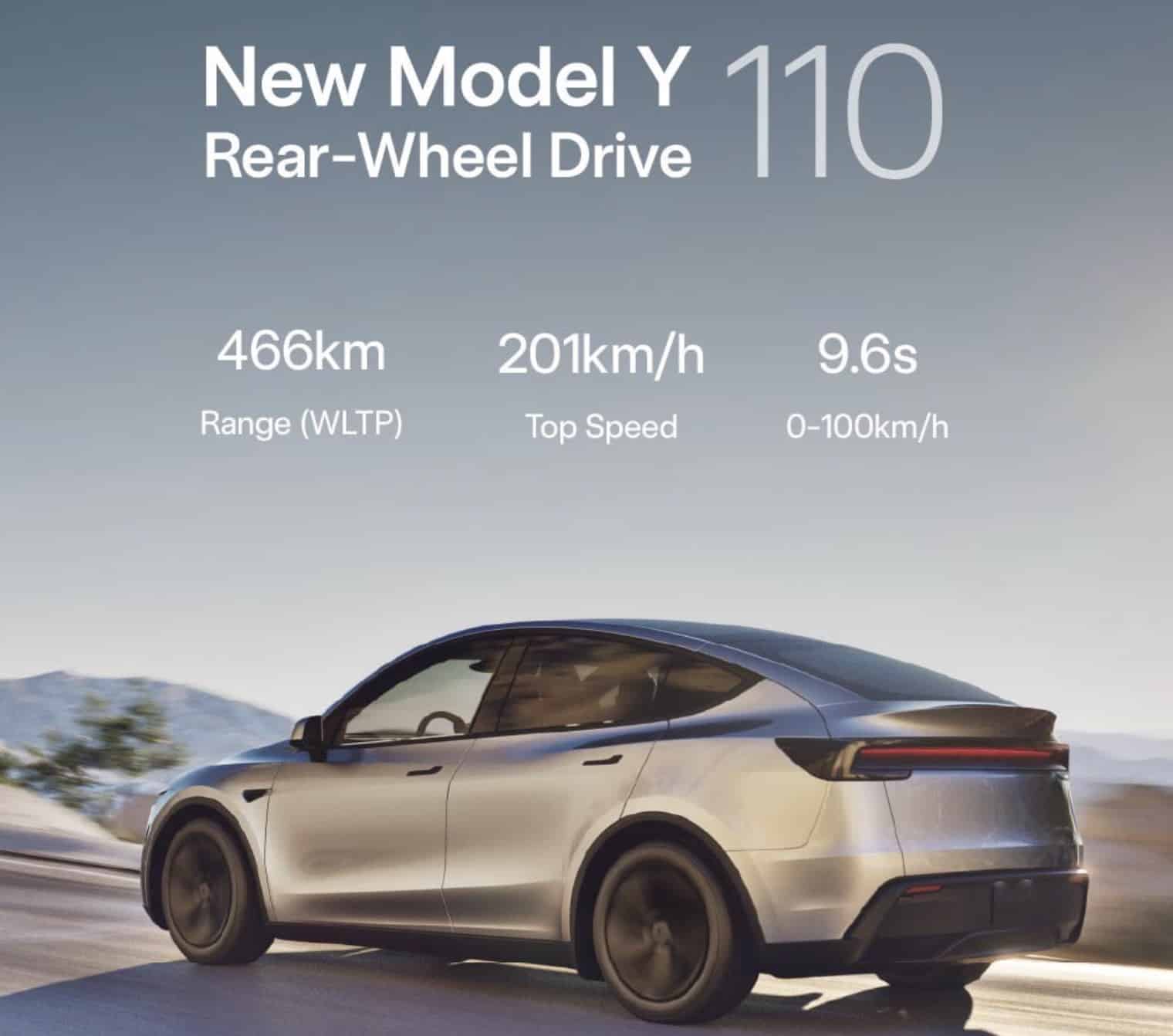
Key Takeaways
- Tesla unveiled the Model Y RWD 110 in Singapore, specifically tuned for Category A COE rules.
- The Model Y RWD 110 adapts the Model Y’s power to 110kW from 255kW, making it eligible for cheaper COE like the prior Model 3 adaptation.
- Category A COEs are targeted at mass-market cars, offering lower premiums than Category B, which other brands like BMW and Mercedes-Benz also utilize.
- Significant savings arise from reduced road tax; the Model Y RWD 110’s road tax in Singapore is notably less, bringing a total savings of SGD 19,160 over a 10-year COE.
- Despite being more affordable, the Model Y RWD 110 retains the same battery capacity, energy use, equipment, and design as the standard 255kW version.
- Tesla’s strategic pricing sets the Model Y RWD 110 SGD 3,026 below the 255kW version, pre-COE.
- There are possibilities of Tesla releasing cheaper, custom vehicle versions in other countries, with hints of a lower-priced Model Y for China maintaining certain specifications.
Tesla has long been driven by innovation and adaptability, and its latest move in Singapore with the Model Y RWD 110 is no exception. By customizing its offerings to align with local policies and consumer needs, Tesla is making waves in the automotive industry once again. This strategic localization not only helps Tesla capture market share in Singapore but also showcases a potential path for expansion in other regions.
Understanding the Singapore Auto Market
What is the COE?
To comprehend the significance of Tesla’s latest release, one must first understand Singapore’s unique Certificate of Entitlement (COE) system. The COE is a license that allows you to own and operate a vehicle in Singapore. It represents a bid for the right to own a car, adding significant cost to the vehicle’s price. The COEs are categorized into different segments, notably Category A, which is intended for mass-market vehicles, thus having lower premiums compared to Category B.
Why Tailor the Model Y for Category A?
Singapore’s COE system plays a crucial role in determining vehicle affordability and accessibility. Category A COEs are often preferred due to their cost-effectiveness. By tweaking the Model Y’s power output to 110kW from the standard 255kW, Tesla ensured the vehicle’s inclusion in Category A. This strategy, previously successful with the Model 3, offers customers an affordable entry point to Tesla’s innovative electric vehicles, while simultaneously broadening Tesla’s potential market in Singapore.
Financial Benefits of the Model Y RWD 110
- Cost of Ownership
- The Model Y RWD 110 is priced at SGD 103,476 before COE, making it economically appealing compared to the 255kW version.
- A remarkable road tax reduction is another financial perk. The road tax is slashed from SGD 3,478 to SGD 1,562 annually, ensuring more savings for Tesla owners.
- Long-term Savings
- Over a 10-year COE period, the Model Y RWD 110 is projected to save SGD 19,160, underscoring the strategic financial advantage Tesla offers to Singaporean motorists.
Comparing Performance and Features
Even with its lower power output, the Model Y RWD 110 maintains all the hallmark features that consumers expect from Tesla vehicles. The car retains its 62.5kWh lithium iron phosphate battery and mirrors the Model Y’s standard design, equipment, and energy efficiency, ensuring that customers experience no compromise in performance or usability.
Global Implications: A New Wave of Tesla Models?
Potential for Other Markets
Tesla’s innovative practice of tailoring vehicles to meet specific market needs may well extend beyond Singapore. Industry insiders suggest a possible adaptation for the Chinese market, with a lower-priced Model Y retaining core specifications. This reflects a broader thesis that Tesla could offer bespoke solutions tailored to regulatory frameworks and consumer demands in different geographies.
A Smart Move for Tesla
Tesla’s decision to launch a detuned Model Y in Singapore demonstrates an acute understanding of local market dynamics and consumer economics. By aligning vehicle specifications with the COE framework, Tesla not only broadens its market but also establishes a precedent for future strategies in similar markets worldwide. As Tesla continues to forge this path, the potential for cheaper, customized versions of their vehicles in diverse regions hints at an exciting future for the company and its global consumer base.