 Gary Zhou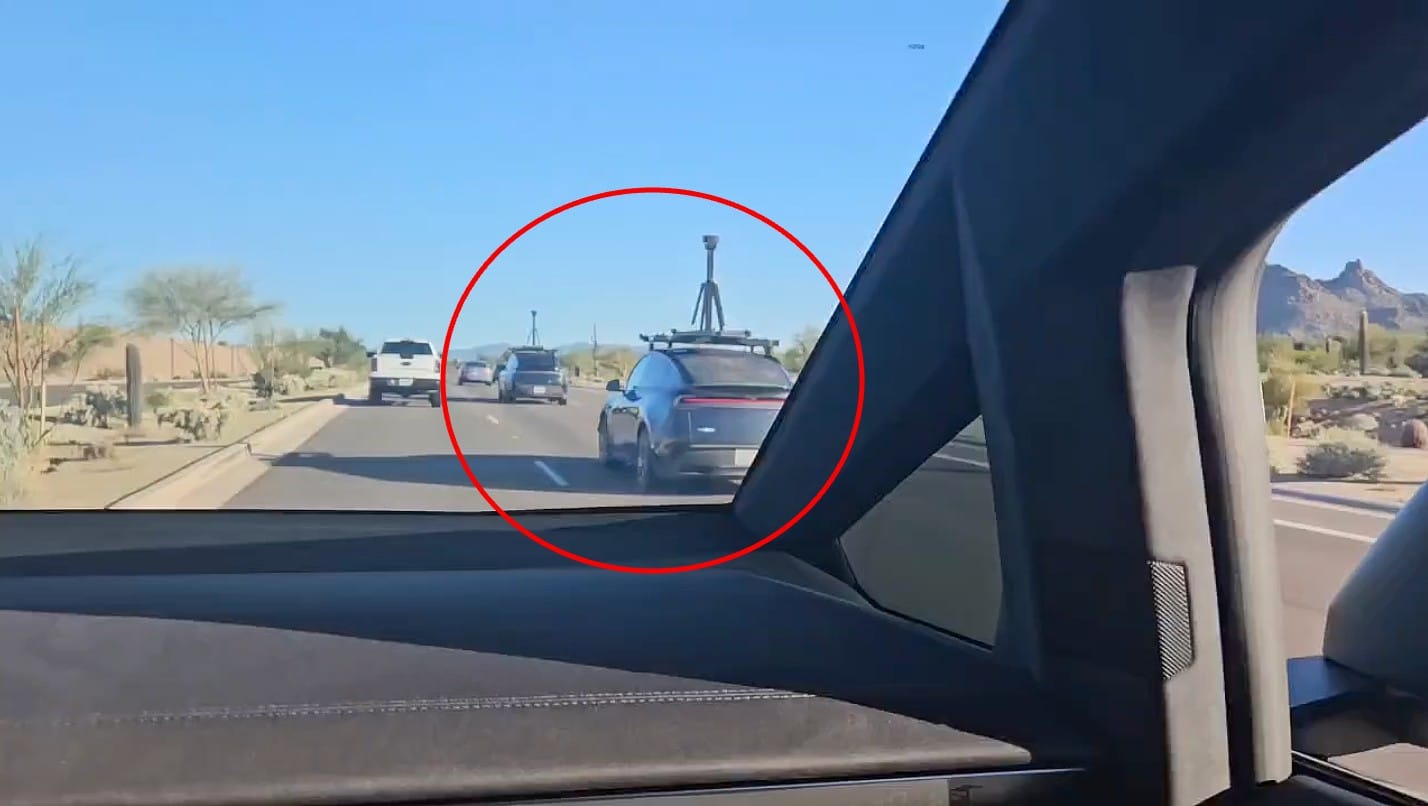
Key Takeaways
- Tesla is ramping up its Robotaxi program and hiring ahead of new state launches.
- Tesla is currently active in Austin, Texas, and the California Bay Area, with plans to expand into Nevada, Florida, and Arizona.
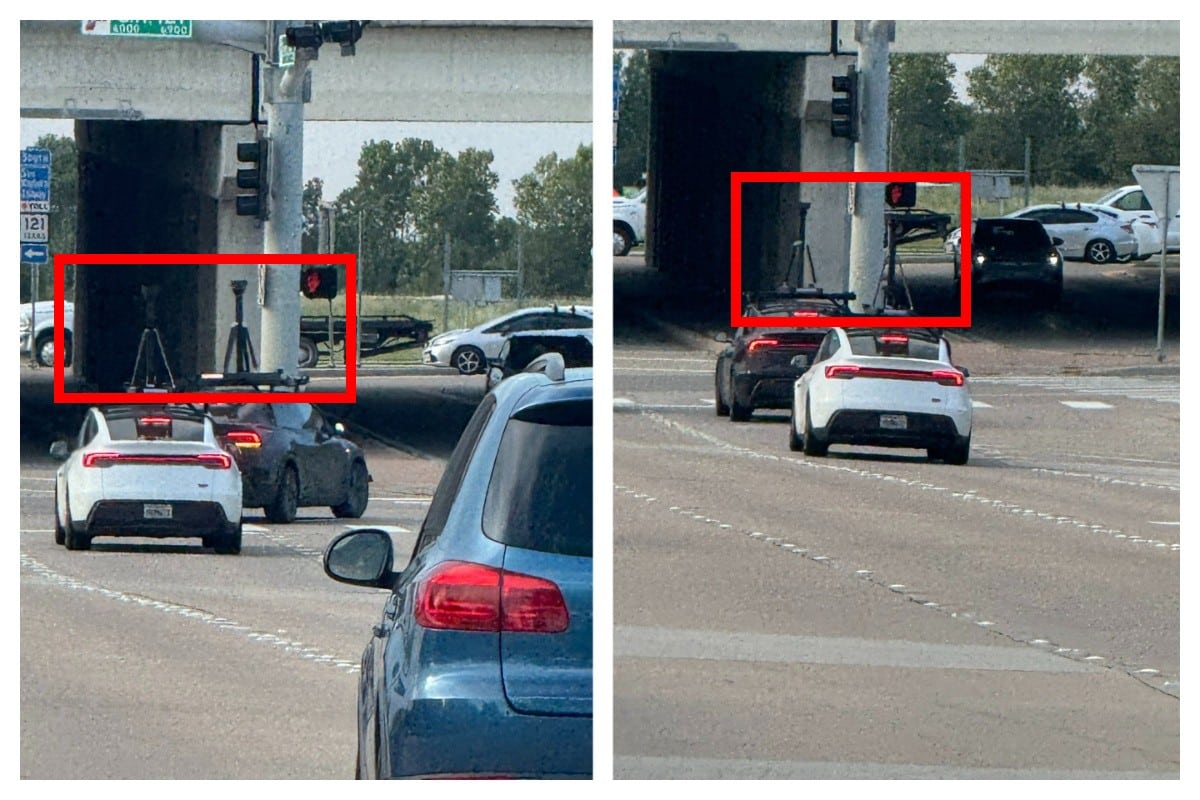
- Two Robotaxi units were recently spotted testing with LiDAR rigs in Gilbert, Arizona, and later in Scottsdale, Arizona, for data validation purposes.
- The data collected may assist in gaining necessary regulatory approvals to operate in those states.
- Tesla prefers using cameras over LiDAR for its autonomous vehicles, which CEO Elon Musk views as a “crutch” for self-driving technology.
As Tesla ramps up its innovative Robotaxi program, anticipation and expectations grow in the autonomous vehicle industry. This blog post delves into Tesla’s ongoing expansion efforts, the technology behind its self-driving cars, and what this means for the future of ride-hailing.
Tesla’s Robotaxi Expansion Strategy
Tesla is aggressively pursuing expansion of its Robotaxi operations, building on its existing services in Austin, Texas, and the California Bay Area. The company plans to launch in Nevada, Florida, and Arizona in the coming months. This bold move signals Tesla’s commitment to leading the autonomous ride-hailing market, leveraging its distinctive technology.
Current and Future Locations
- Currently Active:
- Austin, Texas
- California Bay Area
- Targeted Expansion:
- Nevada: A popular choice due to its progressive regulatory environment.
- Florida: Known for its extensive transportation networks, ripe for autonomous vehicles.
- Arizona: Already a testing ground for Tesla’s Robotaxi units.
The Role of LiDAR in Testing and Validation
Despite Tesla’s known stance against using LiDAR as part of its core self-driving technology, the company is employing it temporarily in its Arizona Robotaxi testing. This usage is particularly for ground truth validation, ensuring robust data collection to support regulatory approvals.
- Testing Locations in Arizona:
- Gilbert
- Scottsdale
LiDAR provides additional data points, ensuring Tesla adheres to and fulfills necessary regulatory frameworks as it transitions towards the desired permission to operate.
Tesla’s Unique Approach to Self-Driving Technology
Elon Musk has long challenged the need for LiDAR in achieving full autonomy. Tesla’s approach focuses predominantly on computer vision—a technology the company refers to as Tesla Vision.
Key Technological Principles:
- Camera-Based Systems:
- Tesla believes that a robust camera-based system, combined with deep neural networks, will suffice for full autonomy.
- Neural Network Training:
- Continuous data ingestion and learning from vast networks of existing Tesla vehicles enhance system reliability and accuracy.
- Software-First Philosophy:
- Prioritizing software development to improve the decision-making capabilities of autonomous systems without relying heavily on additional hardware like LiDAR.
Implications for the Future of Ride-Hailing
Tesla’s Robotaxi expansion efforts could significantly impact the ride-hailing industry. A successful deployment could introduce a new era where self-driving cars dominate ride-sharing, leading to economic shifts, reduced emissions, and changes in urban commuting patterns.
Potential Benefits:
- Cost Efficiency: Lower operational costs compared to traditional chauffeur-driven vehicles.
- Environmental Impact: Reduced emissions with electric autonomous fleets.
- Increased Accessibility: Broader transport options, particularly in underserved areas.
Tesla is forging the path toward a new autonomous future. As it expands its Robotaxi program and refines the technologies within, new horizons in ride-hailing emerge. This shift toward a camera-based, software-centric strategy could redefine transportation norms and lead us further into an era of smart, sustainable mobility.