 Gary Zhou
Key Takeaways
- Tesla Robotaxi reported 3 more crashes, raising the total to 7 incidents in Austin, Texas.
- The crash rate for Tesla’s Robotaxi is approximately double that of Waymo, despite the presence of in-car supervisors.
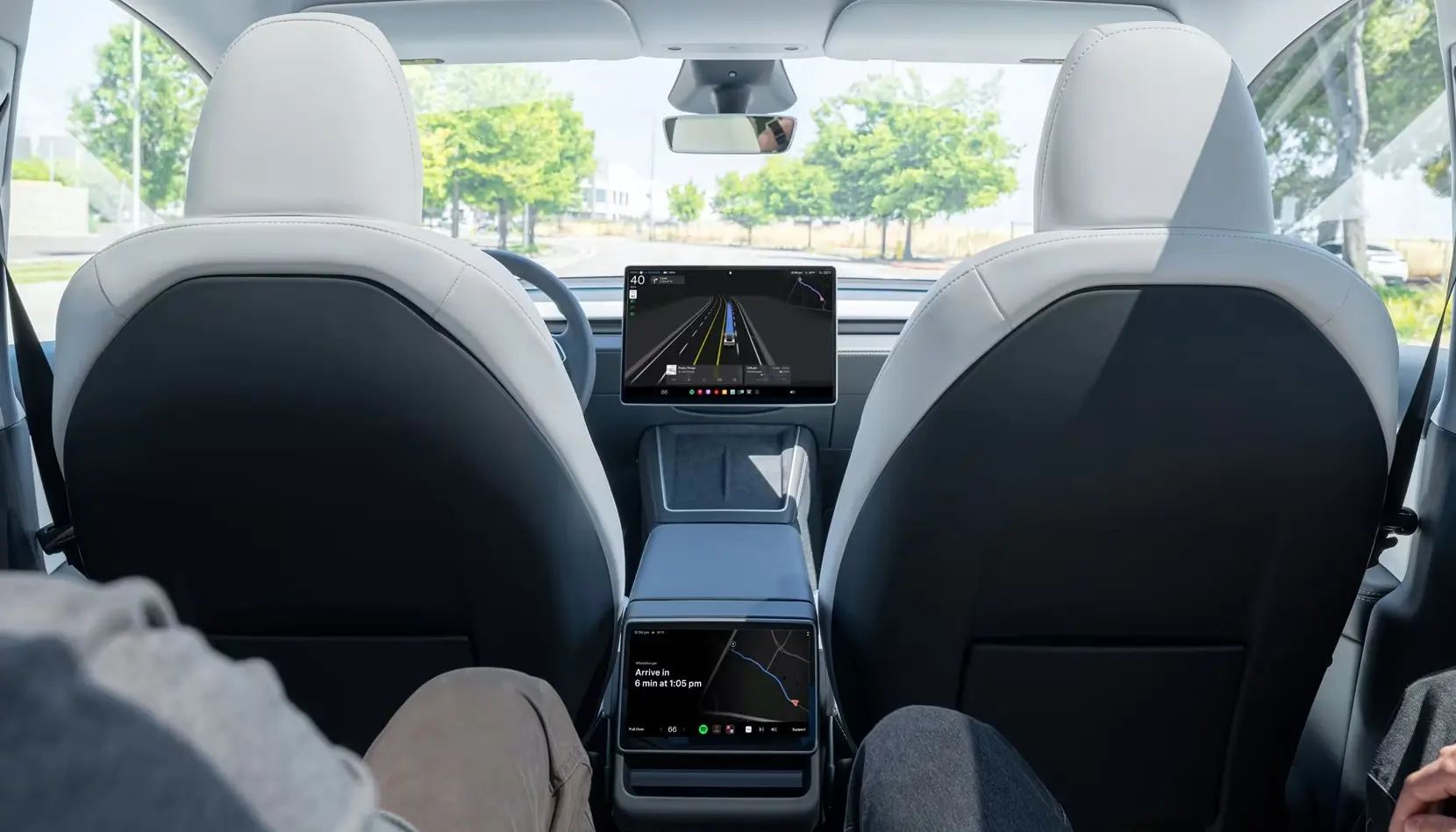
- The Robotaxi service launched with the supervisor seated in the passenger seat to enhance passenger safety.
- Noteworthy incidents include crashes involving a cyclist, an animal, and a car backing up.
- Tesla’s reporting to NHTSA includes redacted details, limiting public knowledge on crash circumstances and responsibilities.
- Concerns have been raised over Tesla’s legal practices and document handling in related crash lawsuits, highlighting a history of discovery abuses.
As technology propels the world forward, the promise of autonomous vehicles has captivated both innovators and consumers. Among the frontrunners in this race is Tesla, whose Robotaxi service is currently grappling with some significant challenges. Recently, the company reported three additional crashes involving its Robotaxis in Austin, Texas, bringing the total number of incidents to seven. This post delves into the implications of these crashes, the comparison with other autonomous services, and the associated legal intricacies.
Unpacking the Crash Reports
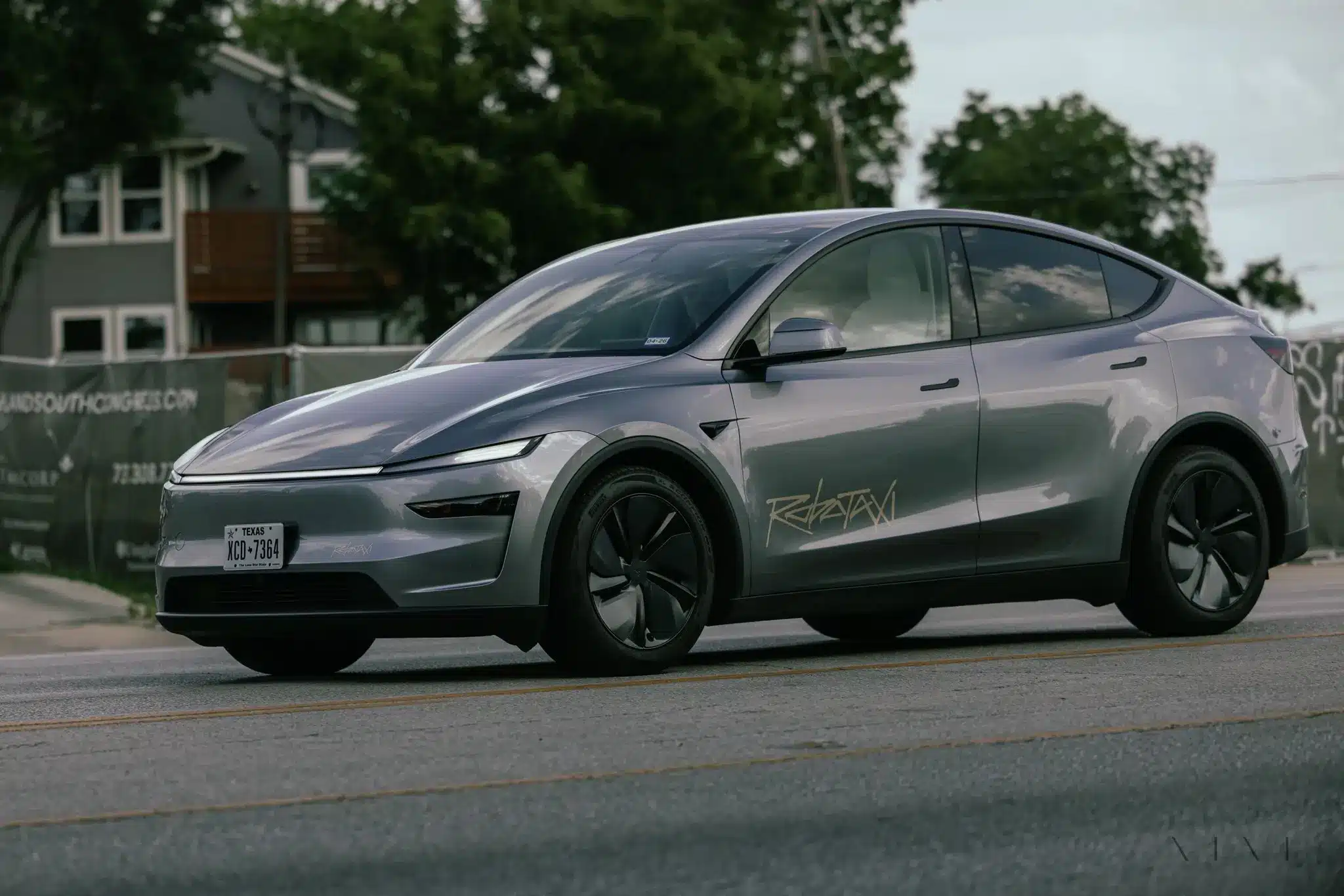
Since the launch of Tesla’s Robotaxi service in Austin, the crash reports have been a source of scrutiny. The incidents are varied, involving a cyclist, an animal, and a passenger car. The presence of in-car supervisors, a unique feature of Tesla’s service aimed at enhancing passenger safety, has not fully mitigated these issues.
Incident Details and Crash Rate
- Incidents Involving Different Scenarios: The variety of the incidents—collisions involving a cyclist, animal, and a backing passenger car—highlights the diverse challenges autonomous vehicles face in real-world environments.
- Comparative Crash Rate: Tesla’s current Robotaxi crash rate is approximately double that of Waymo’s, a noteworthy competitor in the field. Despite having supervisors seated in the passenger seat, Tesla Robotaxis have been relatively more accident-prone.
| Report ID | Incident Date | Incident Time (24:00) | City State | Crash With | Highest Injury | Severity | Alleged SV | Pre-Crash Movement | CP Pre-Crash Movement | Narrative |
| 13781-1178 | 7 SEP-2025 | 13:08 | Austin TX | Animal | No Injured | Reported | Stopped | NM Crossing Roadway | [REDACTED, MAY CONTAIN CONFIDENTIAL BUSINESS INFORMATION] | |
| 13781-1178 | 6 SEP-2025 | 03:43 | Austin TX | Non-Motorist: Cyclist | Property Damage. | No Injured | Reported | Stopped | Moving Alongside Roadway | [REDACTED, MAY CONTAIN CONFIDENTIAL BUSINESS INFORMATION] |
| 13781-1178 | 4 SEP-2025 | 20:42 | Austin TX | Passenger Car | Property Damage. | No Injured | Reported | Proceeding Straight | Backing | [REDACTED, MAY CONTAIN CONFIDENTIAL BUSINESS INFORMATION] |
| 13781-1168 | 7 SEP-2025 | 01:25 | Austin TX | Other Fixed Object | Property Damage. | No Injured | Reported | Making Left Turn | NaN | [REDACTED, MAY CONTAIN CONFIDENTIAL BUSINESS INFORMATION] |
| 13781-1150 | 7 JUL-2025 | 03:45 | Austin TX | SUV | Property Damage. | No Injured | Reported | Stopped | Proceeding Straight | [REDACTED, MAY CONTAIN CONFIDENTIAL BUSINESS INFORMATION] |
| 13781-1145 | 9 JUL-2025 | 12:20 | Austin TX | Other Fixed Object | Minor | W/O Hospit | alization | Other, see Narrative | NaN | [REDACTED, MAY CONTAIN CONFIDENTIAL BUSINESS INFORMATION] |
| 13781-1137 | 5 JUL-2025 | 15:15 | Austin TX | SUV | Property Damage. | No Injured | Reported | Making Right Turn | Making Right Turn | [REDACTED, MAY CONTAIN CONFIDENTIAL BUSINESS INFORMATION] |
Challenges in Transparency and Reporting
A significant area of controversy is Tesla’s approach to reporting these crashes to the National Highway Traffic Safety Administration (NHTSA). The reports contain redacted details, obscuring the narrative around each incident and leaving many questions unanswered regarding the circumstances and responsibilities associated with the crashes.
- Impact of Redaction: The redaction of key information limits public understanding and accountability, which in turn affects Tesla’s reputation in terms of safety and transparency.
Legal Concerns and Document Disclosure
Tesla’s legal handling of crash-related documentation has also come under the microscope. Historical issues around document handling and transparency have raised concerns regarding the company’s legal practices.
- Discovery Abuses: In past legal scenarios, Tesla has been criticized for not disclosing important documents in a timely manner, complicating legal proceedings and potentially affecting outcomes related to autonomous vehicle incidents.
The ongoing incidents with Tesla’s Robotaxi service underscore the complexities of deploying autonomous vehicles in unpredictable environments. While the technology offers remarkable potential for change in transportation, the current challenges highlight areas requiring further refinement and transparency.
The incidents also shine a light on the broader need for stringent ethical and legal frameworks that govern the deployment and operation of autonomous vehicles. This framework would ensure enhanced public safety, clearer responsibility assignment, and increased trust in the technology.