 Gary Zhou
Key Takeaways
- Tesla’s Robotaxi service doesn’t allow tipping, reinforcing a no-gratuity model.
- The new Supercharger Diner also prohibits tipping, with staff being paid a fair wage.
- Longtime Tesla owner @BLKMDL3 highlighted the app’s humorous “Just Kidding” message when trying to tip.
- Tipping has become excessive in the U.S., impacting consumer experiences negatively across various services.
In recent years, tipping has become an almost ubiquitous part of the service industry in the United States. However, Tesla is challenging this norm with its innovative services which steadfastly reject tips, despite common practices that often see employees rely heavily on gratuities. This blog post delves into Tesla’s no-tipping model, the implications for consumers and employees, and the broader context of tipping culture post-pandemic.
The Rise of Tesla’s No-Gratuity Model
Tesla Robotaxi Service
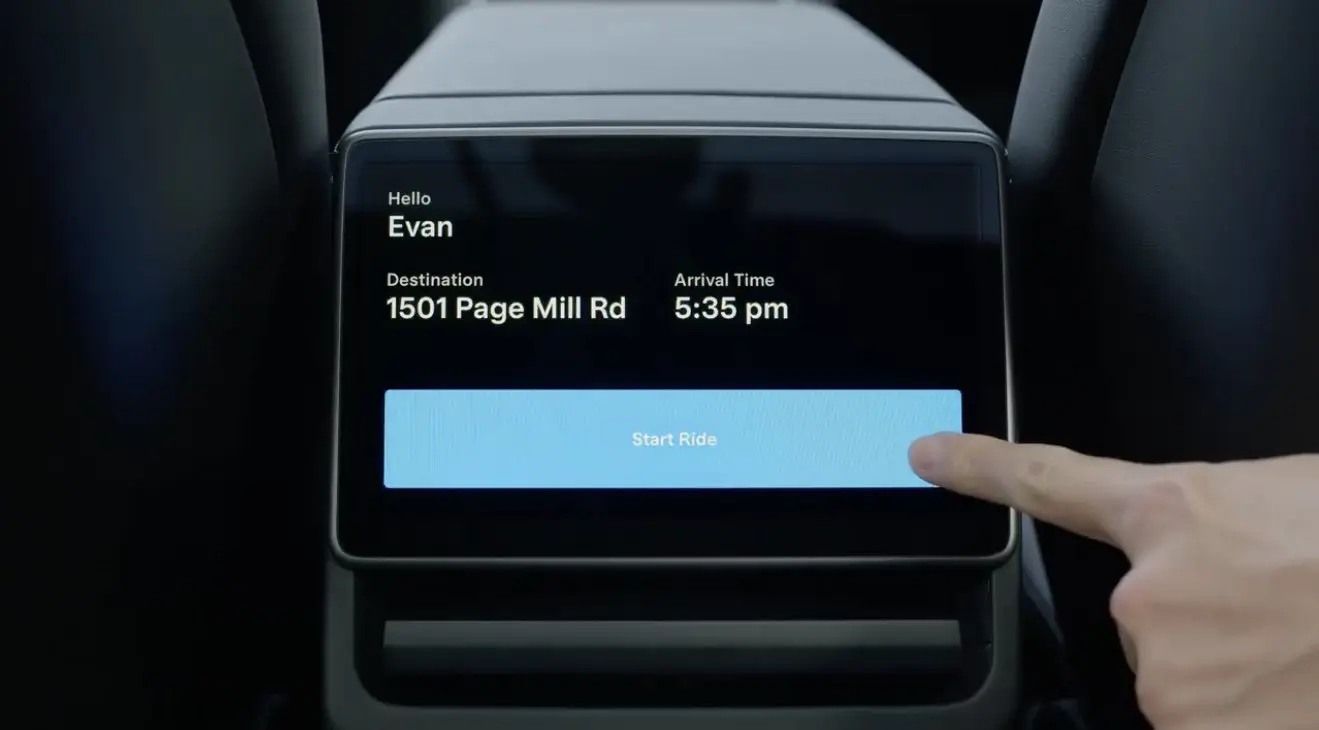
Tesla’s Robotaxi service recently made waves by officially not allowing users to tip. This policy was clearly displayed during the pilot launch in Austin, where users noticed an amusing message on the app—a “Just Kidding” response featuring Tesla’s hedgehog mascot when attempting to leave a tip. This reflects Tesla’s intention to uphold its no-tipping policy, setting it apart from traditional taxi services.
Tesla Supercharger Diner
Similarly, the newly launched Tesla Supercharger Diner has adopted this approach by ensuring its employees receive a living wage, eliminating the need for tips. A notice simply states, “Gratuity: Tesla covers tipping for staff.” By doing so, Tesla strengthens its commitment to fairly compensating employees without relying on customer gratuities.
Implications of Tesla’s No-Tipping Policy
Tesla’s stance raises questions and discussions about the future of gratuity:
- For Consumers:
- Ease and Predictability: Without the burden of deciding on tips, transactions remain straightforward.
- Shift in Experience: Consumers may experience fewer guilt-induced expenditures and transparency in service charges.
- For Employees:
- Stable Income: Receiving a fair wage ensures financial stability without reliance on tips.
- Potential for Job Satisfaction: Employees might enjoy a more consistent and rewarding work environment without the pressure of earning through gratuities.
Understanding the Broader Context
Tipping in the U.S.: A Controversial Norm
Tipping is deeply embedded in American service culture, originally established to compensate workers receiving less than the federal minimum wage. Over time, however, tipping has expanded excessively, with requests cropping up in unexpected situations—from self-checkouts to cinema box offices. Following the pandemic, many consumers now feel tipping culture has spiraled out of control, often leaving them feeling obligated to add gratuities even when not inclined or necessary.
Post-Pandemic Tipping Culture Shift
The practice of tipping amplified during and after the pandemic, contributing to consumer discontent. More people began to scrutinize the gratuity system—leading to calls for reform as digital transactions made tipping requests more prevalent and accessible.
Tesla’s decisive no-tipping policy presents a significant divergence from an entrenched cultural norm, potentially sparking an industry-wide reevaluation of employee compensation and customer interactions. By offering fair wages and eschewing tipping, Tesla not only challenges traditional service models but also paves the way for new discussions on consumer habits and service industry practices.