 Gary Zhou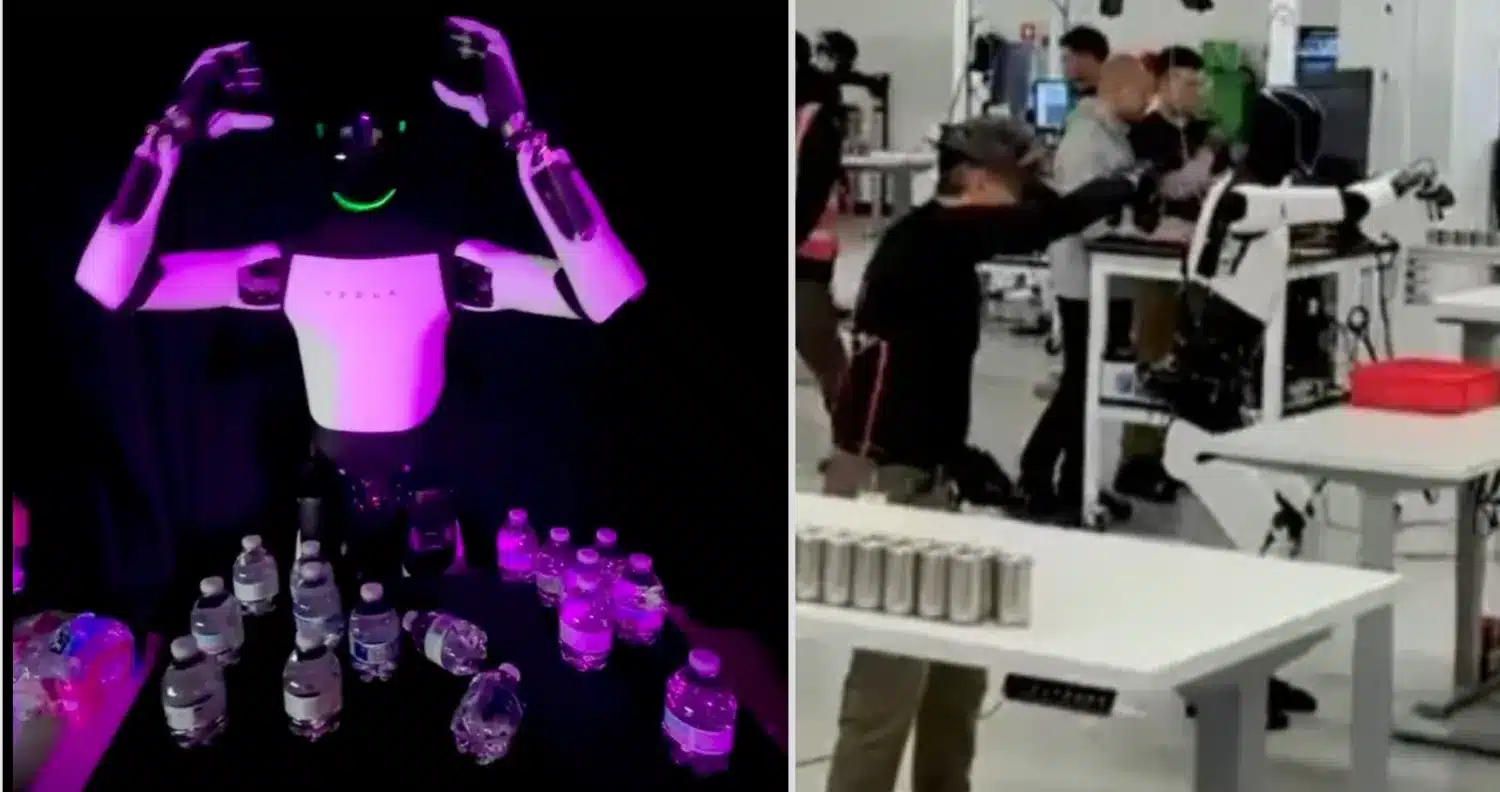
Key Takeaways
- A Tesla Optimus robot fell during a demonstration in Miami, raising concerns about its autonomy.
- The fall included a peculiar hand motion mimicking a VR operator’s actions, suggesting teleoperation was involved.
- Elon Musk claims the Optimus robot could become a trillion-dollar product, highlighting its potential for various tasks.
- There are ethical and technological concerns about the use of humanoid robots, particularly regarding their reliance on human control.
- A comment from a viewer questions whether the projected $20k price tag for Optimus includes the costs for teleoperation equipment.
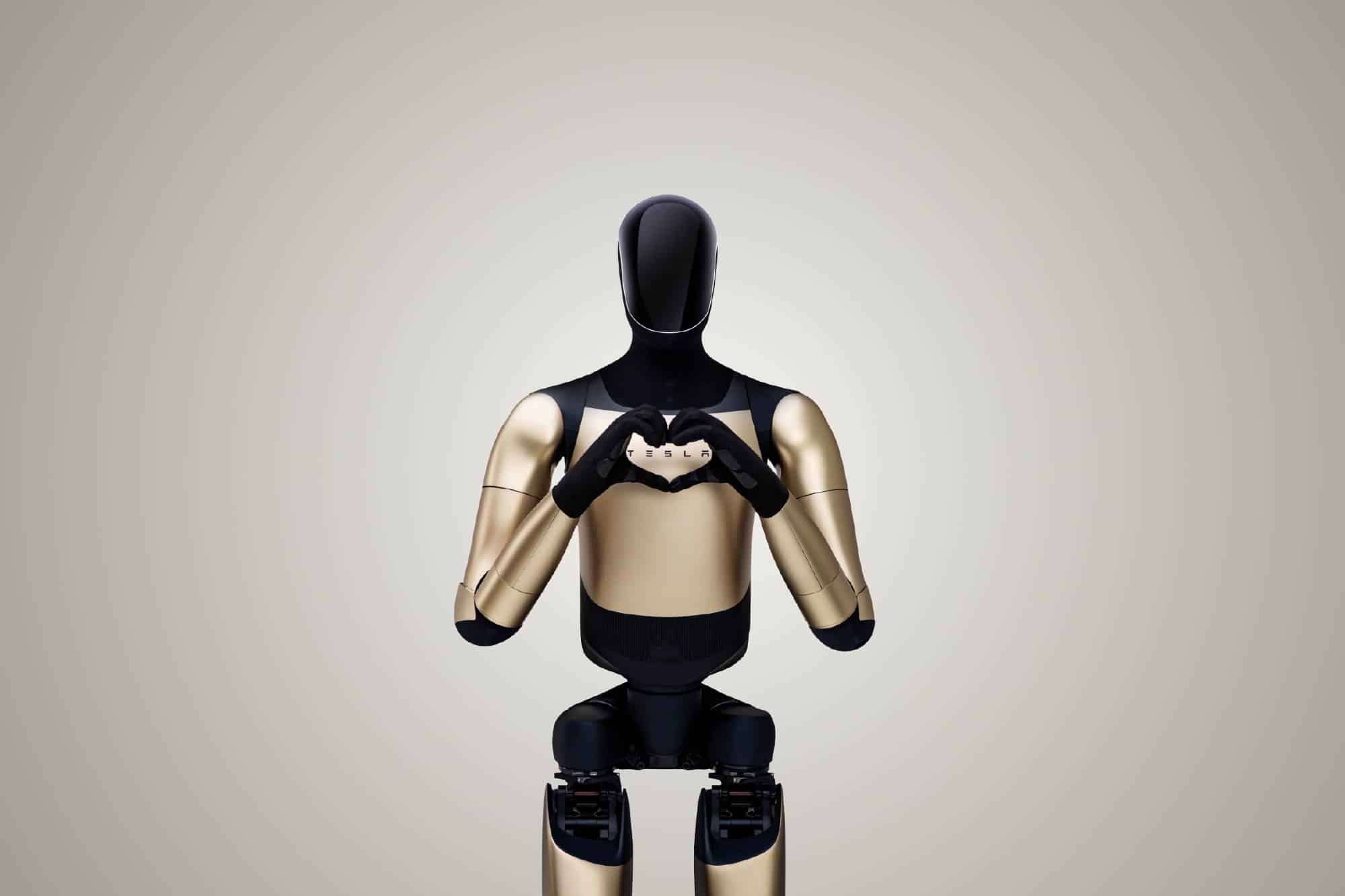
The Tesla Optimus robot took an unexpected tumble during a recent demonstration in Miami, raising eyebrows about its proclaimed autonomy and reliability. While Tesla and its CEO, Elon Musk, have a storied history of integrating cutting-edge technology with ambitious promises, the robot’s fall has sparked discussions on several fronts—ranging from technological feasibility to ethical considerations in humanoid robotics.
The Miami Incident: A Moment of Revelation
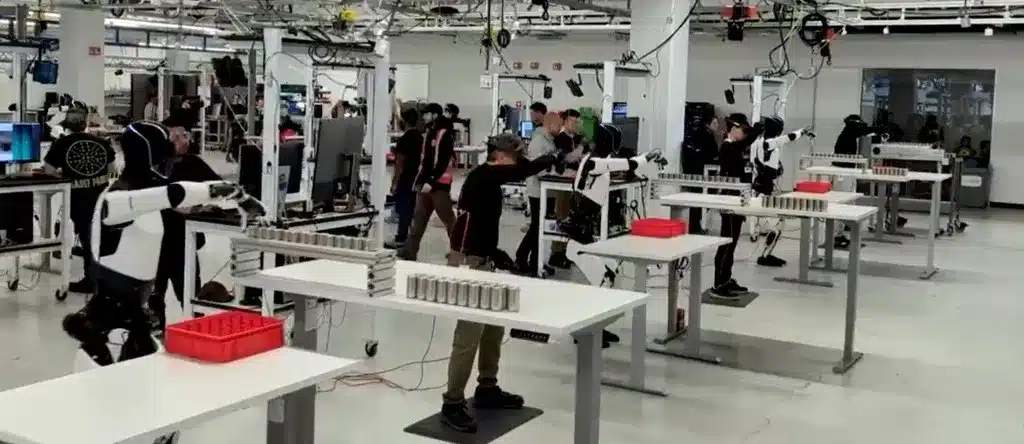
The demonstration was meant to showcase the Tesla Optimus’s capabilities as a pioneering product in humanoid robotics. However, the star of the show became a subject of skepticism when it stumbled. More revealing than the fall itself was the gesture it performed—a movement unmistakably characteristic of someone removing a Virtual Reality (VR) headset. This singular action suggested that the robot was being teleoperated, contradicting the event’s theme of showcasing autonomous technology.
Unpacking the Concerns Around Autonomy
The incident has kindled discussions around the primary concerns regarding the autonomy of Tesla’s Optimus:
- Teleoperation Transparency: The hand gesture mirrored by the robot has pointed out Tesla’s dependence on teleoperation, which poses questions about the autonomy touted by the company. This ambiguity affects consumer trust and investor confidence in the scalability of the product.
- Technological Limitations: Despite advancements, there remains a gap between the software capabilities required for true autonomy and the hardware limitations currently faced by humanoid robots like Optimus.
- Ethical Ramifications: Introducing robots that can perform human-like tasks brings forth ethical considerations, particularly the narrative around replacing human labor with machines. Concerns about job security, data privacy, and the moral implications of AI-driven operations are paramount.
The Billion-Dollar Question: Can Optimus Deliver?
Elon Musk’s vision for the Optimus robot is monumental. He has called it a potential “trillion-dollar product,” suggesting a future where these robots could revolutionize labor across various industries. But, can this vision be realized?
- Utilitarian Potentials: Musk’s vision includes deploying Optimus in environments ranging from manufacturing plants to domestic settings, leveraging AI to seamlessly replace or enhance human labor.
- Economic Viability: At an estimated cost of $20,000 per unit, questions remain about whether this includes the teleoperation setup, suggesting hidden costs that could influence its market adoption.
- Scalability and Integration: For Optimus to become a pervasive tool, it must overcome current technological hurdles, assuring users of its reliability and safety.
Teleoperation: Necessity or Controversy?
While teleoperation remains an essential bridge in the development of fully autonomous systems, its prominence in demonstrations like Tesla’s can undermine the credibility of the brand’s assertions about autonomy. This reliance surfaces important discussions:
- Interim Technology: For now, teleoperation serves as a necessary intermediary step that aids in the refinement of artificial intelligence protocols.
- The Illusion of Autonomy: Events like the Miami demonstration highlight the disconnect between perceived autonomy and reality, which could lead to regulatory scrutiny and competitive disadvantage.
Tesla’s innovative pursuits with the Optimus robot reflect the company’s ethos of breaking boundaries. However, the recent mishap underscores that while the vision for an autonomous future is compelling, the path forward is fraught with technical, ethical, and economic challenges that need to be addressed comprehensively.
The journey towards a robotic future is inextricably linked with transparency and collaboration among tech developers, regulatory bodies, and the public. As Tesla treads this challenging terrain, the world watches with hope and skepticism, eager to see if Musk’s promises will materialize into tangible reality.