 Gary Zhou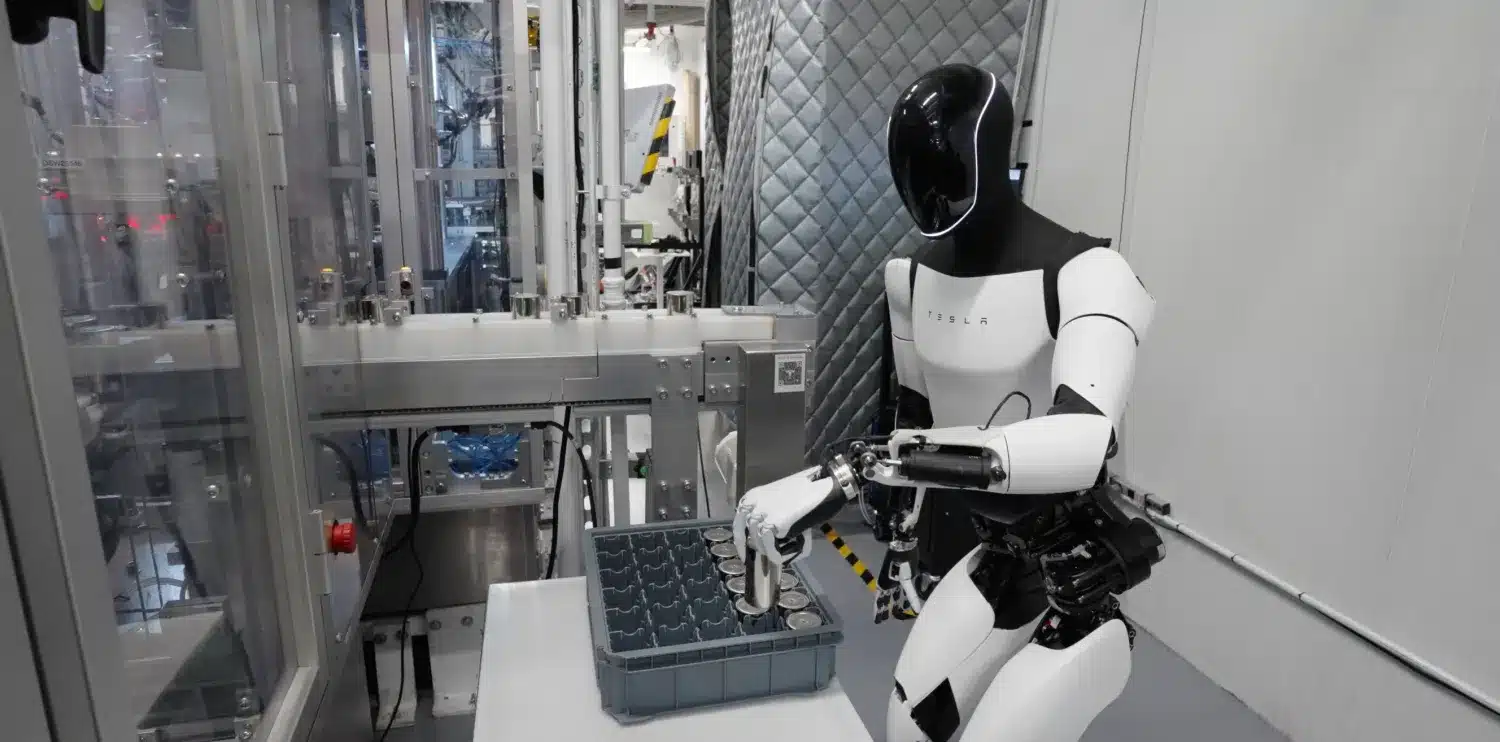
Key Takeaways
- Milan Kovac, head of Tesla’s Optimus robot program, is leaving the company after 9 years for personal reasons.
- CEO Elon Musk has claimed that the Optimus robot could elevate Tesla to a $25 trillion company, a statement skeptically viewed by experts.
- Current estimates suggest the humanoid robot market is only worth low single-digit billions, with significant growth expected over a decade.
- Kovac’s departure marks a continued trend of talent loss at Tesla, raising concerns about the future of the Optimus project.
- Competitors like Unitree and Figure are making notable advancements in humanoid robot technology, intensifying market competition.
- Public skepticism surrounds Musk’s ambitious revenue claims for the Optimus robots, as practical sales figures raise questions.
Tesla, the trailblazer in electric vehicles and renewable energy, is once again making headlines – this time for its bold foray into the world of humanoid robots. At the center of this technological innovation is the Optimus robot, a project recently shrouded in uncertainty following the departure of Milan Kovac, head of the program. With Tesla’s CEO Elon Musk touting this technological marvel as a game changer for the company, this article delves into the implications, market realities, and growing competition in the humanoid robot space.
Tesla’s Vision for the Optimus Robot
Elon Musk, never one to shy away from ambitious proclamations, has claimed that Tesla’s Optimus robot could lead the company to unprecedented financial heights. According to Musk, the robot could transform Tesla into a $25 trillion company. Such bold declarations have sparked widespread skepticism, not least because the current humanoid robot market is valued in the low single-digit billions.
The Market Landscape
- Current Market Value: Experts estimate the humanoid robot market to be worth only a few billion dollars, a far cry from Musk’s trillion-dollar dreams.
- Projected Growth: Despite its modest size, the market is on a growth trajectory, with projections ranging from $15 billion to $80 billion over the next decade. The potential for growth is significant, but it needs to align with the ambitious revenue targets set by Tesla.
Milan Kovac’s Departure: A Talent Exodus?
Milan Kovac, a pivotal figure in Tesla’s Optimus project, announced his departure after nearly a decade with the company. His exit raises questions about the stability and future direction of the project.
- Personal Reasons: Kovac cited personal reasons for his decision, emphasizing his need to be closer to family.
- Talent Drain: Tesla has witnessed a noticeable departure of key talent in recent years, casting doubts on the company’s capacity to maintain its competitive edge in the rapidly evolving tech landscape.
The Rise of Competitors
As Tesla navigates its internal challenges, external competition is intensifying. Other companies are gaining ground in humanoid robotics, posing a potential threat to Tesla’s leadership ambitions.
- Unitree and Figure: Companies like Unitree and Figure have made noteworthy advancements. Unitree has already launched a humanoid robot commercially, and Figure is making substantial progress in the U.S.
- Market Competition: The competition is heating up, with numerous players in the field striving to secure their share of the burgeoning market. Tesla will need to leverage its innovation capabilities and resources to maintain a leading position.
Public Skepticism: A Reality Check
The optimism surrounding Tesla’s Optimus robot is not universally shared. Public and expert skepticism highlight the challenges in translating Musk’s grand vision into tangible outcomes.
- Revenue Projections: Musk’s claims about the Optimus robot’s revenue-generating potential are met with skepticism. The notion of Tesla achieving $10 trillion in revenue annually through this product alone is seen as unrealistic by many industry observers.
- Sales Figures Debate: Practical discussions center around the feasibility of selling robots at the scale required to meet such financial targets, emphasizing the current disconnect between projected and achievable outcomes.
Tesla’s Optimus robot project embodies the company’s pioneering spirit and ambition to redefine industries. Yet, achieving Elon Musk’s ambitious targets amidst internal challenges, public skepticism, and rising competition presents a formidable journey. The next few years will be crucial in determining whether Tesla can navigate these turbulent waters and realize its vision for the future of humanoid robotics.