 Gary Zhou
Key Takeaways
- Tesla expanded its Robotaxi geofence in Austin, matching Waymo’s coverage area.
- Elon Musk used humor, announcing the geofence’s shape resembles a phallus.
- The Robotaxi service maintains a flat rate of $4.20 per ride despite the expansion.
- Musk hinted at launching the Robotaxi service in the Bay Area within a couple of months.
- The expansion, which critics initially viewed as limited, has become a humorous topic among fans.
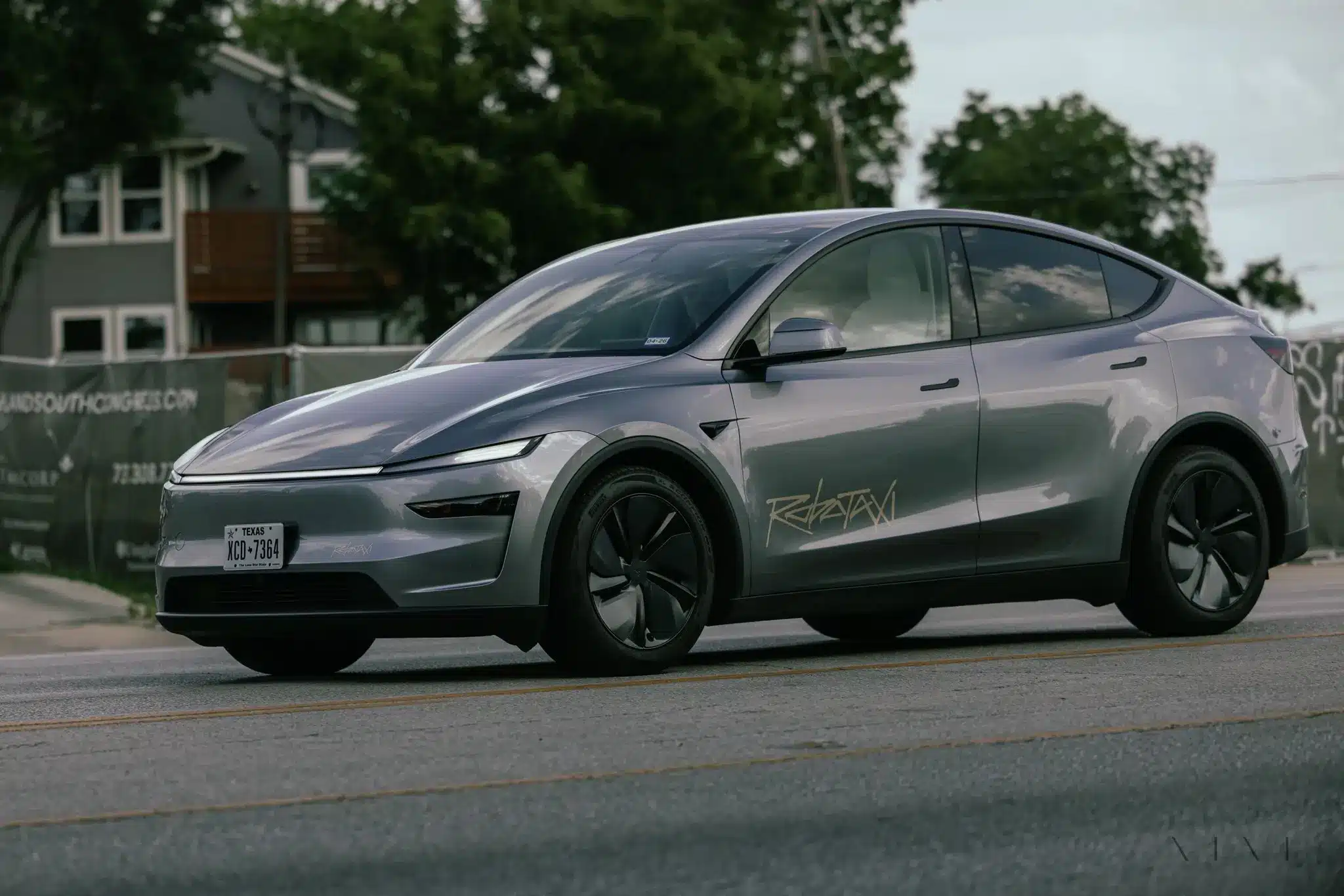
In the dynamic world of autonomous vehicles, innovation often comes with a touch of humor, especially when Elon Musk is involved. Tesla’s latest expansion of its Robotaxi geofence in Austin, Texas, is a prime example of this blend of technological advancement and Musk’s penchant for playful antics. With this expansion, Tesla is not only increasing its operational footprint but also setting the stage for future growth in other regions like the Bay Area. Let’s delve into the details of this expansion, the humor behind it, and what it means for the autonomous vehicle industry.
The Expansion: A Step Towards Competitiveness
Tesla’s decision to broaden its Robotaxi geofence in Austin is a strategic move aimed at matching its competitor, Waymo. Before this expansion, Tesla’s operational area was notably smaller, drawing criticism from industry watchers. Now, with the geofence enlargement, Tesla stands toe-to-toe with Waymo’s service area, asserting its position in the autonomous vehicle market.
Elon Musk’s Humor Strikes Again
In true Elon Musk style, the expanded geofence has been designed to resemble a phallus, injecting humor into what could have been a straightforward business move. This playful design choice, suggested as a joke by TSLA retail investor Steve Mark Ryan, adds a layer of personality to the expansion. Musk himself participated in the jest, tweeting descriptions of the service’s area as “bigger, longer, and uncut” on X, while the official Robotaxi account described it as “harder, better, faster, stronger.”
Flat Pricing: A Competitive Edge
Even with a larger service area, Tesla has chosen to maintain a flat rate of $4.20 per ride for its Robotaxi service. This competitive pricing could potentially attract more users, offering them an affordable entry into the autonomous ridesharing market. By keeping costs low, Tesla is not only appealing to budget-conscious riders but also emphasizing the efficiency of their platform and technology.
Looking Ahead: Expansion to the Bay Area
Elon Musk has hinted at broader horizons with plans to launch Tesla’s Robotaxi service in the Bay Area in the near future, likely within a couple of months. This potential expansion underscores Tesla’s ambition to dominate the autonomous vehicle landscape, extending its reach from Texas to California. Such geographic diversification may further strengthen Tesla’s market presence and provide more data to refine its autonomous technology.
Learning Points and Speculation
- Innovation and Humor: Tesla’s unique approach to business, combining innovation with humor, keeps the brand in the public eye and maintains its reputation for breaking norms.
- Competitive Strategy: By matching Waymo’s service area and maintaining low fares, Tesla is strategically positioning itself to compete vigorously in the growing autonomous vehicle market.
- Future Prospects: The impending launch of the Robotaxi service in the Bay Area signals Tesla’s commitment to expansion, promising new opportunities and challenges.