 Gary Zhou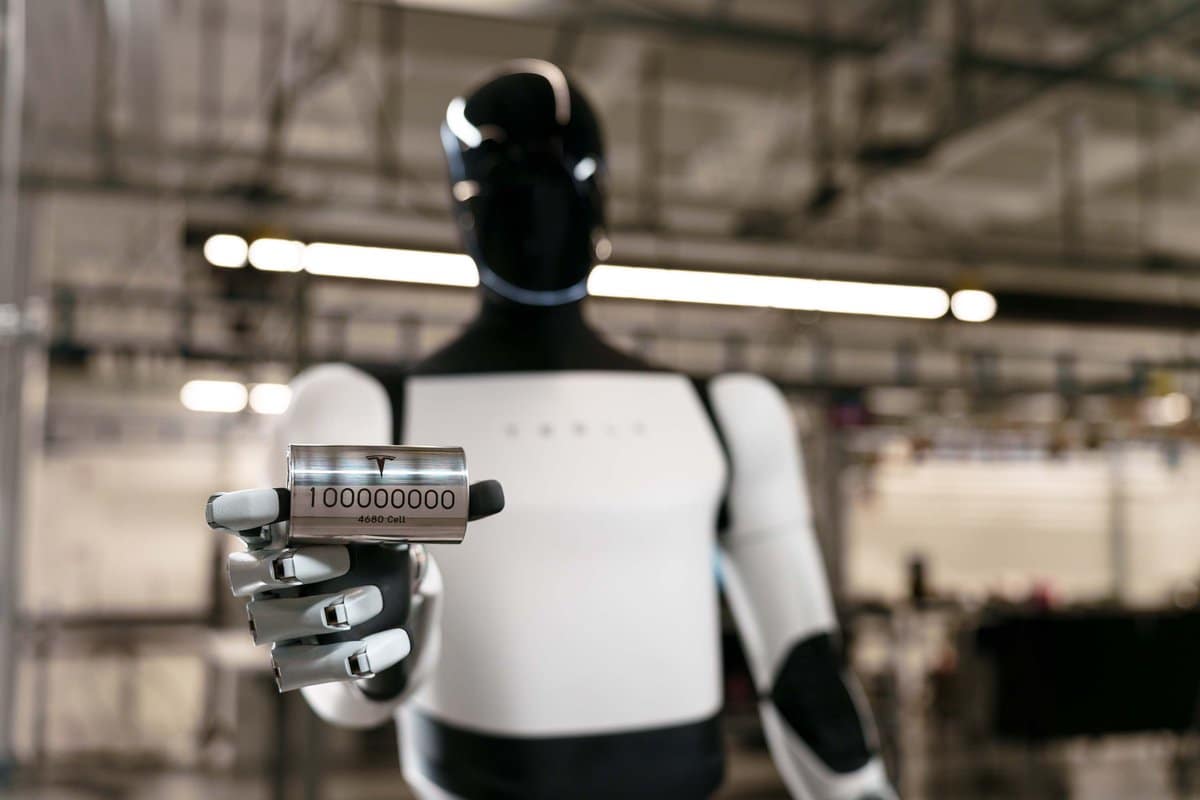
Key Takeaways
- Tesla achieved a breakthrough by producing 4680 cells with both anode and cathode via dry-electrode process at scale in Austin.
- Elon Musk praised the Tesla engineering, production, supply chain teams, and suppliers for overcoming the “incredibly difficult” challenge.
- Tesla’s official X post highlighted dry-electrode benefits: cuts cost, energy use, factory complexity, and boosts scalability.
- VP Bonne Eggleston stated that scaling dry-electrode tech is “just the beginning.”
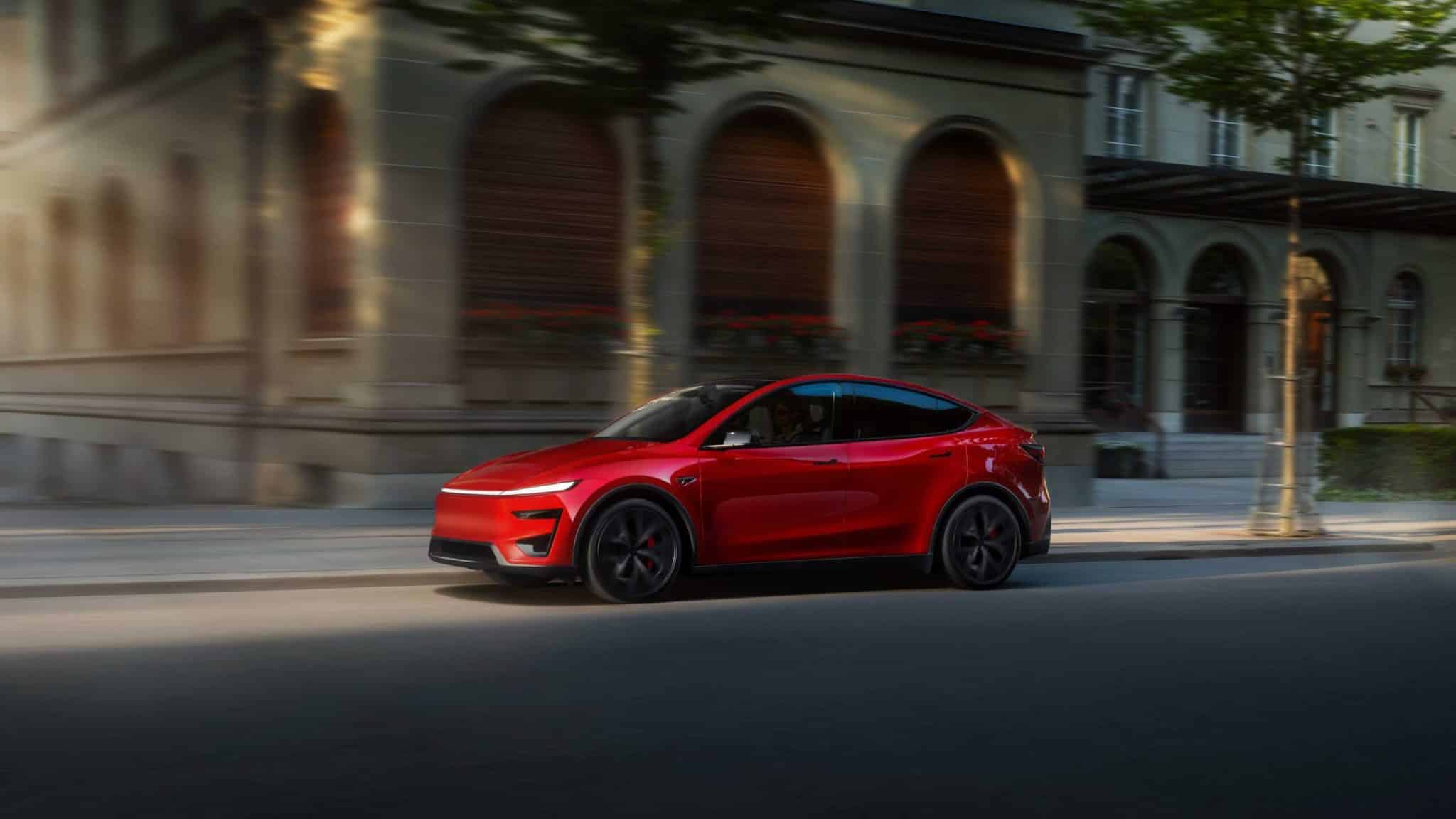
- Tesla began producing Model Y vehicles with 4680 battery packs to mitigate supply chain risks from trade barriers and tariffs.
- Dry-electrode concept introduced at Battery Day 2020 to eliminate solvents, shrink factories, and reduce capital expenditures.
As a seasoned EV enthusiast and tech blogger who’s been tracking Tesla’s battery innovations since the early days of the Model S, I can confidently say this is one of the biggest stories in electric vehicles right now. On February 2, 2026, Elon Musk took to X (formerly Twitter) to celebrate a hard-fought victory: Tesla has finally scaled the dry electrode process for its revolutionary 4680 battery cells. ❶ This isn’t just incremental progress—it’s a paradigm shift that promises cheaper, more efficient batteries at massive scale. In Tesla’s Q4 and FY 2025 shareholder update, the company confirmed it’s producing 4680 cells in Austin with both anode and cathode made via this dry process. ❷ And to top it off, Model Y vehicles are now rolling out with these packs. Let’s dive deep into what this means, why it took so long, and how it positions Tesla to dominate the EV wars.
The Genesis of the 4680: A Bold Vision from Battery Day 2020
Rewind to September 2020—Tesla’s Battery Day event was a watershed moment. Elon Musk unveiled the 4680 cell (46mm diameter, 80mm height), a tabless cylindrical powerhouse designed to slash costs and boost performance over the previous 2170 cells. ❸ The promises were audacious:
- 5x energy capacity per cell
- 6x power output
- 16% higher range for the same pack size
- Cost reduction to under $100/kWh through innovative manufacturing
But the real magic was the dry electrode process, acquired via Tesla’s buyout of Maxwell Technologies. Traditional “wet” electrode production mixes active materials with solvents, coats them onto foil, and bakes them in massive ovens to evaporate the solvents. This is energy-hungry, space-intensive, and slow—hallmarks of why batteries remain EVs’ biggest cost driver.
Tesla’s dry process? It skips solvents entirely. Powders are mixed with special binders (like PTFE composites), electrostatically sprayed or fibrillated onto current collectors, and calendered into thin sheets—all at room temperature. ❹ ❺ No drying ovens means:
- Smaller factories (up to 70% less footprint)
- Lower capex (half the investment)
- Faster production lines
- Reduced energy use by 50-70%
Yet, the cathode proved “far more difficult to industrialize” than the anode. After years of pilot lines in Fremont and delays at Giga Texas, Tesla cracked it. ❸
Elon Musk’s Rare Praise: “Incredibly Difficult” Achievement
Elon doesn’t hand out compliments lightly. His X post on February 2nd said it all:
“Making the dry electrode process work at scale, which is a major breakthrough in lithium battery production technology, was incredibly difficult. Congratulations to the @Tesla engineering, production and supply chain teams and our strategic partner suppliers for this excellent achievement!” ❶
Tesla’s official account echoed this, emphasizing the wins: cuts cost, energy use & factory complexity while dramatically increasing scalability. ❻ VP of 4680 Batteries Bonne Eggleston (a battery tech veteran with roots at UNSW and prior roles in solar) added fuel to the fire: “Getting dry electrode technology to scale is just the beginning.” ❸
This isn’t hype. Tesla’s Q4 update confirms full dry-electrode 4680 production in Austin, with domestic cathode materials ramping in Texas and LFP lines in Nevada slated for 2026. ❷
Why Dry Electrode is a Game-Changer: Breaking Down the Benefits
Let’s quantify this breakthrough:
- Cost Savings: Fewer materials (no solvents), less equipment, and higher throughput could drop cell costs by 20-30%. Pack-level innovations like structural batteries further amplify this—4680 packs use ~40% fewer cells than 2170 equivalents for the same energy. ❼
- Energy Density & Performance: Tabless design reduces internal resistance, enabling 6x peak power. For Model Y, expect faster acceleration, quicker charging, and potentially 10-16% more range. ❽
- Scalability: Dry lines can run faster without solvent evaporation bottlenecks. Tesla’s now “unlocking an additional vector of supply,” per the update. ❻
- Sustainability: Halves energy use in manufacturing and shrinks factory footprints, aligning with Tesla’s net-zero goals.
| Metric | Wet Electrode (2170) | Dry Electrode (4680) |
|---|---|---|
| Factory Size | Large (ovens dominate) | 50-70% smaller |
| Energy Use | High (drying) | 50%+ lower |
| Capex | $200M+ per GWh | <$100M per GWh |
| Throughput | Slower | Dramatically higher |
| Cost/kWh | ~$120+ | Targeting <$100 |
Source: Tesla Battery Day & recent updates ❸
Model Y Revival: 4680 Packs Return for Strategic Reasons
Texas-built Model Ys with 4680s first appeared in 2022 but were limited. Now, they’re back—explicitly as a “safety layer against trade barriers and tariff risks.” ❾ With geopolitical tensions rising (think US-China tariffs on batteries), in-house production insulates Tesla from supply shocks.
Early Model Y 4680 Benefits:
- Range: Up to 320+ miles EPA (vs. 310 with 2170)
- Charge Speed: Structural packs enable 250kW peaks
- Efficiency: Lighter weight, better thermal management
- Cost: Long-term, cheaper ownership via lower $/mile ❾
Owners report “next-level” performance, per Musk in past comments. ❿
Industry Implications: Tesla Pulls Ahead, Again
This scales Tesla’s vertical integration. While competitors like Panasonic and LG grind on wet processes, Tesla’s dry tech gives a moat. Expect:
- Cheaper EVs: Sub-$30k models viable by 2027?
- Cybertruck Ramp: 4680s are perfect for high-power trucks.
- Megapack Boom: Energy storage loves cost cuts.
- Competition Response: BYD, CATL eyeing dry tech, but Tesla’s first-mover scale wins.
My Take: Skeptics called 4680 vaporware after delays, but persistence pays. This de-risks Tesla’s 20M vehicles/year goal. Advice for investors: Buy dips—batteries are the flywheel. For buyers: Hunt Texas Model Ys for early 4680 access.
Looking Ahead: Just the Beginning?
Eggleston’s words ring true. Next: Gen 2 4680 refinements, silicon anodes, maybe dry-coated LFP? With FSD v13 and Robotaxi looming, batteries are Tesla’s secret sauce. ⓫
In conclusion, Tesla’s dry electrode triumph isn’t just engineering porn—it’s the unlock for mass EV adoption. Stay tuned; the best is yet to come.