 Gary Zhou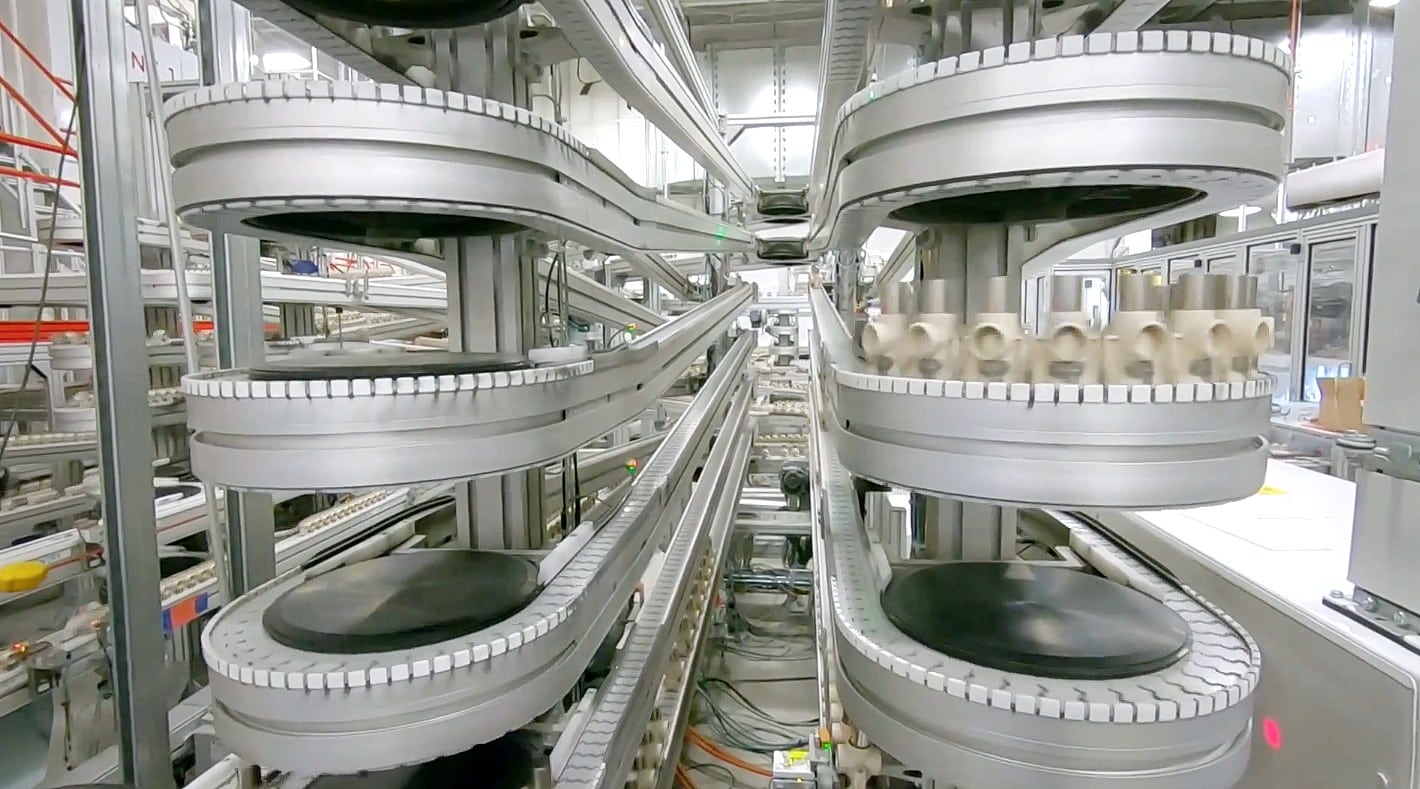
Key Takeaways
- U.S. Department of the Interior confirms Tesla as key stakeholder in LG Energy Solution’s $4.3B battery supply deal.
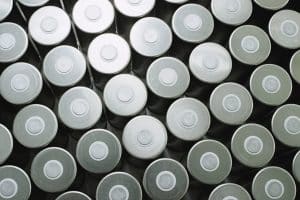
- Partnership expands to build LFP prismatic cell factory in Lansing, Michigan, with production starting in 2027 for Tesla’s Megapack 3 in Houston.
- Quote from press release: “American-made cells will power Tesla’s Megapack 3… creating a robust domestic battery supply chain.”
- LGES fully owns Lansing plant (ex-Ultium Cells 3, acquired GM stake in May 2025), capacity 50 GWh/year; contract extendable up to 7 years with volume options.
- Tesla shifts from China’s CATL due to tariffs and energy growth needs, securing tariff-free U.S. supply.
- Deal proves domestic LFP manufacturing viability, outpacing rivals like Samsung SDI and SK On.
- Benefits include resilient supply chain, stable Megapack availability, lower energy storage prices, deliveries 2027–mid-2030.
In a groundbreaking announcement today, the U.S. Department of the Interior has officially confirmed Tesla as the key stakeholder in LG Energy Solution’s (LGES) massive $4.3 billion battery supply agreement. ❶ ❷ This deal not only solidifies Tesla’s push towards domestic manufacturing but also marks a pivotal shift in the global energy storage landscape, with production kicking off in 2027 at LGES’s Lansing, Michigan facility. As a seasoned blogger specializing in electric vehicles, battery technology, and renewable energy infrastructure, I’ve been tracking Tesla’s supply chain evolution for years. This partnership is more than just a procurement contract—it’s a strategic masterstroke that could reshape U.S. energy independence, lower costs for grid-scale storage, and give Tesla a competitive edge over rivals scrambling to catch up.
The Backstory: From Mystery Buyer to Confirmed Powerhouse Partnership
LG Energy Solution first teased this blockbuster deal back in July 2025, disclosing a 5.94 trillion won ($4.3 billion) contract for lithium-iron-phosphate (LFP) batteries spanning three years from August 2027 to July 2030—without naming the customer. ❸ ❹ Speculation ran rampant in the industry, with Tesla quickly emerging as the frontrunner due to its voracious appetite for LFP cells in energy storage. Fast-forward to today, March 17, 2026: The U.S. government has pulled back the curtain during the Indo-Pacific Energy Security Summit, highlighting the deal as part of $56 billion in investments. ❺
The official quote from the Department of the Interior press release says it all: “American-made cells will power Tesla’s Megapack 3 energy storage systems produced in Houston, creating a robust domestic battery supply chain.” ❻ This isn’t hype—it’s a tangible step towards tariff-free, resilient supply amid escalating U.S.-China trade tensions.
Why Now? Tesla’s Strategic Pivot from China
Tesla has long relied on China’s CATL for LFP cells, the chemistry of choice for its Megapack due to its safety, longevity, and cost-effectiveness over nickel-based alternatives. However, skyrocketing tariffs on Chinese imports—now exceeding 100% in some cases—have forced a rethink. ❼ Add to that explosive demand for energy storage driven by AI data centers, renewable integration, and grid modernization, and Tesla needed a U.S.-sourced solution yesterday.
This LGES deal is extendable up to seven years with volume options, ensuring deliveries through the mid-2030s. ❸ It’s a hedge against supply disruptions, much like how Tesla diversified its automotive cells post-2022 shortages. In my view, Elon Musk’s team deserves credit for locking this in early—Musk himself has hinted at domestic LFP production ramping this year, aligning perfectly with Houston’s Megafactory timeline. ❽
Spotlight on the Lansing Plant: From Ultium JV to LFP Powerhouse
At the heart of this deal is LGES’s Lansing, Michigan facility—formerly Ultium Cells 3, a joint venture with General Motors. Announced in 2022 with a $2.6 billion investment, the 2.8 million-square-foot plant was slated for 50 GWh annual capacity. ❾ But GM’s EV slowdown led to a dramatic pivot: In December 2024, GM agreed to sell its stake, closing the deal in May 2025 for around $2 billion, giving LGES full ownership. ❿ ⓫
Now retooling for LFP prismatic cells—a high-density format ideal for Megapack 3’s 5 MWh modules—this plant will churn out tariff-free batteries starting 2027. ⓬ Here’s a quick breakdown:
| Key Plant Specs | Details |
|---|---|
| Location | Lansing, Michigan (Delta Township) |
| Ownership | 100% LG Energy Solution (post-GM acquisition May 2025) |
| Capacity | 50 GWh/year at full production |
| Cell Type | LFP Prismatic (for Tesla Megapack 3) |
| Timeline | Production launch: 2027; Deliveries: Aug 2027–Jul 2030 (extendable) |
| Original JV Investment | $2.6B (GM + LGES) |
This repurposing proves the flexibility of U.S. battery infrastructure. Despite early stalls due to EV market softness, Lansing is now poised to outpace competitors like Samsung SDI and SK On in domestic LFP scaling. ❷
Tesla Megapack 3: The Next-Gen Beast Fueled by U.S. Cells
Tesla’s Houston Megafactory, groundbreaking in late 2025, is the assembly hub for Megapack 3—a redesigned unit boasting higher energy density via larger 2.8-liter LFP cells. ⓭ ⓮ With 50 GWh annual capacity planned, it syncs perfectly with Lansing’s output.
Megapack 3 Highlights:
- Energy Capacity: 5 MWh usable per unit (up from predecessors)
- Power Output: Optimized for 4-hour discharge, ideal for renewables and peak shaving
- Efficiency Gains: Simplified thermal management, co-developed cells
- Deployment Timeline: Ramp-up 2027, supporting projects like Gambit Energy Park in Texas
This American supply chain means stable availability, dodging import delays that plagued 2024-2025 deployments.
Broader Implications: Resilient Chains, Lower Prices, and U.S. Leadership
- Supply Chain Resilience: No more China bottlenecks. Tesla’s vertical integration—now extending to cells—mirrors Apple’s chip strategy, reducing geopolitical risks.
- Cost Reductions: Domestic LFP could slash Megapack prices by 20-30% long-term via scale and subsidies (IRA tax credits). Expect energy storage at <$100/kWh by 2030.
- Job Creation & Economy: Lansing adds thousands of high-tech jobs; Houston’s factory follows suit. This is “Made in America” at its finest. ❺
- Competitive Edge: Rivals like Fluence or NextEra lag in LFP scaling. Tesla’s early mover status could capture 50%+ U.S. market share.
My Opinion: This deal validates Tesla’s energy business as its growth engine—deployments hit 31 GWh in 2025, with Megapack revenue surging. It’s a bullish signal for TSLA stock; analysts may revise targets upward.
Advice for Investors, Utilities, and EV Enthusiasts
- Investors: Buy the dip on battery suppliers like LGES (but watch EV cyclicality). Tesla’s energy segment could eclipse autos by 2028.
- Utilities/Grid Operators: Lock in Megapack PPAs now—stable pricing incoming. Pair with solar/wind for net-zero goals.
- EV Fans: This trickles to vehicles; cheaper LFP means affordable Model 3/Y refreshes.
Looking Ahead: A Greener, More Secure Grid
As production ramps in 2027, watch for Megapack 3 pilots in Texas and California. This LGES-Tesla alliance isn’t just business—it’s foundational for U.S. energy dominance. Stay tuned; I’ll update as deployments roll out.
What do you think—game-changer or just hype? Drop a comment below!