 Gary Zhou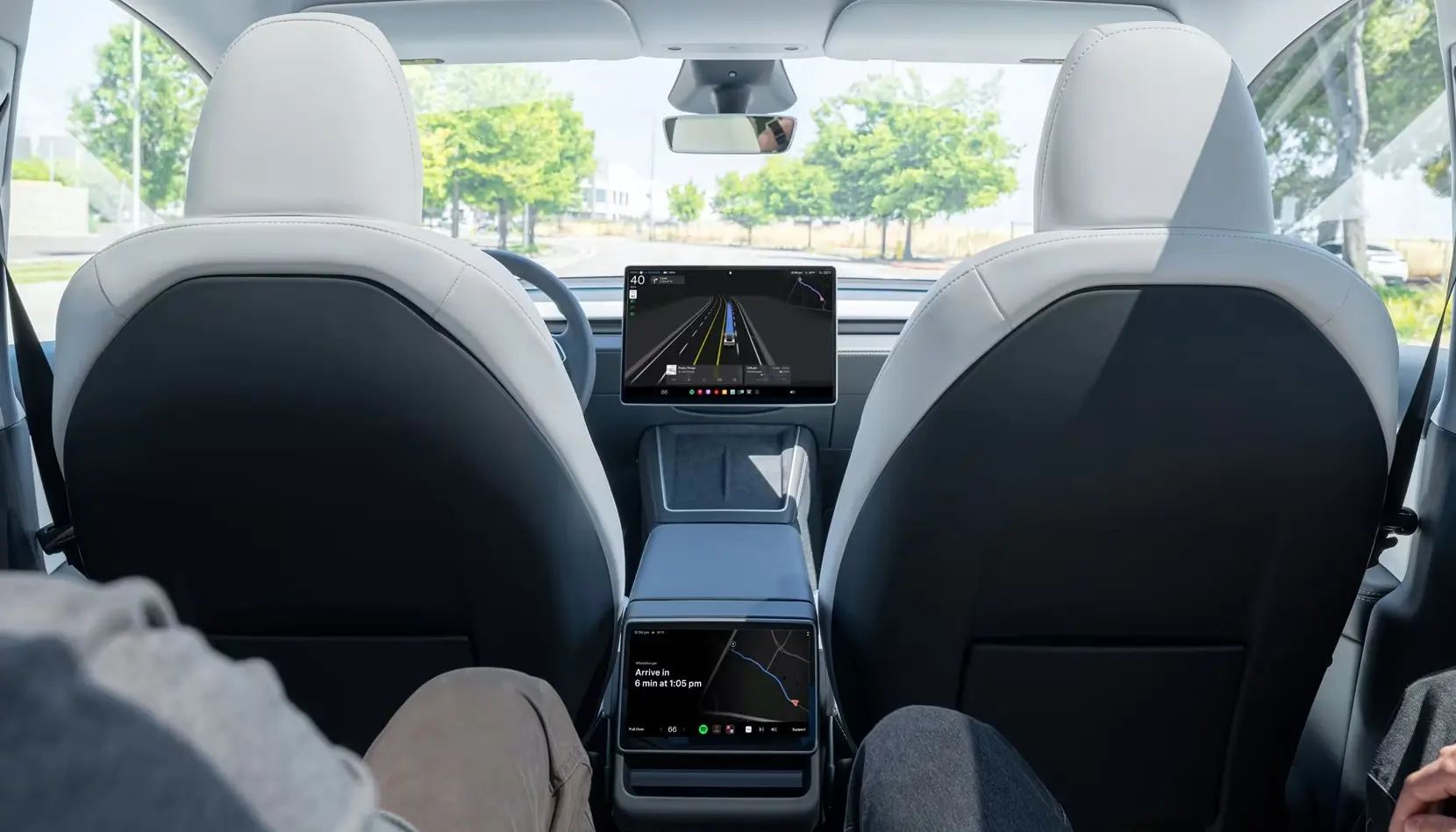
Key Takeaways
- Tesla has successfully rolled out its Robotaxi service in Austin after a long wait.
- Elon Musk demonstrates his commitment to delivering on promises, despite previous delays.
- Customers can use the Robotaxi service for a flat fee of $4.20 per ride.
- The debate over Tesla’s vision-only approach to self-driving is settled, with successful operations in Austin.
- Early riders report that Robotaxis drive safely and more smoothly than some human drivers.
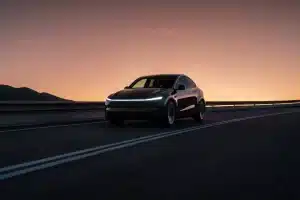
The long-anticipated Tesla Robotaxi service has officially rolled out in Austin, marking a significant milestone in the journey toward autonomous driving. This development not only underscores Elon Musk’s commitment to fulfilling his visionary promises, albeit delayed, but also highlights a pivotal shift in public transportation dynamics.
The Road to Robotaxi
For years, the concept of a robot-controlled taxi service seemed more like science fiction than a plausible reality. Elon Musk has been vocal about his projections and expectations regarding Tesla’s ventures into autonomous driving. Despite skepticism and delays, the recent rollout serves as a testament to Tesla’s perseverance in making autonomous transport a reality.
Key Milestones in the Journey:
- Initial Predictions: Elon Musk’s initial projections on Robotaxi services created a buzz, sparking conversations about the future of urban mobility.
- Delayed Timelines: While the timelines faced delays, the ultimate fulfillment underscores Musk’s ability to deliver revolutionary projects.
- Latest Rollout: The successful operation in Austin signifies not just the fruition of a long-held promise but a breakthrough in autonomous vehicle deployment.
Experience the Future: Tesla Robotaxi
Affordable Rides for All
One of the standout features of Tesla’s Robotaxi service is its competitive pricing model. With a flat fee of $4.20 per ride, it is designed to be accessible, providing an economical alternative to traditional ride-sharing services.
Early Customer Reactions
The initial response from early adopters of the Robotaxi service has been overwhelmingly positive. Riders have noted the smoothness and safety of the rides, often comparing them favorably against conventional human-driven vehicles. This smooth operational capability suggests that Tesla’s advanced AI is robust enough to handle the complexities of urban driving environments.
Navigating the Vision-Only Debate
Tesla’s decision to pursue a vision-only approach in its self-driving systems has been a topic of extensive debate. Critics questioned whether such a system could match the precision and safety of models integrating other sensors like LiDAR.
Key Outcomes:
- Validation of Vision-Only: The successful deployment of Robotaxis in Austin has quieted many critics, affirming that Tesla’s reliance on AI and camera systems is not only feasible but effective.
- Safety and Reliability: Reports from initial operations suggest that Robotaxis have consistently performed safely, reinforcing confidence in Tesla’s technology.
The Impact and Future of Robotaxi Services
The successful launch of Tesla’s Robotaxi service is a harbinger of things to come in the world of autonomous vehicles. As cities continue to combat congestion and seek efficient transit solutions, the role of autonomous vehicles is poised to expand significantly.
Future Considerations:
- Expansion Plans: With the success in Austin, Tesla is likely to consider expanding the Robotaxi services to other cities, thereby increasing accessibility to autonomous transport.
- Technological Advancements: Continuous advancements in AI and machine learning will further refine and enhance the capabilities of autonomous vehicles.
- Regulatory and Infrastructure Challenges: Overcoming regulatory hurdles and ensuring adequate infrastructure will be pivotal in the widespread adoption of Robotaxi services.