 Gary Zhou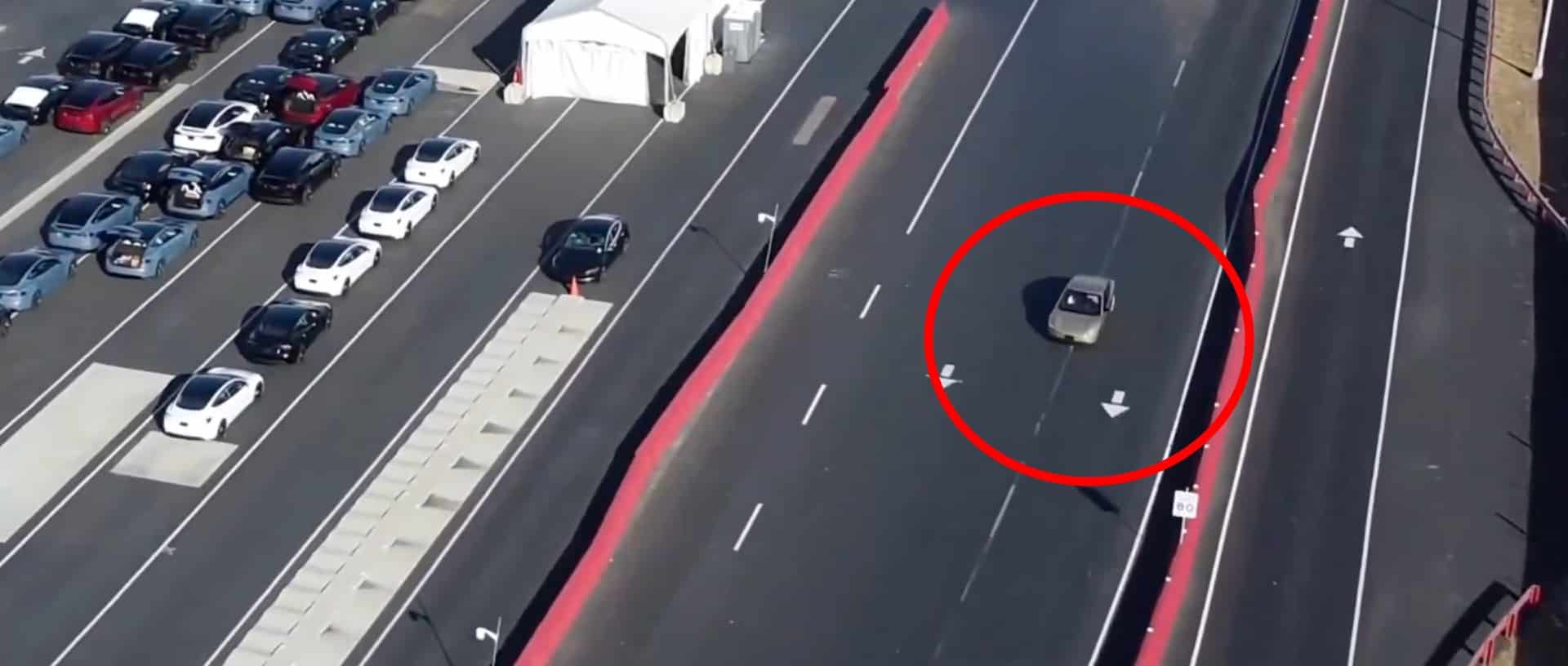
Key Takeaways
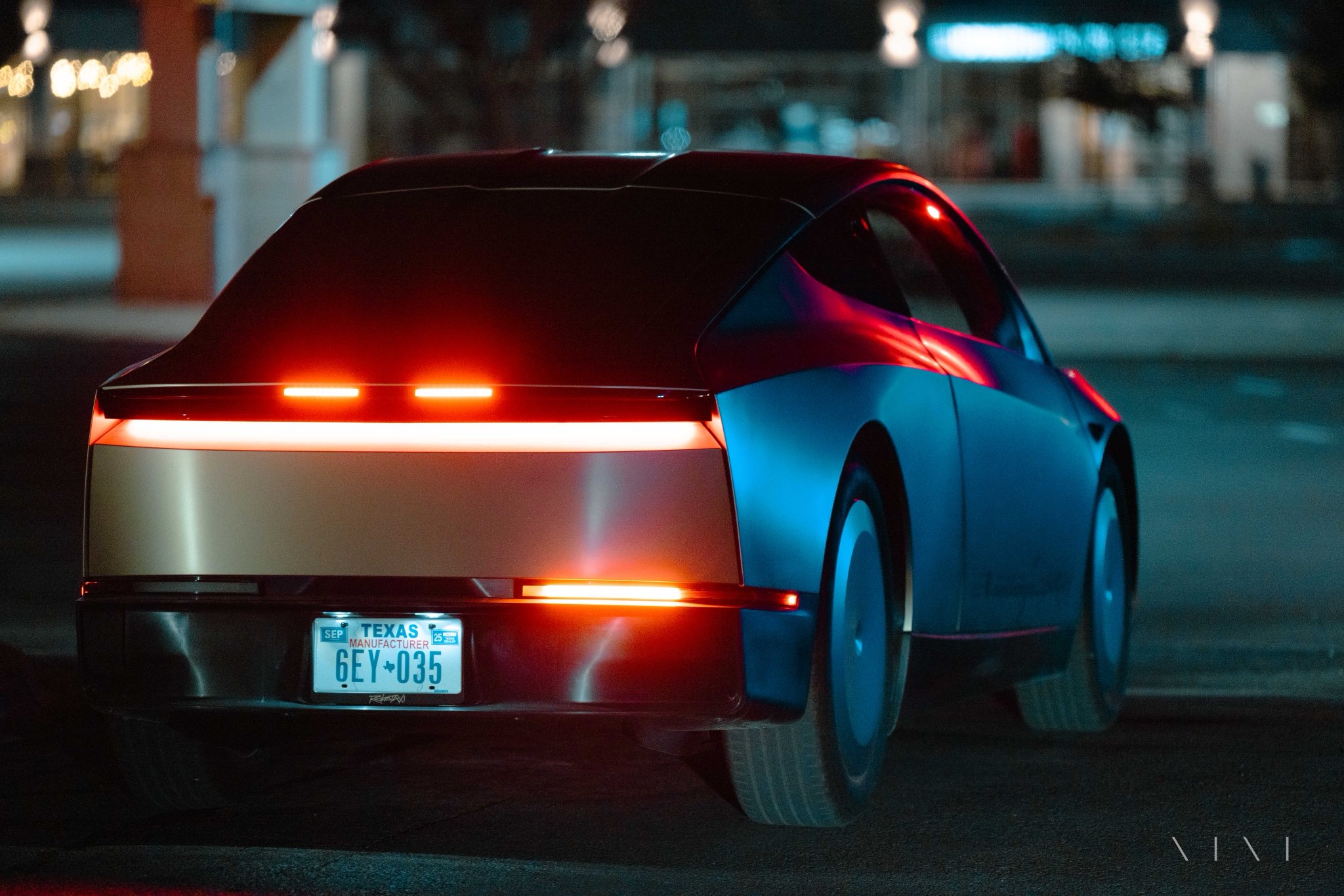
- Tesla’s Cybercab spotted on the Fremont Test Track, indicating progress in development.
- Production for the Cybercab is slated to start in early 2026.
- Crash testing for the Cybercab has also begun at Tesla’s Fremont Factory.
- Historical comparison: Other Tesla models were first spotted on the test track several months before launch.
- The Cybercab may play a key role in Tesla’s Robotaxi program, especially in Austin and Northern California.
Tesla has been making waves in the automotive industry for years, and its latest innovation, the Cybercab, is set to revolutionize the world of autonomous vehicles. Recently spotted on the Fremont Test Track, the development of Cybercab signifies monumental strides not just for Tesla, but for the future of transportation. In this blog post, we will delve into the significance of the Cybercab’s progress, its potential role in Tesla’s expansive Robotaxi program, and how it compares with other benchmark models from Tesla’s illustrious lineup.
The Cybercab Development Journey
Progress at the Fremont Test Track
The Fremont Test Track in California has been a dynamic hub for testing Tesla’s pioneering vehicles. The appearance of the Cybercab here is a clear signal of its advancement towards production readiness. Historically, Tesla vehicles that appear on this test track often find their way into production a few months later. For example, the Model Y, Tesla Semi, and Cybertruck all followed this pattern, hinting that the Cybercab might soon be a practical reality on our roads.
Production Timeline
According to Tesla’s developmental schedule, the Cybercab is expected to move into production by early 2026. This timeline aligns with the company’s strategic goals for rolling out new innovations, ensuring that the technologies and infrastructure needed for launch are robust and dependable.
| Vehicle | First Spotted on Fremont Test Track | Launch Date (Production Start/First Deliveries) |
|---|---|---|
| Model Y | December 12, 2019 | January 2020 |
| Tesla Semi | March 8, 2021 | December 1, 2022 (Limited to pilot program participants) |
| Cybertruck | December 10, 2021 | November 2023 |
| Cybercab | October 9, 2025 | Early 2026 |
Testing and Safeguarding: A Rigorous Process
Crash Testing Milestones
An essential phase in the Cybercab’s journey is crash testing, crucial for ensuring Safety and Compliance. These rigorous tests have already commenced at Tesla’s Fremont Factory, indicating a major developmental milestone achieved. Crash testing allows Tesla to address safety concerns, assess collision impacts, and tweak designs for optimal passenger protection. Such meticulous preparation underscores Tesla’s commitment to delivering a vehicle that meets the highest safety standards.
The Cybercab’s Role in Autonomous Deployment
Historical Comparisons
In terms of timelines, when comparing Cybercab with the Model Y, Tesla Semi, and Cybertruck, the traditional pattern shows that vehicle testing at Fremont precedes actual production by a range of months to a year. This alignment helps in understanding consumer expectations, with the Cybercab carrying out the baton a step forward.
Strategic Inclusion in the Robotaxi Program
A game-changer in the field of autonomous driving is Tesla’s Robotaxi initiative. The Cybercab is poised to be a formidable component in this ecosystem, especially in tech-savvy markets such as Austin, Texas, and Northern California. By leveraging Tesla’s state-of-the-art autonomous driving technology, the Cybercab is expected to reduce the need for a Safety Monitor, a feat that could disrupt current industry norms and freshly chart pathways for autonomous vehicle usage.
The Cybercab’s Anticipated Impact and Features
With Tesla’s clear vision for the future, the Cybercab is expected to offer key features that align with both company objectives and user needs. Here are some features we anticipate could be integrated into the Cybercab:
- Advanced Driver Assistance Systems (ADAS): Building upon Tesla’s existing prowess in autonomous technology.
- Sustainable Energy Options: Continuing Tesla’s commitment to reducing carbon footprints through electric mobility.
- Optimized Interior for Rideshare: Accommodating more passengers comfortably for urban transport scenarios.