 Gary Zhou
Key Takeaways
- Tesla is assembling a growing fleet of over 30 Cybercabs at Gigafactory Texas ahead of mass production.
- Footage shared by Giga Texas observer Joe Tegtmeyer on X shows Cybercabs being transported or staged for testing.
- Many Cybercabs still have steering wheels, indicating they are testing units, not final driverless Robotaxi versions.
- Additional video captures the Cybercab’s side and rear camera washer system in operation during loading.
- First production Cybercab completed at Giga Texas; full production slated to start in April.
- Cybercab central to Tesla’s Robotaxi expansion beyond early Model Y deployments.
- Production tied to Unboxed manufacturing process for lower costs and faster output.
- Elon Musk notes initial slow ramp due to new components, but rapid scaling expected once mature.
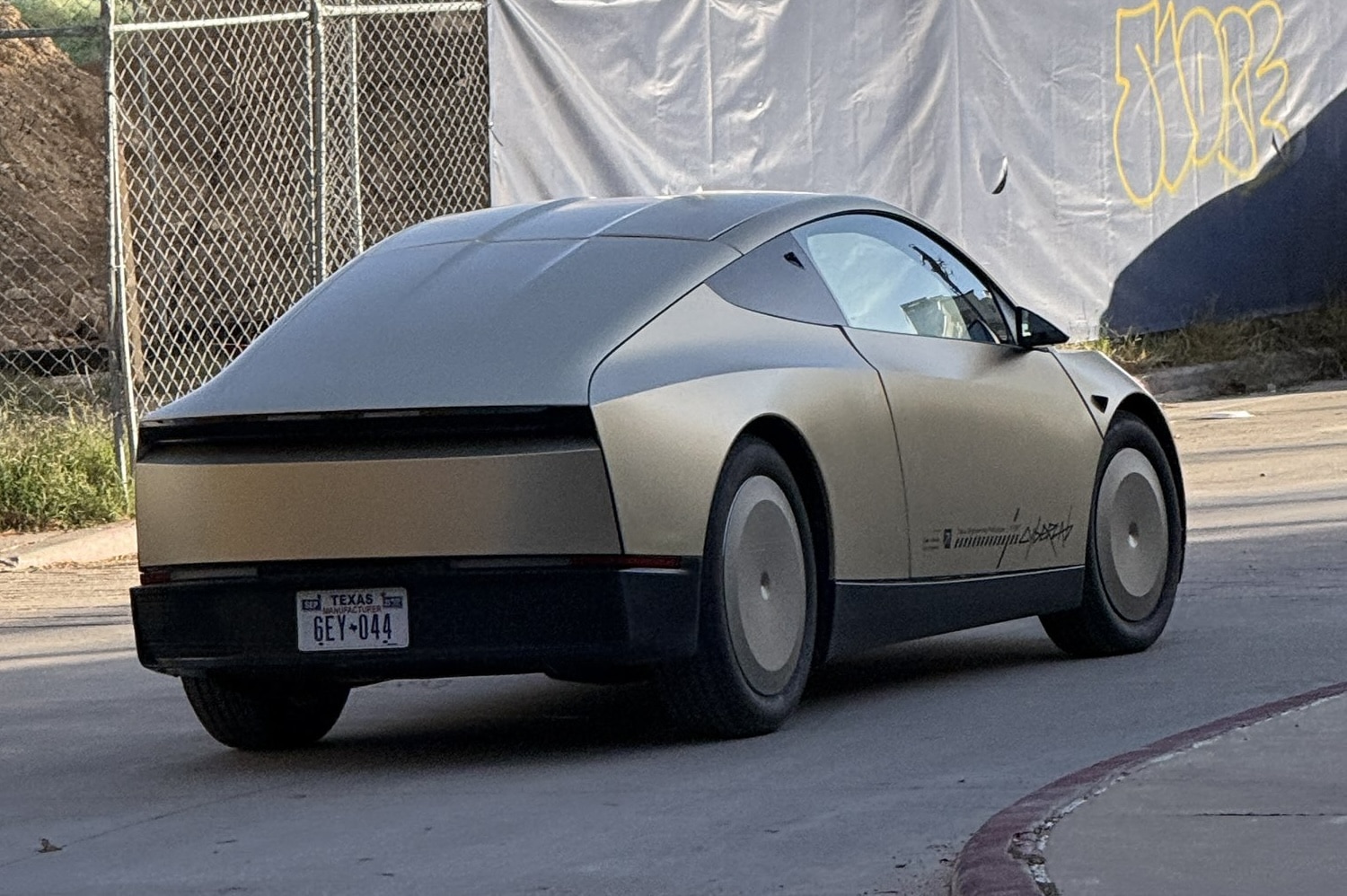
As Tesla inches closer to transforming urban mobility forever, fresh drone footage from Giga Texas reveals a sight that’s got the EV world buzzing: a growing fleet of over 30 Cybercabs being assembled, transported, and tested right on the factory grounds. ❶ ❷ This isn’t just hype—it’s a tangible milestone in Tesla’s audacious push toward a fully autonomous Robotaxi future. With the first production Cybercab already rolling off the line and volume production slated for April 2026, the stage is set for what could be the biggest disruption in ride-hailing since Uber. ❷ ❸
In this deep dive, we’ll unpack the latest sightings, the revolutionary “Unboxed” manufacturing process powering this ramp-up, Elon Musk’s candid warnings on the production curve, and what it all means for investors, Tesla owners, and everyday commuters. Buckle up—or don’t, since these Cybercabs won’t have steering wheels.
Drone Footage Reveals the Cybercab Armada in Action
Giga Texas aficionado Joe Tegtmeyer, known for his eagle-eyed drone surveillance of the factory, dropped bombshell footage just days ago showing over 30 Cybercabs being loaded onto transport trucks and staged for rigorous testing. ❹ ❶ The video captures these sleek, two-seater pods zipping around the expansive Giga Texas complex, with some units even demonstrating their innovative side and rear camera washer systems in real-time during loading—a critical feature for maintaining crystal-clear vision in Tesla’s camera-only autonomy stack. ❷
Here’s what stands out from the footage:
- Fleet Scale: Easily the largest public sighting yet, signaling Tesla’s confidence in hitting pre-production targets. ❺
- Testing Rigor: Units are headed to crash testing facilities, validation tracks, and even Austin roads—essential steps before unsupervised FSD deployment. ❻
- Hybrid Test Configs: Many spotted Cybercabs still sport steering wheels and pedals, confirming they’re engineering mules for hardware validation, not the final driverless versions. ❼ This contrasts with the steering-wheel-less flagship unit celebrated in February. ❽
Tegtmeyer’s videos aren’t just eye candy; they’re a goldmine for enthusiasts tracking Tesla’s operational tempo. If you’re into this, follow him on X or YouTube for daily Giga Texas intel—it’s like having a front-row seat to the robotaxi revolution. ❾
Production Timeline: From First Unit to Volume Ramp
Tesla hit a historic milestone on February 18, 2026, when the first production Cybercab emerged from Giga Texas’s lines—weeks ahead of some expectations, but right on track for the bigger picture. ❿ ⓫ Elon Musk has doubled down multiple times on April 2026 as the kickoff for high-volume production, calling it the third reaffirmation in six months. ❸
Key Timeline Milestones:
- Late 2025: Production lines prepped at Giga Texas; initial testing with prototypes. ⓬
- February 2026: First steering-wheel-free unit off the line; low-volume test builds begin. ❽
- March 2026 (Now): Fleet exceeds 30 units; crash testing and camera validation in full swing. ❶
- April 2026: Volume production starts; initial slow ramp, scaling to “super high volume” (potentially 5x current lines). ⓭
- 2027+: Consumer sales under $30k; Robotaxi fleets expand beyond Model Y pilots. ⓮
This isn’t a sprint—it’s a marathon with Tesla’s signature “crawl, walk, run” philosophy. Early Model Y Robotaxi tests in Austin and elsewhere are the proving ground before Cybercab dominance. ❷
Unboxed Manufacturing: The Secret Sauce for Cybercab Scale
At the heart of this rapid build-up is Tesla’s patented “Unboxed” process, a game-changer that ditches the traditional linear assembly line for parallel modular construction. ⓯ ⓰ Instead of dragging a car chassis through stations, teams build front, rear, sides, and underbody separately, snapping them together like high-tech Legos at the end.
Unboxed Advantages:
- Speed Boost: One Cybercab every 10 seconds vs. 34 for Model Y. ⓱
- Cost Slash: Targets sub-$30k pricing by minimizing factory footprint and labor. ⓲
- Scalability: Perfect for Giga Texas expansion; next stop, potentially Giga Berlin. ⓳
My take? This isn’t just efficiency—it’s a blueprint for EV mass-market disruption. Legacy automakers like GM or Ford are lightyears behind; Tesla’s vertical integration (batteries, AI, casting) makes Unboxed feasible now. ⓴
Elon Musk’s Reality Check: “Slow Ramp” Ahead
Ever the straight-talker, Musk has tempered excitement with realism: expect an “agonizingly slow” initial ramp due to novel components and full autonomy reliance.[21][22] “The slow ramp up has always been the case,” he noted in January, echoing Cybertruck lessons.[21]
Musk’s Key Quotes:
“Production will start very slowly… but then 5x super high volume.” ⓭
This measured approach prioritizes quality over hype—vital for a vehicle with no pedals or wheel, betting everything on FSD v12+ vision.[23] Investors: Patience pays; history shows Tesla ramps explode post-validation.
Cybercab Tech Highlights and Challenges
- Vision-Only Autonomy: 8 cameras, no lidar/radar—cheaper, scalable. ❷
- Inductive Charging: Seamless for fleets.
- Safety First: Crash tests underway; regulatory hurdles loom (NHTSA eyes unsupervised ops).
Advice for Tesla Fans: If you’re eyeing a Robotaxi investment, diversify but watch Q2 2026 earnings for ramp data. Early adopters might snag employee units post-testing.
The Bigger Picture: Bye-Bye Uber, Hello Tesla Network?
Cybercab isn’t just a car—it’s the cornerstone of Tesla’s $10T Robotaxi vision, outpacing Waymo/Uber with scale and cost (rides at 20¢/mile).[24] Giga Texas output could flood Austin first, then global cities.
My Insights:
- Bull Case: Unboxed + FSD = profitability rocket; stock to $500+ by EOY.
- Bear Risks: FSD delays, regs— but Tesla’s data moat (billions of miles) is unmatched.
- Pro Tip: Join Tesla’s Robotaxi waitlist now; early access could yield dividends via the network.
As Giga Texas hums with Cybercab energy, one thing’s clear: The future of transport is pedal-free, wheel-less, and Tesla-led. Stay tuned—April can’t come soon enough.