 Gary Zhou
Key Takeaways
- Tesla is hiring Body Fit Technicians for Cybercab’s end-of-line assembly at Giga Texas, signaling accelerated production preparations.
- Role focuses on precision tasks like alignment, gap/flush adjustments, and certifying body assemblies to specs.
- Technicians will team up with engineering and quality groups to diagnose/fix fitment issues and conduct detailed inspections.
- Candidates need automotive body fit experience and must handle physically demanding work with tools in Austin, TX.
- Elon Musk confirms Cybercab initial production starts in April, with test units spotted and Alaska winter testing ongoing.
- Musk explains production will ramp slowly via S-curve due to many new parts/steps, quoting: “Initial production is always very slow… agonizingly slow, but eventually end up being insanely fast.”
As a seasoned Tesla enthusiast and EV industry analyst with over a decade tracking Elon Musk’s audacious ventures, I’ve seen my share of production ramps—from the Model 3 “production hell” to Cybertruck’s triumphant scale-up. But the latest developments around the Cybercab robotaxi have me buzzing with anticipation. Tesla has quietly posted job openings for Body Fit Technicians dedicated to the Cybercab’s end-of-line assembly at Giga Texas, a clear signal that initial production is barreling toward its April 2026 target. ❶ ❷ This isn’t just hiring; it’s the prelude to Tesla’s robotaxi revolution, where autonomous two-seaters could redefine urban mobility and propel Tesla into a trillion-dollar valuation territory. Let’s dive deep into what this means, why it’s happening now, and how you can position yourself—whether as a job seeker, investor, or fan.
The Cybercab: Tesla’s Autonomous Game-Changer
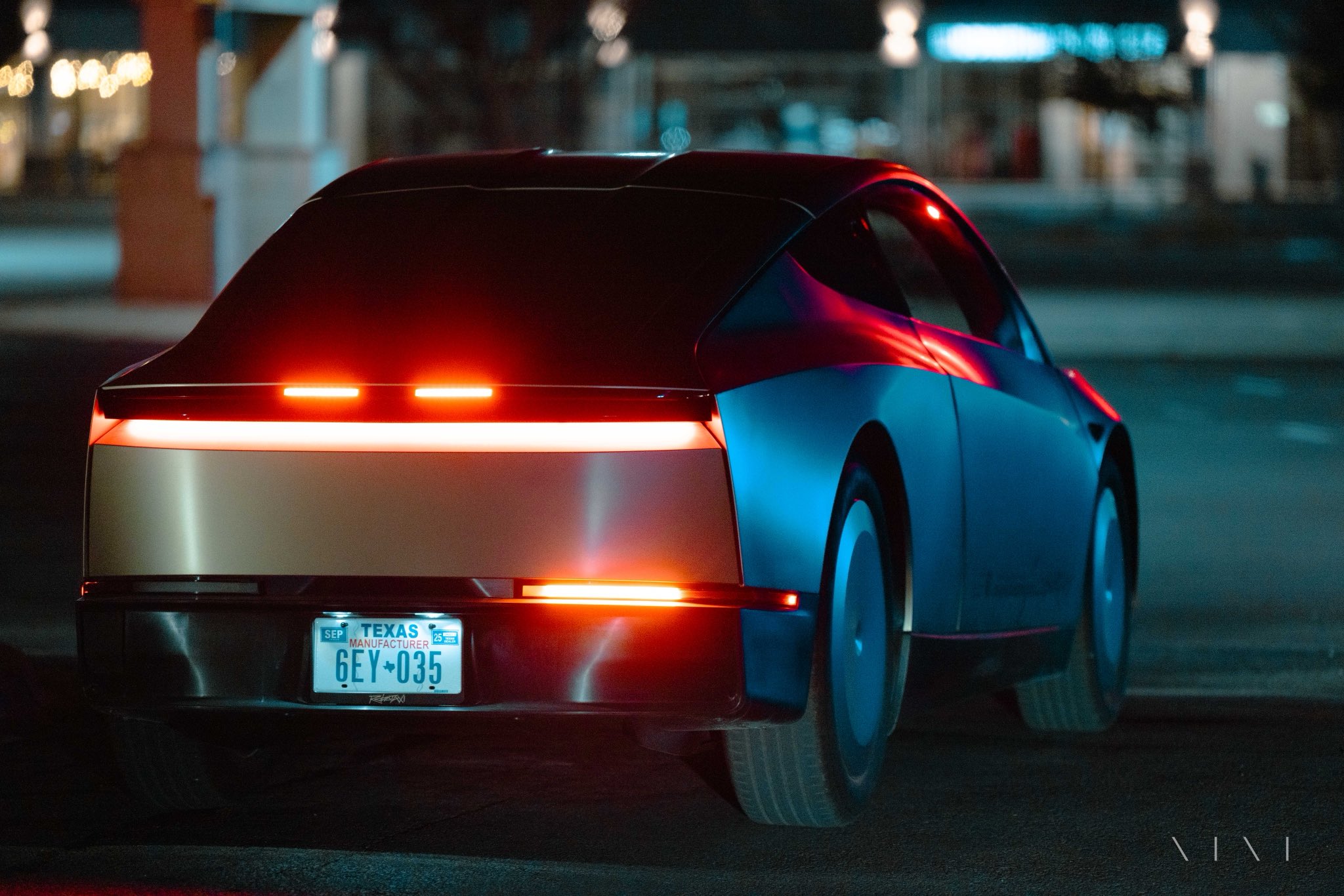
For the uninitiated, the Cybercab is no ordinary vehicle. Unveiled at Tesla’s “We, Robot” event in October 2024, this sleek, doorless, two-passenger coupe is purpose-built for Tesla’s Robotaxi Network. Priced under $30,000, it boasts inductive charging, no steering wheel or pedals, and relies entirely on Tesla’s Full Self-Driving (FSD) hardware for unsupervised autonomy. ❸ Unlike legacy automakers tinkering with retrofitted robotaxis, Cybercab is from-the-ground-up optimized for ride-hailing, promising 20x safer rides and costs pennies per mile.
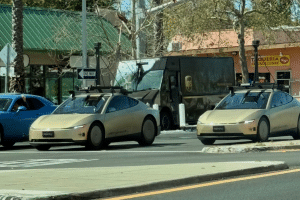
Giga Texas in Austin—home to Cybertruck and the heart of Tesla’s next-gen manufacturing—has been retrofitted with massive casting machines and “unboxed” assembly lines tailored for Cybercab. Satellite imagery and insider leaks show expansion fever, with test mules now prowling U.S. roads. But the real proof? These job postings. Tesla doesn’t hire for vaporware. ❹
Breaking Down the Body Fit Technician Role: Precision Engineering Meets Physical Grit
At the core of this hiring push is the Body Fit Technician, Cybercab, End of Line position. This isn’t entry-level assembly; it’s elite craftsmanship for a vehicle pushing manufacturing boundaries. ❺ Here’s what the role entails:
- Precision Fitment Mastery: Technicians handle alignment, gap, and flush adjustments on Cybercab body assemblies, certifying them to exacting specs. In Tesla’s world, millimeters matter—poor fitment could compromise aerodynamics, safety, or FSD camera calibration. ❺
- Cross-Functional Problem-Solving: Expect daily collaboration with engineering, quality assurance, and supplier teams to diagnose and resolve fitment/performance issues. It’s detective work meets hands-on fixes.
- Rigorous Inspections: Detailed visual and functional checks ensure every Cybercab rolls off flawless.
Physical Demands Are No Joke:
- Lifting, bending, walking for 12+ hour shifts.
- Proficiency with hand/power tools in a fast-paced factory.
- Automotive body fit experience is non-negotiable; think ex-BMW, Ford, or aviation precision roles.
Located in Austin, TX, this full-time gig offers Tesla’s competitive pay (often $25-40/hr base plus bonuses), stock options, and that intangible: building the future. ❶ Tesla’s also hiring complementary roles like Equipment Technicians for Cybercab Body and Drive Units, hinting at a full production ecosystem ramping up. ❻ ❼
Pro Tip for Applicants: Tailor your resume to Tesla’s ethos—highlight metrics like “Reduced gap variances by 20% at previous role.” Network on LinkedIn (job’s live there too), and prepare for behavioral interviews grilling your passion for innovation. ❽ With Austin’s booming tech scene, relocation perks might sweeten the deal.
Elon Musk Sets the Expectations: The Infamous S-Curve Awaits
No Tesla story is complete without Elon. Recently, Musk tempered hype on X (formerly Twitter), confirming Cybercab’s initial production kicks off in April 2026 at Giga Texas—”less than 100 days” from now. ❹ But brace for the grind:
“Initial production is always very slow and follows an S-curve. The speed of production ramp is inversely proportionate to how many new parts and steps there are. For Cybercab and Optimus, almost everything is new, so the early production rate will be agonizingly slow, but eventually end up being insanely fast.” ❾
This echoes Model 3’s 2018 hell, where output crawled before exploding. Cybercab’s novelty—gigacastings, custom batteries, FSD integration—means early bottlenecks. Musk eyes 2 million units/year eventually, but Q2 2026? Think dozens to hundreds weekly.
Winter Testing Proves Cybercab’s Resilience
Amid hiring news, Tesla dropped bombshells: Cybercab prototypes are enduring brutal Alaska winters at dedicated proving grounds. Snow, ice, sub-zero temps—no problem for its all-wheel-drive, camera-based FSD suite. ❿ ⓫ The official Tesla Robotaxi Instagram showcased mules tackling blizzards, marking the sixth U.S. state for testing. ⓬
Why Alaska? Extreme weather validates cold-weather autonomy, crucial for nationwide deployment. Paired with U.S. sightings and FSD v13+ software gains, it’s greenlighting production.
Strategic Insights: Tesla’s Manufacturing Mastery and Market Implications
Tesla’s “unboxed process” for Cybercab—parallel assembly of modules vs. linear lines—slashes costs 50% and ramps faster post-S-curve. ⓭ Giga Texas, already churning Cybertrucks at 1,000+/week, gets Cybercab bays without halting legacy output.
Investor Angle: TSLA stock dipped on Q4 deliveries, but Cybercab hiring screams execution. Robotaxi Day (delayed to Oct 2026?) could unveil fleets. With FSD subscriptions booming, this is Tesla’s $10T path—Musk’s words.
Risks? Regulatory hurdles (NHTSA on unsupervised FSD), supply chain kinks, or macro EV slowdowns. Yet, Tesla’s vertical integration (4680 cells, Dojo AI) mitigates.
EV Advice:
- Job Hunters: Apply now—roles fill fast. Upskill via Tesla START program. ⓮
- Owners: FSD early access? Cybercab could earn passive income via Robotaxi Network.
- Buyers: Wait for volume; early units for Tesla fleets.
The Road Ahead: Why Cybercab Changes Everything
In 2026, as Cybercabs trickle from Giga Texas, expect pilots in Austin/SF. By 2027? Millions transforming cities, crushing Uber/Lyft economics. This hiring is the spark.
Tesla isn’t just building cars; it’s architecting autonomy. Buckle up—the S-curve ascent will be legendary.
What do you think—job applicant, investor, or skeptic? Drop comments below!