 Gary Zhou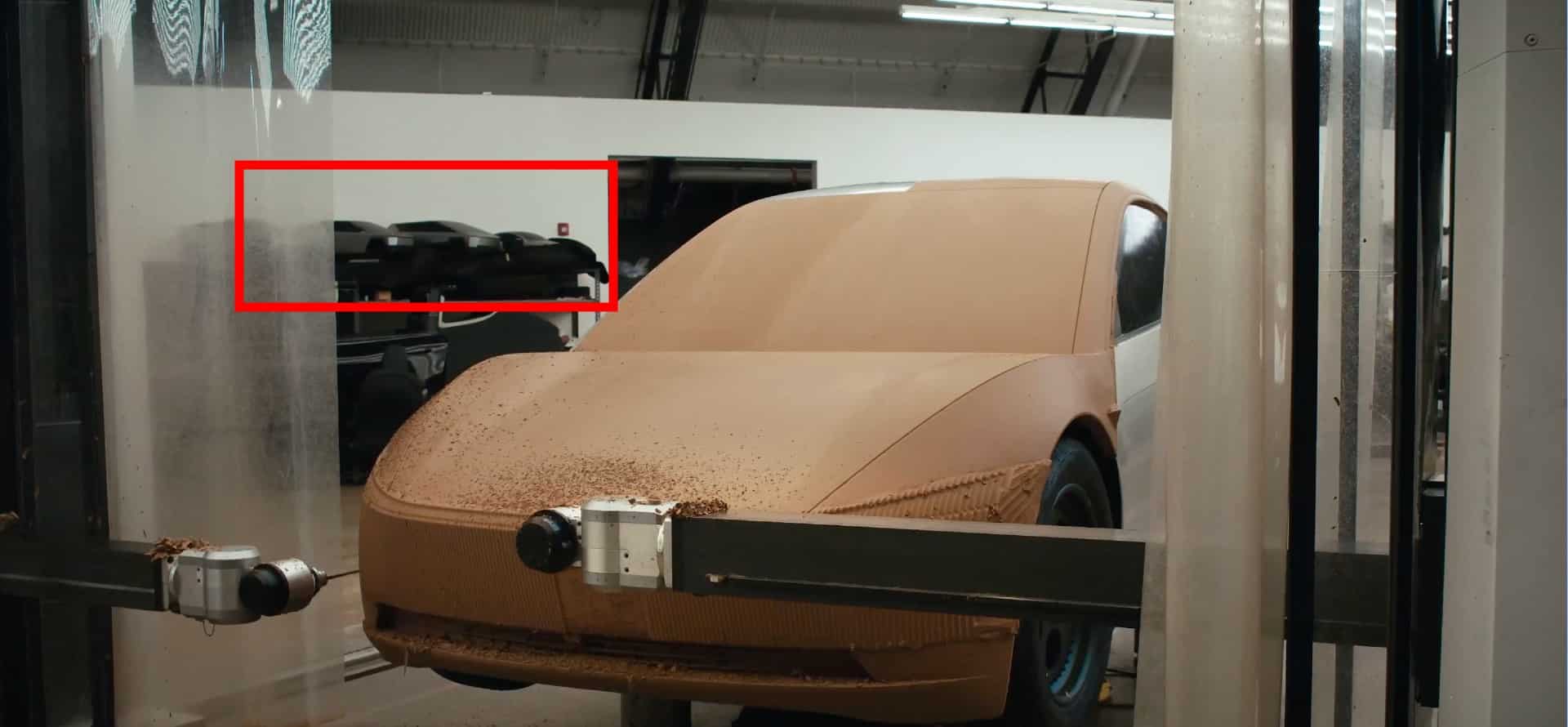
Key Takeaways
- Tesla is considering a Cyber SUV design inspired by the Cybertruck.
- Consumer demand for a full-size SUV has influenced Tesla’s considerations.
- The current Model X is considered too compact for many potential buyers.
- Recent video features clay models of a Cybertruck-inspired SUV, hinting at future designs.
- Tesla has previously stated it won’t produce another vehicle with a stainless steel exoskeleton.
- Tesla is focusing on autonomy, AI, and robotics, despite the demand for a larger SUV.
- There is potential for Tesla to revisit SUV development, depending on market interest.
The electric vehicle giant, Tesla, is well-known for consistently pushing the boundaries of automotive innovation. Currently, there’s growing excitement over the possibility of Tesla stepping into the realm of full-sized SUVs with a Cybertruck-inspired design. This blog post delves into the potential development of a Cyber SUV, examining the consumer demand, Tesla’s strategic focuses, and the broader implications for the electric vehicle market.
Tesla’s Foray into the SUV Market: Meeting Consumer Demand
The demand for a full-size SUV from Tesla has been on many potential buyers’ wish lists for some time. The Model X, while popular, is often perceived as too compact for those looking for a traditional SUV experience. With the automotive market’s strong inclination towards SUVs and crossovers, particularly in the United States, Tesla’s consideration of a Cyber SUV comes as no surprise.
Why a Cyber SUV?
- Consumer Demand: Many Tesla enthusiasts and potential buyers have voiced a desire for a model larger than the Model X. A Cyber SUV could fill this gap, offering a more spacious and practical vehicle for families and adventurers alike.
- Market Trends: SUVs are a significant segment within the automotive market. A foray into this area could help Tesla capture a more considerable market share and attract customers who currently opt for traditional gas-guzzling SUVs.
The Cybertruck Influence: Stainless Steel and Autonomous Features
The recent buzz was fueled by a video showcasing clay models of a Cybertruck-inspired SUV. However, there is some ambiguity surrounding the use of stainless steel, as Tesla previously announced it would not develop another vehicle with this exoskeleton. Despite this, the influence of the Cybertruck’s design on a potential SUV model is evident.
Autonomy and Innovation
- Focus on Autonomy: Tesla’s primary focus presently is on advancing autonomy, artificial intelligence, and robotics. The integration of autonomous features could redefine the utility of a Cyber SUV, offering cutting-edge driving experiences.
- Design Considerations: While embracing Cybertruck-like aesthetics, the design must balance practicality and innovation to meet the wide-ranging needs of SUV drivers.
Market Potential and Challenges
Despite the prospects, Tesla has not committed to developing a Cyber SUV, citing current strategic focuses. The possibility remains tantalizingly open, especially if market interest continues to swell. Yet, several challenges remain:
- Design Feasibility: Creating a vehicle that marries the rugged, futuristic look of the Cybertruck with the functionality of an SUV involves significant design hurdles.
- Production Costs: The cost and complexity of production will be critical in Tesla’s decision-making process. Manufacturing a full-sized SUV with advanced materials and features involves logistical and financial challenges.
The Future of Tesla SUVs
The potential for Tesla to launch a Cyber SUV underscores the brand’s adaptability and its commitment to innovation. While there is no official confirmation, the interest and demand for such a vehicle hint at a promising market opportunity. If Tesla successfully navigates the design and production challenges, it could once again set a new benchmark in the electric vehicle industry.
Tesla’s journey towards a Cyber SUV is emblematic of its broader vision for the future of transportation, balancing consumer demands with technological advancements.