 Gary Zhou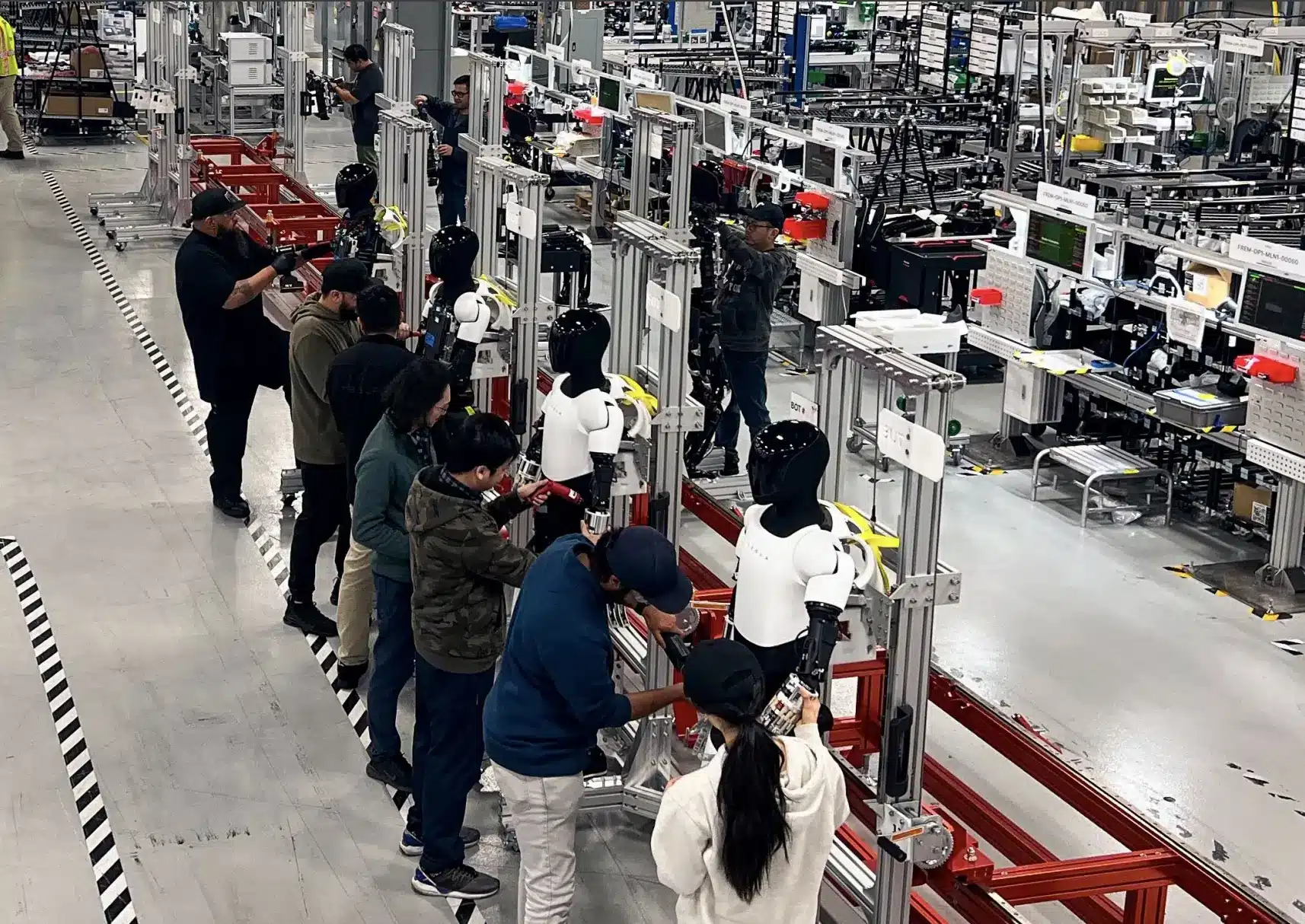
Key Takeaways
- Tesla’s Optimus pilot production line is active in Fremont, aiming for wider deployment across factories by year-end.
- Elon Musk expects thousands of Optimus robots to work in Tesla factories by year-end and plans to scale up to millions annually within four years.
- The production is still in development, focusing on producing a few thousand bots initially, with scaled production later.
- Most components in Optimus are newly developed, except for the Tesla AI computer, leading to potential manufacturing bottlenecks.
- Tesla is negotiating with China for a license to use rare earth magnets in the robots, with assurances required for non-military use.
- Optimus arms use permanent magnets due to volume constraints, designed to optimize component size, which are supply chain dependent.
The Dawn of a New Era in Robotics at Tesla
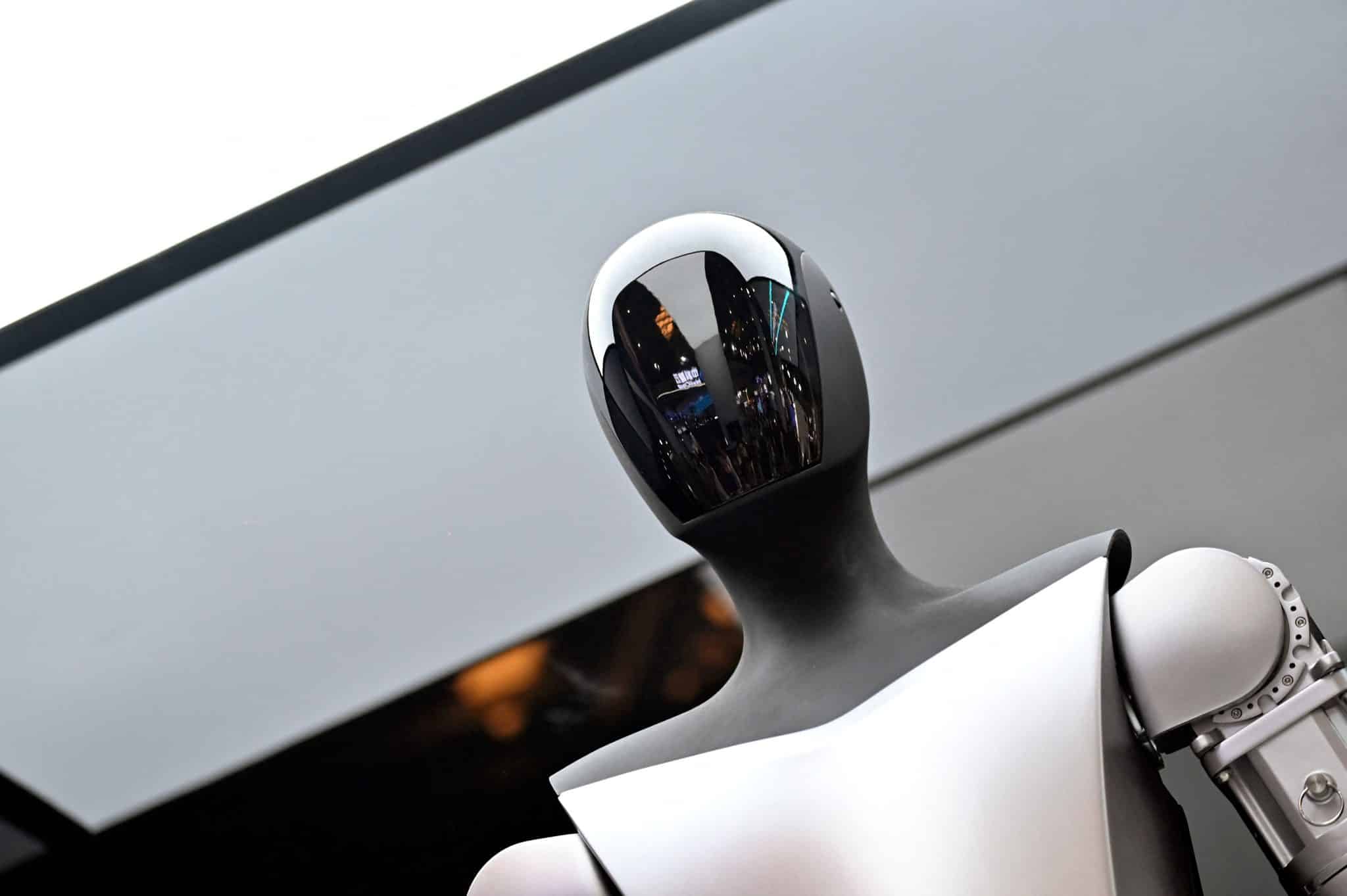
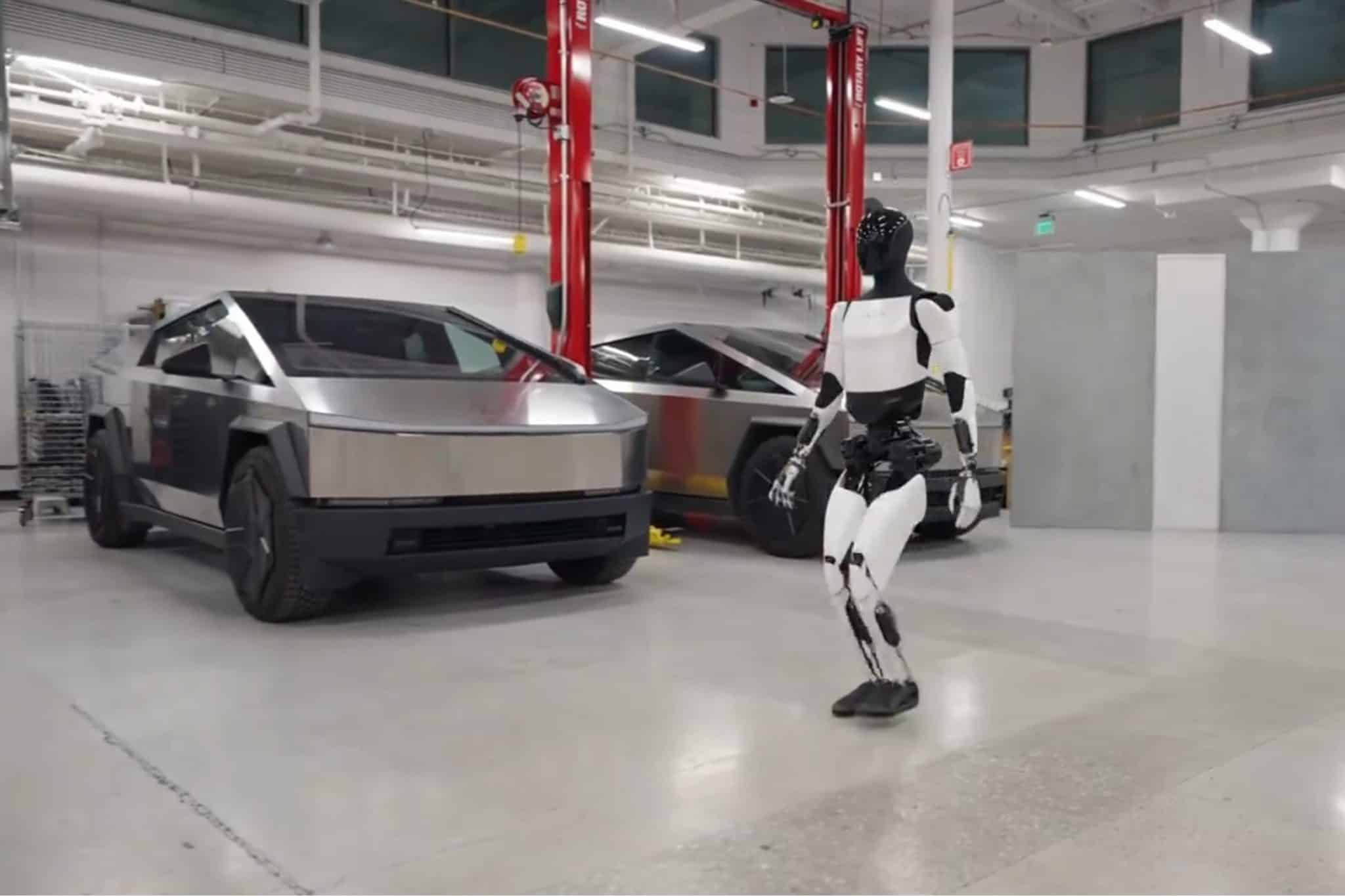
In a move that epitomizes the seamless blend of futuristic vision and pragmatic engineering, Tesla is set to revolutionize the manufacturing industry with its groundbreaking humanoid robots, the Optimus. Nestled in the heart of Fremont, Tesla’s Optimus pilot production line is operational, marking the first significant step towards a wider deployment of these autonomous workers. As Tesla gears up for this ambitious venture, the tech world keenly observes the unfolding of what could potentially become a historic advancement in robotics.
Tesla’s Vision for Optimus: A Quick Overview
- Location and Initial Deployment: Currently active in Fremont, Tesla’s Optimus line is gearing up to extend across various factories by the end of the year.
- Production Scale: With the ambitious goal of deploying thousands of Optimus robots in Tesla factories by year-end, Elon Musk envisages scaling up production to millions of units annually within a four-year timeframe.
- Development Phase: Presently, the project is very much in its developmental stage. Initial production is limited to a few thousand units, with comprehensive scaling anticipated later.
Innovative Design and Engineering: Breaking Down Optimus’ Components
From the outset, it is clear that the design philosophy behind Optimus is emblematic of Tesla’s broader technological ethos.
Core Innovations:
- Newly Developed Components: Most components in the Optimus are innovatively designed, with the Tesla AI computer being a notable exception. This ensures that while the foundational AI leverage existing technology, other parts push the boundaries of current engineering constraints.
- Manufacturing Bottlenecks: These newly designed components introduce potential bottlenecks, necessitating agile and innovative supply chain solutions.
- Permanent Magnets in Use: The necessity to make the robot’s components as compact as possible has led to the use of permanent magnets, especially in the robot’s arms. This decision impacts the supply chain dynamics significantly.
Challenges Ahead: Supply Chain and Regulatory Hurdles
In the race to bring Optimus from conception to global deployment, Tesla faces several undeniable challenges.
Key Hurdles:
- Negotiation with China for Rare Earth Elements: A significant portion of the components relies on these elements. Given recent trade dynamics and export restrictions, Tesla is actively negotiating to secure a license ensuring non-military usage compliance.
- Supply Chain Dependence: The reliance on specific rare earth elements and permanent magnets underscores the importance of a robust and adaptable supply chain strategy.
Elon Musk’s Optimism: The Future of Robotics at Tesla
Despite the numerous hurdles, Elon Musk remains unflinchingly optimistic about the program’s success. He strongly believes that Tesla’s ability to scale up Optimus deployment at an unprecedented rate could redefine manufacturing processes globally. As the project advances, Tesla’s strategies for overcoming supply chain and regulatory challenges will be pivotal in setting industry benchmarks.
The Implications for Industry and Society
As Tesla marches toward an automated horizon, the implications for industrial manufacturing and human labor are profound. Optimus represents not merely a technical feat but the potential recalibration of modern factory dynamics. By spearheading this change, Tesla is not just creating robots – it is crafting the future of work in its image.