 Gary Zhou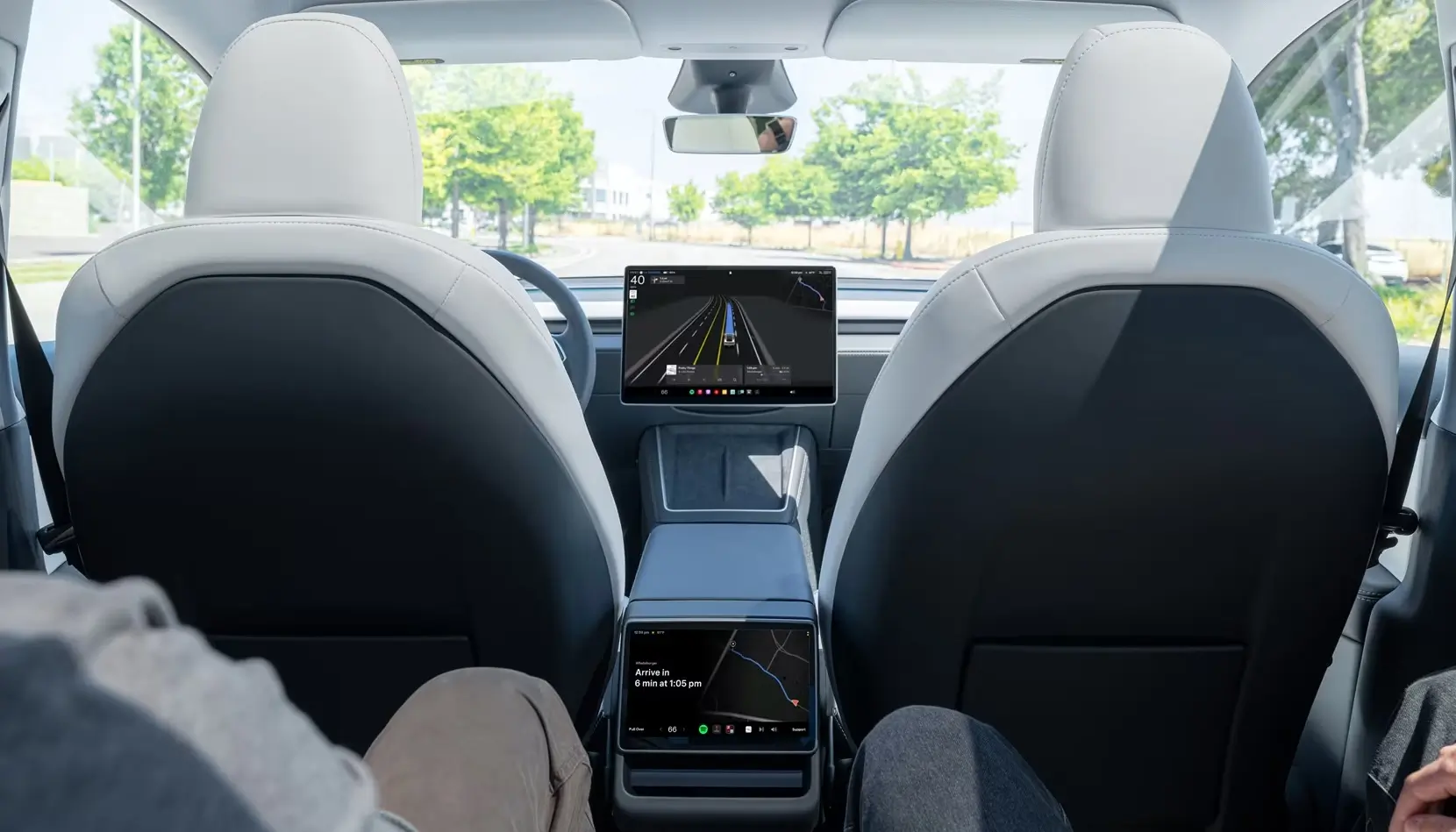
Key Takeaways
- Benchmark raised Tesla’s price target from $350 to $475, citing initial Robotaxi deployment as a growth signal.
- Analyst Mickey Legg praised the controlled, safety-first approach of the Robotaxi pilot, enhancing trust with regulators and the public.
- Legg supports Tesla’s camera-focused approach to autonomy, highlighting cost-effectiveness compared to competitors like Waymo.
- New Texas regulations expected to enhance the regulatory landscape for autonomous services, benefitting future expansions.
- Tesla is evolving into a high-tech automation and robotics company, beyond just electric vehicles, with potential from its humanoid robot, Optimus.
- Benchmark’s confidence in TSLA has led to a 50% stock rebound, reaffirming it as a top investment choice for 2025.
As Tesla continues to push the boundaries of technology and innovation, its recent advancements in autonomous driving and robotics are setting the stage for a future where transportation and automation could merge seamlessly. Discover how Tesla’s latest moves in deploying its Robotaxi services and investment in robotics signal growth and innovation in a rapidly evolving tech landscape.
A New Era for Tesla’s Stock
One of the most exciting updates from the world of Tesla is Benchmark’s recent decision to raise the company’s price target from $350 to a substantial $475. The reason? Tesla’s initial rollout of its Robotaxi service—an endeavor that speaks volumes about the future potential and growth of autonomous vehicles.
The Robotaxi Revolution
Controlled and Safety-First Approach
Tesla’s Robotaxi program is not only about tech innovation; it’s about building trust. Analyst Mickey Legg from Benchmark has applauded Tesla for its careful, safety-first rollout of the Robotaxi pilot. This cautious approach is crucial in earning the trust of regulators and the general public, who are understandably concerned about safety and reliability.
Tesla’s Camera-Based Autonomy
Unlike many of its competitors, Tesla has chosen a unique path by focusing on a vision-only approach to autonomy. This decision, supported by Legg, is seen as both cost-effective and scalable. By opting not to rely on expensive sensor technologies used by others like Waymo, Tesla aims to make autonomous driving more accessible and affordable.
Regulatory Landscape in Texas
The regulatory environment plays a pivotal role in the deployment and expansion of autonomous vehicles. In Texas, new regulations set to take effect could significantly enhance this landscape, providing a more favorable framework for Tesla’s expansion into additional markets. This development indicates a growing acceptance and trust in autonomous technologies and highlights Tesla’s strategic foresight.
Beyond Vehicles: Tesla’s Robotics Vision
Tesla’s ambitions do not end with autonomous vehicles. The company is making strides to position itself as a leader in automation and robotics. The development of its humanoid robot, Optimus, signifies a shift towards becoming a high-tech automation powerhouse. As Tesla evolves from a vehicle manufacturer to a tech giant with domestic manufacturing prowess, the long-term growth potential is vast.
Stock Performance and Future Outlook
Benchmark’s faith in Tesla is reflected in the company’s stock performance, which has rebounded by 50% from its April lows. This resurgence is fueled by easing tariff concerns and a surge in momentum around autonomous driving technologies. With Tesla reaffirmed as a top investment pick for 2025, it’s clear that the company’s innovative strategies and advancements are resonating well with investors.
The Road Ahead
Tesla is forging a path that combines innovation with practicality. From the initial Robotaxi rollout to burgeoning robotics initiatives, the company is not just riding the wave of technological advancement; it’s creating it. As regulations become more favorable and technology more integrated, Tesla’s future in autonomous driving and beyond looks brighter than ever.