 Gary Zhou
Key Takeaways
- Tesla filed trademarks for ‘CYBERCAR’ and ‘CYBERVEHICLE’ just 37 seconds apart on January 28, 2026, right after Elon Musk mentioned them during the Q4 2025 earnings call.
- Musk explained on the call that ‘Cybercab’ (a two-seater robotaxi without steering wheel or pedals) causes confusion, and ‘cab/taxi’ is restricted in some states, suggesting ‘Cybervehicle’ or ‘Cybercar’ instead.
- This follows Tesla’s ‘Cybercab’ trademark failure: Musk unveiled it in Oct 2024, but a French seltzer company (Unibev) filed first, gaining USPTO priority over Tesla’s late application.
- Tesla also couldn’t secure ‘Robotaxi’ as USPTO deemed it too generic.
- New strategy: reactive “panic-filing” by lawyers listening live to calls, rather than proactive pre-announcement filings like other companies.
- Electrek’s Fred Lambert criticizes Tesla’s chaotic process—Musk improvises names publicly, lawyers scramble—contrasting with standard corporate practices.
- Future uncertainty: ‘Cybercar’ and ‘Cybervehicle’ may face scrutiny despite existing ‘Cybertruck’ trademark.
As a seasoned EV industry analyst and blogger who’s followed Tesla’s wild ride since the Roadster days, I’ve seen my share of bold moves, hype cycles, and outright blunders. But nothing quite captures the frenetic energy of Elon Musk’s Tesla like their latest trademark saga. On January 28, 2026, during the Q4 2025 earnings call, Musk casually floated “Cybervehicle” and “Cybercar” as alternatives to the beleaguered “Cybercab.” Within minutes—37 seconds apart, to be exact—Tesla’s legal team panic-filed trademarks for both names with the USPTO. This isn’t strategy; it’s survival mode, a direct response to past humiliations like losing “Cybercab” to a French seltzer maker. ❶ ❷
In this deep dive, we’ll unpack the timeline, the blunders that led here, the implications for Tesla’s robotaxi dreams, and hard-earned lessons for any innovator tempted to wing it on branding. Buckle up—this is Tesla at its most chaotic, and it could define their autonomous future.
The Earnings Call That Sparked the Sprint
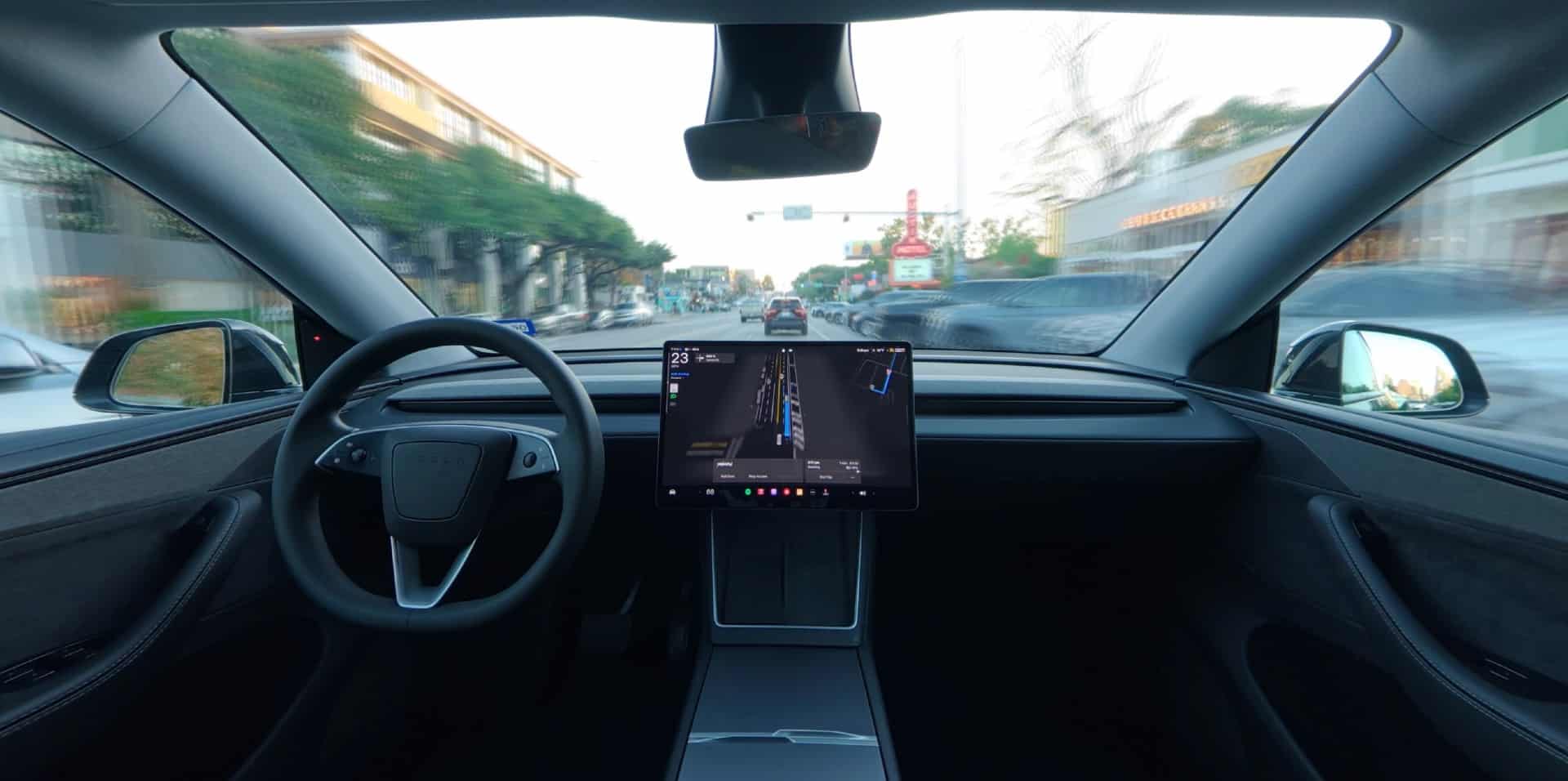
Tesla’s Q4 2025 earnings call kicked off at 5:30 PM ET on January 28, 2026, delivering a mix of sobering financials (revenue down 3% YoY to $94.83B amid softening EV demand) and moonshot promises on autonomy. ❸ CEO Elon Musk, ever the showman, dove into the robotaxi weeds, addressing confusion around the “Cybercab”—Tesla’s flagship two-seater autonomous vehicle sans steering wheel or pedals.
Here’s the pivotal quote that set lawyers scrambling:
“Because that implies that the CyberCab, which is a dedicated two-seater dedicated robo taxi, is a little confusing with the terms robo taxi and CyberCab. Sorry about the confusion. In fact, in some states, we’re not allowed to use the word cab or taxi, so it’s going to get even more strange. It’s going to be like Cybervehicle or something Cybercar. But the CyberCab, which is a specific model that we’re making, does not have a steering wheel or pedals.” ❶
Musk’s offhand remark wasn’t just nomenclature nitpicking. Regulatory hurdles in states banning “cab” or “taxi” terms for non-licensed services highlight real barriers to robotaxi deployment. The call wrapped around 7:30 PM ET, and boom—filings hit the USPTO:
| Mark | Serial Number | Filing Time (ET) |
|---|---|---|
| CYBERCAR | 99620747 | 7:32:54 PM |
| CYBERVEHICLE | 99620749 | 7:33:31 PM |
This wasn’t coincidence. Electrek’s Fred Lambert nailed it: Tesla’s team was live-listening, racing to beat squatters. ❶ As of now, the applications are fresh—status pending examination—but Tesla’s existing “Cybertruck” trademark (registered years ago) could smooth the “Cyber” prefix path, despite past USPTO scrutiny. ❶
A Trail of Trademark Tears: Cybercab and Robotaxi Fiascos
Tesla didn’t wake up in panic mode yesterday. This is lesson learned the hard way—twice.
The Cybercab Squatter Debacle
- October 10, 2024: Musk unveils “Cybercab” at the glitzy “We, Robot” event, hyping it as the future of autonomy. ❶
- October 28, 2024: Unibev, a French beverage company peddling hard seltzer, files for “Cybercab” in vehicle classes—swooping in during Tesla’s filing delay. ❷ ❺
- November 2024: Tesla finally files.
- November 14, 2025: USPTO suspends Tesla’s app, prioritizing Unibev due to “likelihood of confusion” and earlier filing. Unibev’s intent? Who knows—maybe rebranding their bubbly bots—but priority is priority. ❷ ❻
The result? Tesla’s “flagship autonomous vehicle” name is bottled up by booze makers. Embarrassing? Absolutely. Costly? Legal battles could run millions.
Robotaxi: Too Generic to Claim
Even worse, Tesla’s “Robotaxi” bid was DOA. In May 2025, USPTO rejected it under Section 2(e)(1) of the Lanham Act as “merely descriptive”—too generic, like trying to trademark “smartphone.” ❼ ❽ Competitors like Waymo use similar terms freely, diluting exclusivity.
These aren’t isolated slips. Tesla’s pattern: Announce big, file late, pay later.
Electrek’s Scathing Take—and Why It’s Spot On
Fred Lambert’s op-ed pulls no punches: “I genuinely cannot believe this is how a company worth hundreds of billions handles trademark strategy.” ❶ He contrasts Tesla’s improv with Apple or Ford’s playbook:
- Proactive Standard: Brainstorm internally, file secretly (intent-to-use apps), announce post-approval.
- Tesla’s Chaos: Musk tweets or calls it live; lawyers sprint.
It’s agile innovation meets corporate malpractice. Lambert’s right—this reveals a lack of “coordinated product naming strategy.” Musk’s genius thrives on spontaneity, but IP demands discipline.
Implications for Tesla’s Robotaxi Revolution
Tesla’s betting the farm on autonomy. Musk teased 2 million robotaxis in a year (more than factories can build), Cybercab production starting April 2026, and FSD v13 breakthroughs. ❾ ❿ But naming woes threaten:
- Branding Confusion: “Cybercab” or “Robotaxi”? Consumers tune out amid flip-flops.
- Regulatory Hurdles: State bans on “taxi” force bland alternatives like “Cybervehicle”—hardly sexy.
- Legal Drains: Fighting Unibev diverts resources from R&D.
- Squatter Magnet: Public slips invite global opportunists (Unibev filed internationally too).
My Insight: This reactive pivot is better than nothing, but risky. USPTO could flag “Cybercar” as descriptive or conflicting (e.g., old concepts like JHD’s fan-made “Cybercar”). ⓫ Success hinges on “Cybertruck” family resemblance—examiners often protect series marks.
Bullish take? It shows Tesla’s speed. In 37 seconds, they locked priority. Bearish? Signals deeper disarray as autonomy ramps.
Lessons for Innovators: Don’t Be Tesla (Yet)
As an expert advising EV startups, here’s trademark gospel:
Best Practices Checklist
- File Early with Intent-to-Use: No public reveal until Serial Number in hand (6-12 months exam).
- Clear Globally: Madrid Protocol for international cover—Unibev hit Tesla multi-jurisdictionally.
- Search Thoroughly: Tools like USPTO TESS or Corsearch catch squatters pre-filing.
- Musk-Proof Names: Internal gag orders on execs; pre-approve key terms.
- Backup Portfolio: File 3-5 variants (e.g., Cybercab + CyberRide + CyberHaul).
Pro Tip: Budget 1-2% of marketing for IP. Tesla’s billions couldn’t buy foresight—don’t let hype sink your brand.
Comparison Table: Tesla vs. Rivals
| Company | Trademark Strategy | Example Success |
|---|---|---|
| Tesla | Reactive panic | Cybertruck (filed pre-announce) |
| Apple | Secret filings | Vision Pro (months ahead) |
| Waymo | Methodical | “Waymo One” (protected early) |
| Ford | Conservative | Mustang Mach-E (variants secured) |
What’s Next? A Cyber Future or More Mayhem?
Monitor USPTO for 99620747/99620749—examination starts ~3 months. If approved, expect Cybercar rollout hype by mid-2026. But Musk’s history (Optimus bots “not useful yet”) tempers optimism. ⓬
My Prediction: 60% chance these stick, boosting robotaxi pivot. But without process overhaul, expect round 4. Tesla’s magic is disruption; maturity means protecting the vision.
In Musk we trust? Partially. This sprint buys time, but true leaders plan laps ahead. What’s your take—genius improvisation or glaring gap?