 Gary Zhou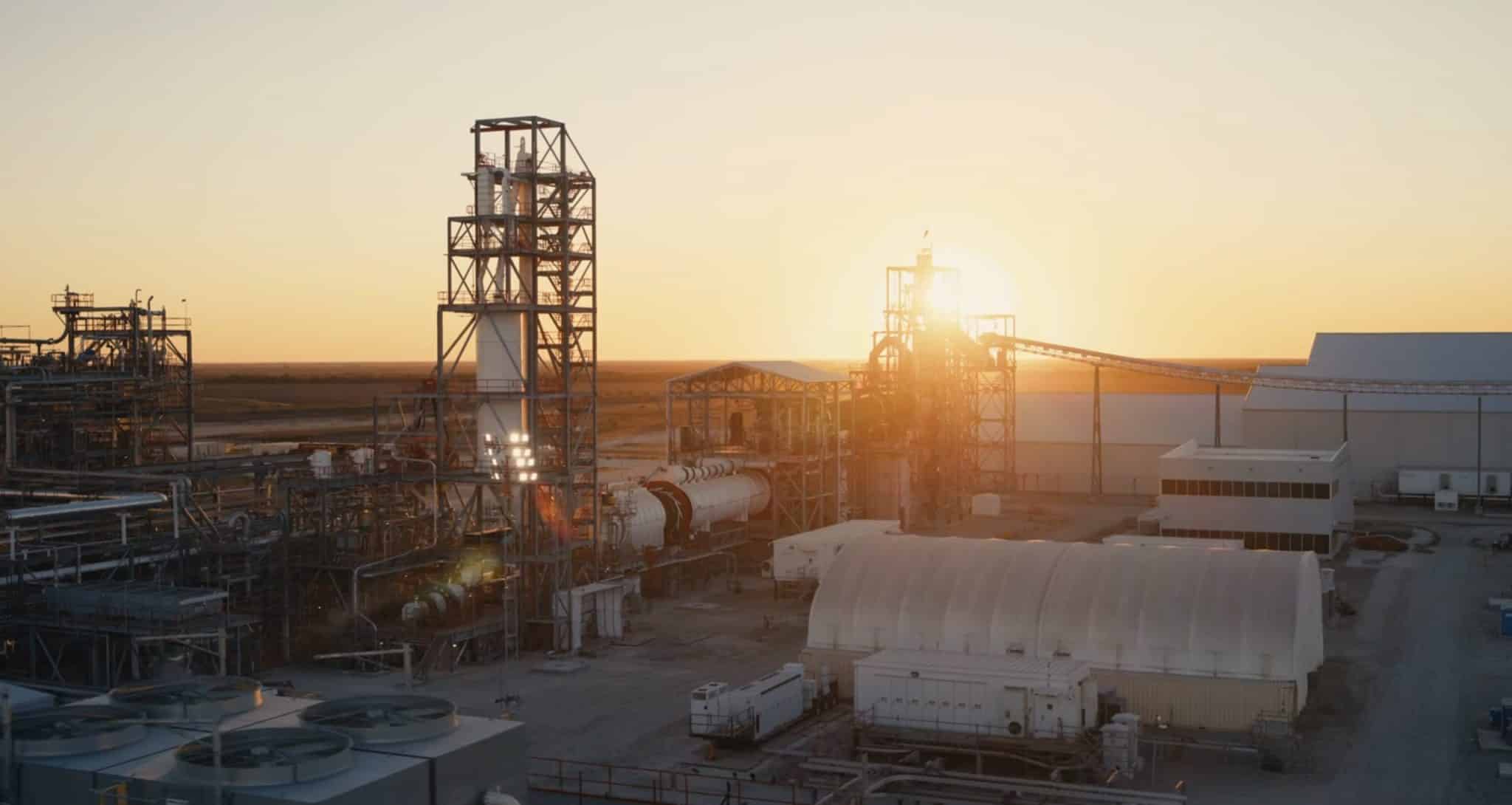
Key Takeaways
- Tesla’s Texas lithium refinery near Corpus Christi is now operational, a major milestone for its U.S. battery supply chain.
- First refinery in North America converting raw spodumene ore directly to battery-grade lithium hydroxide.
- Process involves kilns, cooling, alkaline leaching, purification, and crystallization—simpler and less expensive than traditional methods.
- Tesla staff highlight sustainability: eliminates hazardous byproducts, produces anhydrite co-product for concrete mixes.
- Elon Musk on X calls it “the largest lithium refinery in America,” “most advanced in the world,” and “very clean.”
- Development timeline: groundbreaking in 2023, startup in 2025, fully operational in 2026 via parallel studies, design, and construction.
- Reduces foreign refining reliance, supports Tesla’s battery and EV production growth.
As a seasoned blogger specializing in electric vehicles, battery technology, and sustainable energy supply chains, I’ve been tracking Tesla’s ambitious vertical integration strategy for years. Today, on January 16, 2026, the company has dropped a bombshell: its massive lithium refinery in Texas is officially operational. This isn’t just another factory—it’s a game-changer. Hailed by Elon Musk himself as the “largest lithium refinery in America” and “the most advanced lithium refinery in the world,” this facility near Corpus Christi marks Tesla’s bold step toward energy independence and reshapes the global battery landscape.[1][2]
In this in-depth post, we’ll dive into the refinery’s cutting-edge process, blistering development timeline, sustainability wins, economic ripple effects, and strategic implications for Tesla’s dominance in EVs. Drawing from Tesla’s official video, Musk’s X posts, and the latest industry reports, I’ll share insights on why this could accelerate the U.S. EV revolution while challenging foreign monopolies.
The Birth of a Battery Supply Chain Powerhouse
Tesla’s lithium refinery, located in Robstown just outside Corpus Christi, Texas, represents a $1 billion investment in domestic critical minerals processing.[3] Breaking ground in 2023, the plant hit integrated startup in 2025 and achieved full operational status in early 2026—a feat accomplished by running feasibility studies, design, and construction in parallel.[4]
This 1,200-acre behemoth is the first in North America to convert raw spodumene ore—a lithium-rich hard-rock mineral—directly into battery-grade lithium hydroxide, bypassing the convoluted intermediate refining steps that dominate the industry elsewhere.[5] Traditional methods often rely on brines or multi-stage processing abroad, primarily in China, leaving the U.S. vulnerable to supply disruptions and price volatility. Tesla’s approach? A streamlined, on-site transformation that’s simpler, cheaper, and greener.
At full capacity, the refinery is projected to produce enough lithium hydroxide for 50 GWh of batteries annually—enough to power millions of electric vehicles and energy storage systems.[3] That’s a massive scale-up, employing over 250 workers from production technicians to engineers, and injecting vitality into Texas’s Gulf Coast economy.[6]
Inside the Refinery: A Step-by-Step Breakdown of the Revolutionary Process
Tesla’s newly released video offers a rare, behind-the-scenes tour, with staff explaining the magic happening on the factory floor.[7] Here’s how it works, demystified:
- Feedstock Intake: Raw spodumene concentrate (typically ~6% lithium oxide, Li₂O) arrives via conveyor belts.[8]
- Thermal Treatment: The ore is fed into massive kilns for calcination (heating to ~1,000°C), followed by rapid cooling. This unlocks the lithium structure.[4]
- Alkaline Leaching: The treated ore undergoes leaching in an alkaline solution, extracting lithium ions efficiently without harsh acids used in conventional sulfuric acid processes.
- Purification: Impurities are removed through advanced filtration and ion exchange, yielding high-purity lithium.
- Crystallization: The solution is concentrated and crystallized into anhydrous battery-grade lithium hydroxide—ready for Tesla’s cathode production.
This direct pathway eliminates energy-intensive roasting and roasting steps common in rivals like Albemarle or Livent. Staff emphasize it’s “less expensive” and produces no hazardous byproducts. Instead, it generates anhydrite—a benign co-product used in concrete mixes—making it a sustainability standout.[5]
Pro Tip for Investors and EV Enthusiasts: Watch Tesla’s process patents closely; whispers of soda ash innovations could further slash costs, positioning them ahead of competitors scrambling to replicate this.[9]
Elon Musk Weighs In: “Very Clean” and Unprecedented
No Tesla milestone is complete without Elon Musk’s flair. On X, he posted: “The largest Lithium refinery in America is now operational” and “Tesla built the most advanced lithium refinery in the world and it is very clean.”[1][2] These aren’t hyperbolic boasts—Musk’s track record on vertical integration (from Giga factories to 4680 cells) backs it up.
Musk’s emphasis on “clean” aligns with Tesla’s ethos, countering critics who paint mining as dirty. By localizing production, Tesla dodges geopolitical risks, like Australia’s spodumene export bans or China’s 80% refining dominance.
Blistering Timeline: From Dirt to Production in Record Time
- 2023: Groundbreaking amid lithium price crashes—Musk’s genius in betting low.[4]
- 2025: Integrated plant startup.
- 2026: Full operations, with output already feeding Giga Texas.[10]
This parallel execution shaved years off typical 5-7 year timelines, a testament to Tesla’s agile engineering.
Sustainability and Broader Impacts: Green Wins and Job Creation
Beyond efficiency, the refinery’s anhydrite output repurposes waste, slashing environmental footprints. No toxic tailings mean lower permitting hurdles and community buy-in—key for scaling U.S. mining.
Economic Boost:
- Jobs: 250+ high-tech roles in rural Texas.
- Supply Chain: Complements Nevada lithium ops and future cathode refineries (Musk hinted at nickel too).[11]
- Energy Independence: Reduces reliance on Asia, aligning with IRA incentives.
My take? This de-risks Tesla’s 20M vehicles/year goal by 2030, stabilizing costs amid lithium’s notorious swings.
Strategic Implications for EVs and the Market
Tesla’s move catapults the U.S. from lithium refining minnow to contender. Competitors like GM or Ford must follow or source from Tesla—ironic given past lawsuits.
Bullish Insights:
- Cost Edge: Cheaper LiOH could drop battery prices 20-30%, accelerating mass adoption.
- Vertical Integration: Controls 100% of key inputs, buffering inflation.
- Geopolitics: Shields against tariffs or shortages.
Advice for Investors: TSLA remains a buy; this refinery unlocks “energy company” valuation multiples. For buyers, expect Cybertrucks and Megapacks with “Made in USA” lithium premiums.
Risks to Watch: Scaling to 50 GWh, spodumene supply (Australia partnerships key), and direct recycling tech.
Looking Ahead: The Next Frontier
With the refinery humming, eyes turn to expansions—like cathode production—and Tesla’s rumored lithium mining. This isn’t endpoint; it’s launchpad for a North American battery superpower.
Tesla’s Texas triumph proves: Innovate boldly, execute ruthlessly, win decisively. What’s your take—game-changer or hype?