 Gary Zhou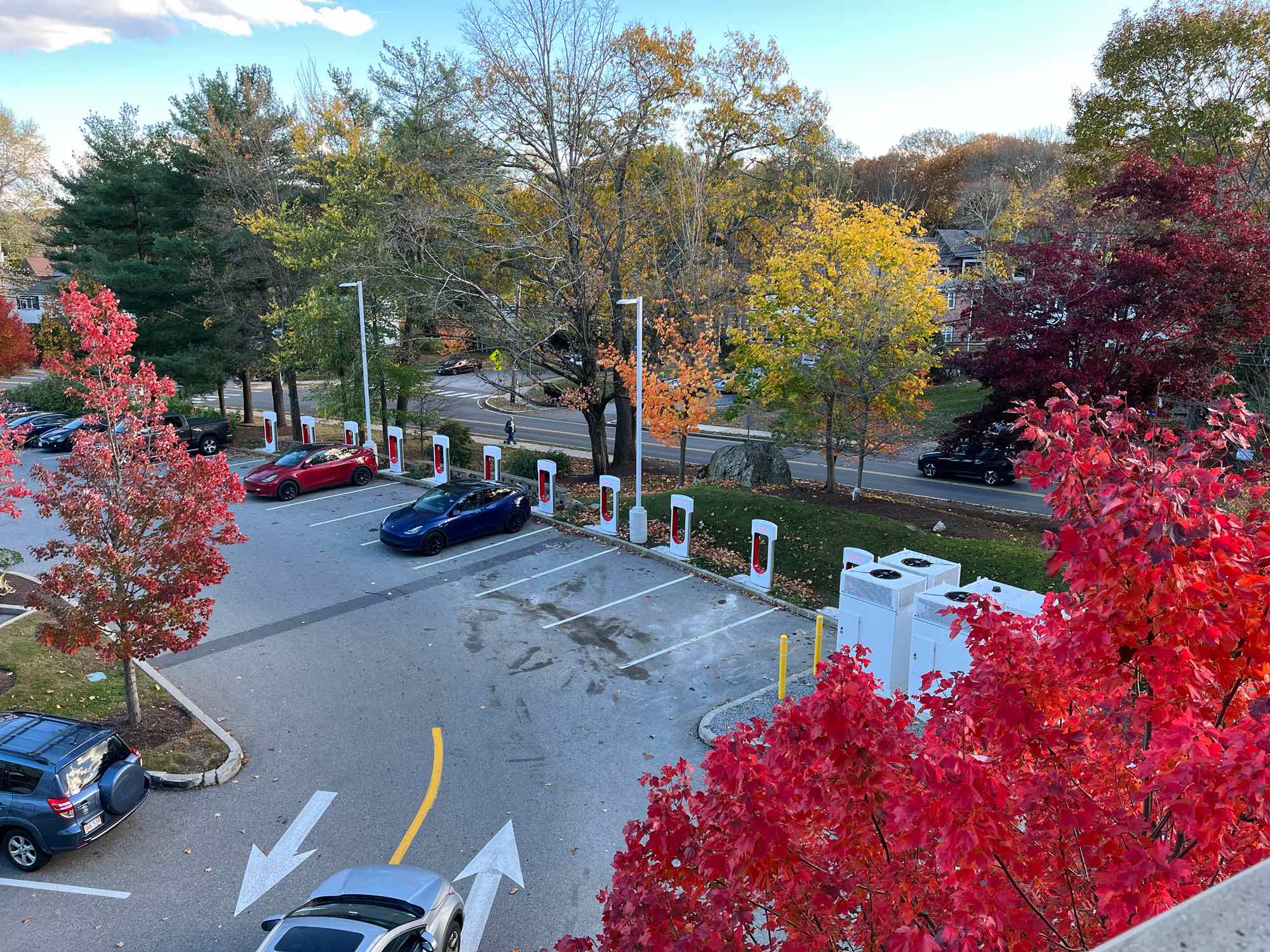
Key Takeaways
- Tesla is testing a new solution for a rare Supercharger issue related to driver queuing.
- The company is piloting a “virtual queuing” system to manage Supercharger lineups.
- The initiative aims to reduce congestion and prevent drivers from cutting in line.
- Max de Zegher, North America’s charging head, announced public pilots will follow internal testing.
- Tesla’s Supercharger Network is expanding to accommodate the growing number of vehicles and users.
As Tesla continues to dominate the electric vehicle (EV) market, the demand for efficient and streamlined charging experiences has never been more crucial. Enter Tesla’s latest initiative: the introduction of a virtual queuing system designed to mitigate a rare but significant issue at Supercharging stations. In this blog post, we’ll delve into the specifics of this new system, its anticipated benefits, and its potential impact on the future of EV charging.
Understanding Tesla’s Virtual Queuing System
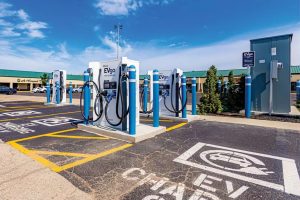
Tesla’s Supercharger Network is renowned for being the most comprehensive in the world. However, with its opening to other manufacturers, the network’s congestion issues have only increased. This has occasionally resulted in drivers cutting in line, bypassing those who arrived earlier, leading to frustration and inefficiency. Tesla’s innovative response to this challenge is the “virtual queuing” system.
How It Works
- Position Assignment: Upon arrival at a Supercharging station, the virtual queuing system automatically assigns a position in line for each vehicle, eliminating confusion and ensuring fairness.
- Real-time Updates: The system provides real-time updates on position changes and estimated wait times, allowing drivers to manage expectations and reduce idle waiting.
- Notification Alerts: Drivers receive notifications when it’s their turn to charge, reducing the need for drivers to constantly check in on their position or worry about other cars cutting ahead.
The Rollout Plan
Led by Max de Zegher, Tesla’s North American charging head, the company is conducting thorough internal testing of this new system. Following successful tests, public pilots are set to launch at select Supercharger sites. This phased implementation ensures the system operates smoothly and meets user expectations before broader deployment.
Addressing Congestion and Efficiency
The introduction of a virtual queuing system is not just a response to line-cutting incidents but a strategic move to enhance overall user experience. As more electric vehicles hit the roads, Supercharger stations are expanding to accommodate this growth. A virtual lineup reduces congestion and creates a more organized and orderly charging process.
Potential Impacts on the EV Ecosystem
The anticipated benefits of Tesla’s virtual queuing system extend beyond just Supercharger users. By mitigating queuing disruptions:
- Improved Driver Experience: With reduced wait times and organized queuing, drivers can enjoy a more seamless charging experience.
- Enhanced Station Efficiency: Reduced confrontations and streamlined operations lead to quicker charging turnover.
- Future Network Scalability: As the charging infrastructure grows, maintaining efficiency will be key; Tesla’s system sets a model for scaling effectively.
This initiative underscores Tesla’s commitment to innovation, user-centered design, and maintaining a competitive edge in the EV market. As public pilots roll out, the industry will be closely watching Tesla’s virtual queuing system—potentially setting a standard for other networks to follow.