 Gary Zhou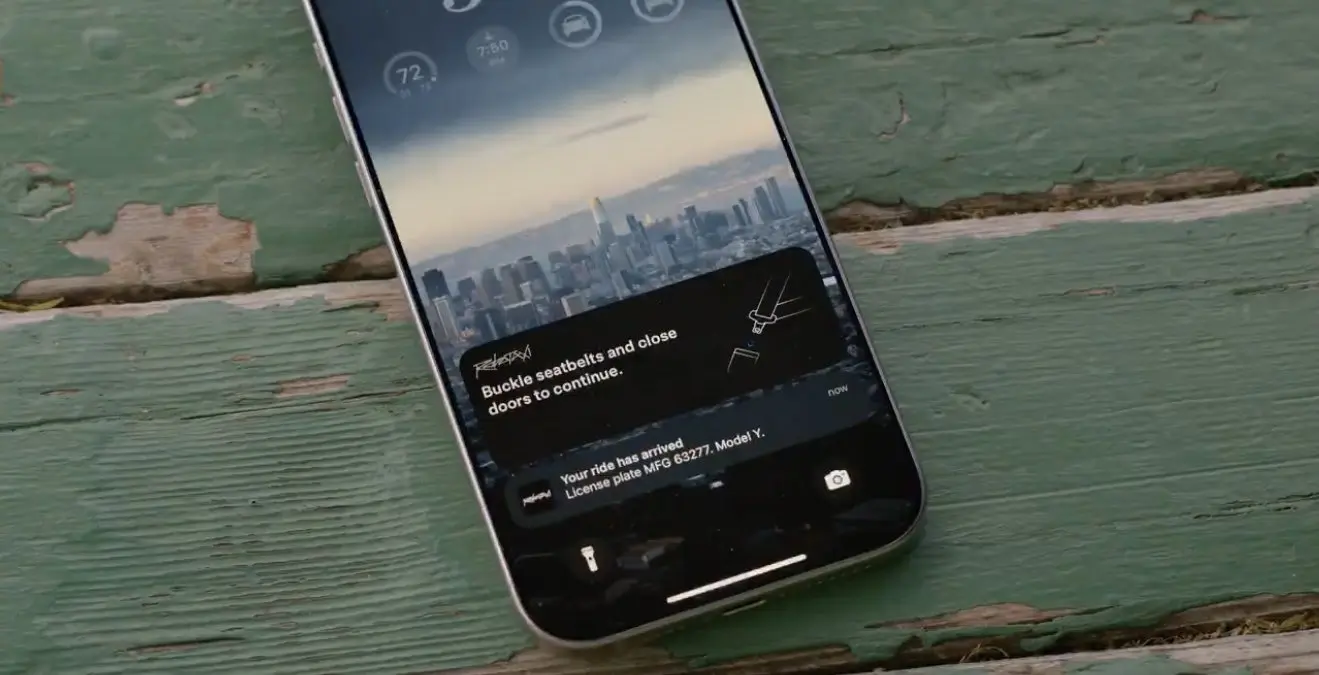
Key Takeaways
- Tesla hints at launching its Robotaxi service in Austin on June 1.
- The Robotaxi will initially use Tesla Model Y vehicles with teleoperator support for safety.
- Tesla has been discussing plans with the City of Austin and enhancing its Full Self-Driving suite.
- CEO Elon Musk emphasizes the focus on a June launch, initially with 10 to 20 vehicles.
- The first rides will be available to a select group, expanding to the public later.
- The rollout will begin small and controlled, but Tesla plans to rapidly scale it up.
Autonomous vehicles are no longer a vision for the distant future; they are rapidly becoming a part of our present. Leading the charge in this technological revolution is Tesla, with its much-anticipated Robotaxi service. Soon to grace the streets of Austin, Texas, this innovative service marks a significant milestone in the evolution of autonomous transportation. In this blog post, we’ll delve into the exciting details of Tesla’s Robotaxi launch, offering insights and analysis on what it means for the future of transportation.
The Impending Launch: A Closer Look
Tesla’s Ambitious Timeline
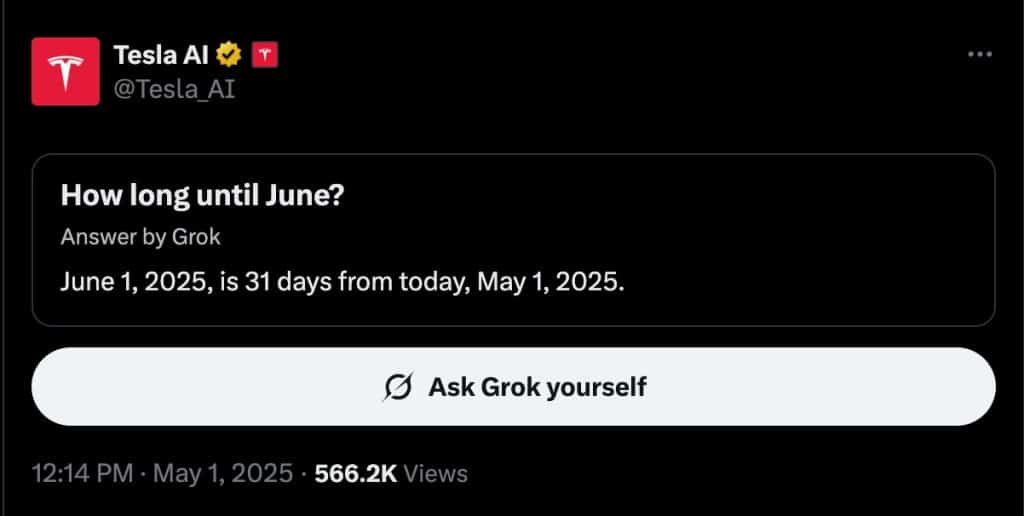
The buzz around Tesla’s latest endeavor reached new heights with the company’s hint at a June 1 launch for its Robotaxi service in Austin. CEO Elon Musk, known for his ambitious timelines and visionary projects, has put a spotlight on this launch with his recent statements. Though Tesla has been known to sometimes miss target dates, this venture appears laser-focused on meeting its goals, potentially making June a landmark month for autonomous service launches.
Initial Fleet and Deployment Strategy
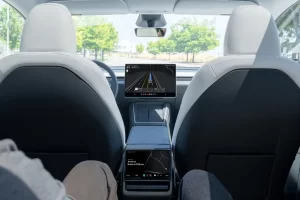
Tesla plans to deploy the Robotaxi service using its popular Model Y vehicles. Initially, the fleet will consist of 10 to 20 vehicles, available to a select group. This cautious yet confident approach allows Tesla to gather data, optimize operations, and address any initial hiccups before scaling up. As the rollout progresses, the availability of rides will extend to the general public, marking a broader implementation phase aimed for later in June or July.
Ensuring Safety with Teleoperators
Role of Teleoperators
A key aspect of Tesla’s Robotaxi operation is the inclusion of teleoperator support. Teleoperators are remote human operators who oversee the vehicle’s autonomous functions and intervene when necessary. This layer of human oversight is pivotal, particularly during the initial phases, ensuring that passenger safety is not compromised as the system learns and adapts to real-world conditions.
Importance in Full Self-Driving Development
Tesla’s decision to integrate teleoperators underscores the company’s commitment to a safe transition toward fully autonomous driving. This approach aligns with Tesla’s overarching strategy to incrementally advance its Full Self-Driving suite. The gradual yet progressive deployment reflects Tesla’s methodology of refining its technology through real-world application while maintaining stringent safety standards.
Collaborations and Community Engagement
Partnering with the City of Austin
Part of Tesla’s strategy involves working closely with local authorities. Cooperation with the City of Austin demonstrates Tesla’s proactive approach to regulatory requirements and community integration. This collaboration will likely serve as a template for future deployments in other cities, ensuring that technological advances align with municipal plans and community interests.
Preparing the Ecosystem
Tesla’s engagement with the Austin community goes beyond regulatory compliance. By preparing the local ecosystem—ranging from infrastructure readiness to public acceptance—Tesla aims to build a sustainable and well-integrated autonomous service that resonates with residents and complements existing transportation networks.
The Road Ahead: Potential and Challenges
Opportunities for Expansion
Tesla’s launch in Austin is just the beginning. The success of this initial rollout could pave the way for rapid expansion across other cities and potentially influence global patterns in autonomous transportation. By setting a precedent in Austin, Tesla positions itself as a formidable player in the ride-hailing domain, with aspirations to revolutionize urban transport across the globe.
Navigating Potential Challenges
However, Tesla must navigate several challenges. These include addressing technological hurdles, meeting safety regulations, and managing public perception. Additionally, maintaining reliability in varied urban landscapes across different cities presents a unique challenge. Tesla’s strategic approach, starting small and scaling up, allows for comprehensive ironing out of potential issues, ultimately maximizing the viability and success of the Robotaxi initiative.