 Gary Zhou
Key Takeaways
- Tesla is abandoning local manufacturing plans in India and will focus on imports instead.
- India aims to bolster local manufacturing, which conflicts with Tesla’s strategy of not producing cars domestically.
- Tesla plans to establish a presence in India through showrooms, allowing potential customers to experience their vehicles.
- India is working to reduce import duties from 100% to 10%, making it more feasible for Tesla to enter the market.
- Electric vehicles accounted for only 2.5% of Indian sales in 2024, highlighting the challenges ahead for Tesla.
Tesla, the electric vehicle (EV) giant, has long been eyeing the Indian market—a burgeoning arena with vast potential due to its sheer size and growing consumer economy. However, its approach towards tapping into this potential has taken a notable turn. Let’s dive into the implications of Tesla’s strategic decision to shift away from local manufacturing in India to a more import-focused model.
Understanding Tesla’s Strategic Shift
Tesla has decided to abandon its initial plans of locally manufacturing its vehicles in India and instead aims to introduce its cars primarily through import channels. This pivot raises numerous questions about the feasibility of this strategy and its long-term implications for both Tesla and the Indian automotive market.
The Local Manufacturing Conundrum
India has been pushing for local manufacturing as a means to stimulate its economy and create jobs. This is in direct contrast to Tesla’s current trajectory, as the company had initially discussed the possibility of setting up its manufacturing units within the country. The decision to shift focus away from this approach might stem from several considerations:
- Regulatory Hurdles: Setting up manufacturing plants involves significant regulatory checks and can be a lengthy process in India. By sidestepping local production, Tesla may be aiming to fast-track its market entry.
- Cost Implications: Establishing production facilities involves substantial capital investment. Tesla might be weighing the immediate benefits of market entry against these long-term commitments.
Tesla’s Import Strategy: A Risky Yet Promising Move?
Tesla’s reliance on imports opens up new pathways but also presents challenges:
- Reduced Import Duties: India has been working to slash the hefty 100% import duties on foreign cars to a more manageable 10%. This policy change is attractive to companies like Tesla as it could potentially make imported EVs more affordable for Indian consumers.
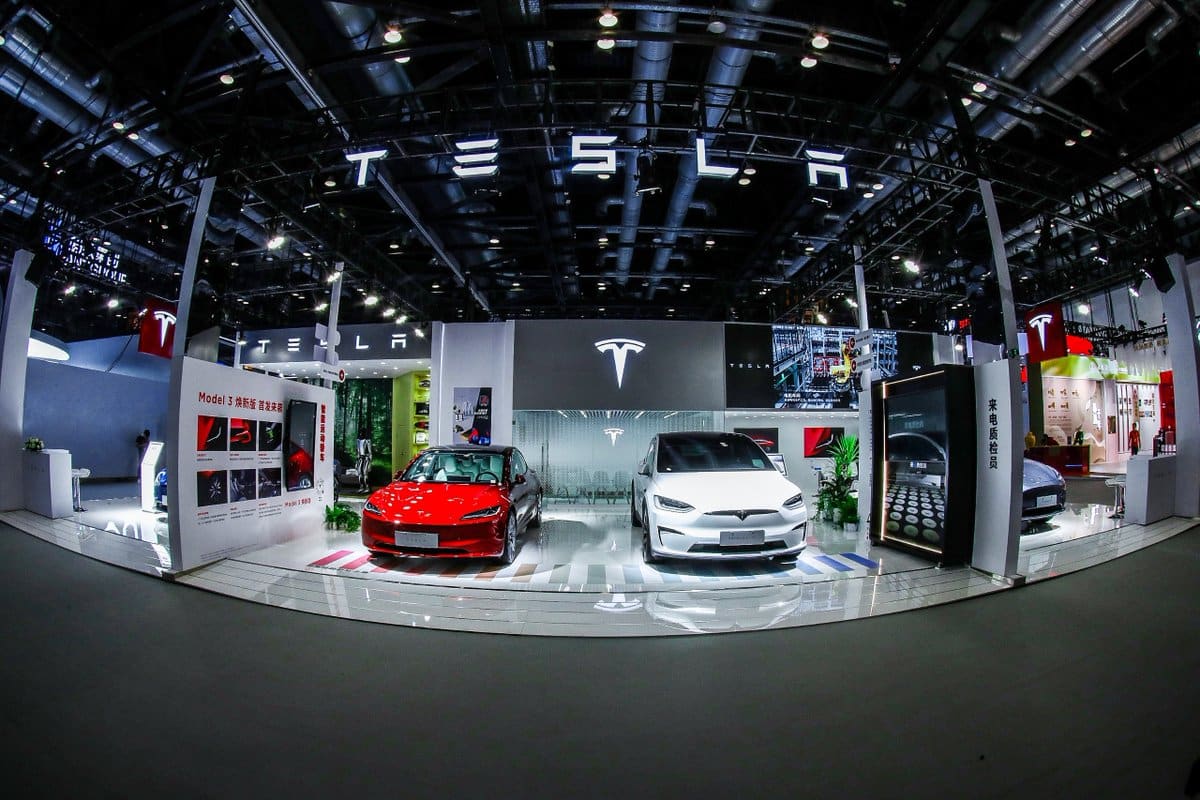
- Establishing Showrooms: To build a brand presence, Tesla plans to establish showrooms across key Indian cities. This move will allow potential buyers to experience its vehicles firsthand, creating consumer interest.
The Indian Automotive Market and Tesla’s Challenges
The Indian car market is vast, but Tesla faces several hurdles:
Growing the EV Market
Despite a push for electric vehicles globally, EVs accounted for only 2.5% of total vehicle sales in India in 2024. This highlights several issues that Tesla and other EV makers must confront:
- Consumer Awareness and Acceptance: Many Indian consumers remain unaware of or skeptical about electric vehicles. Overcoming this requires intensive marketing efforts and consumer education.
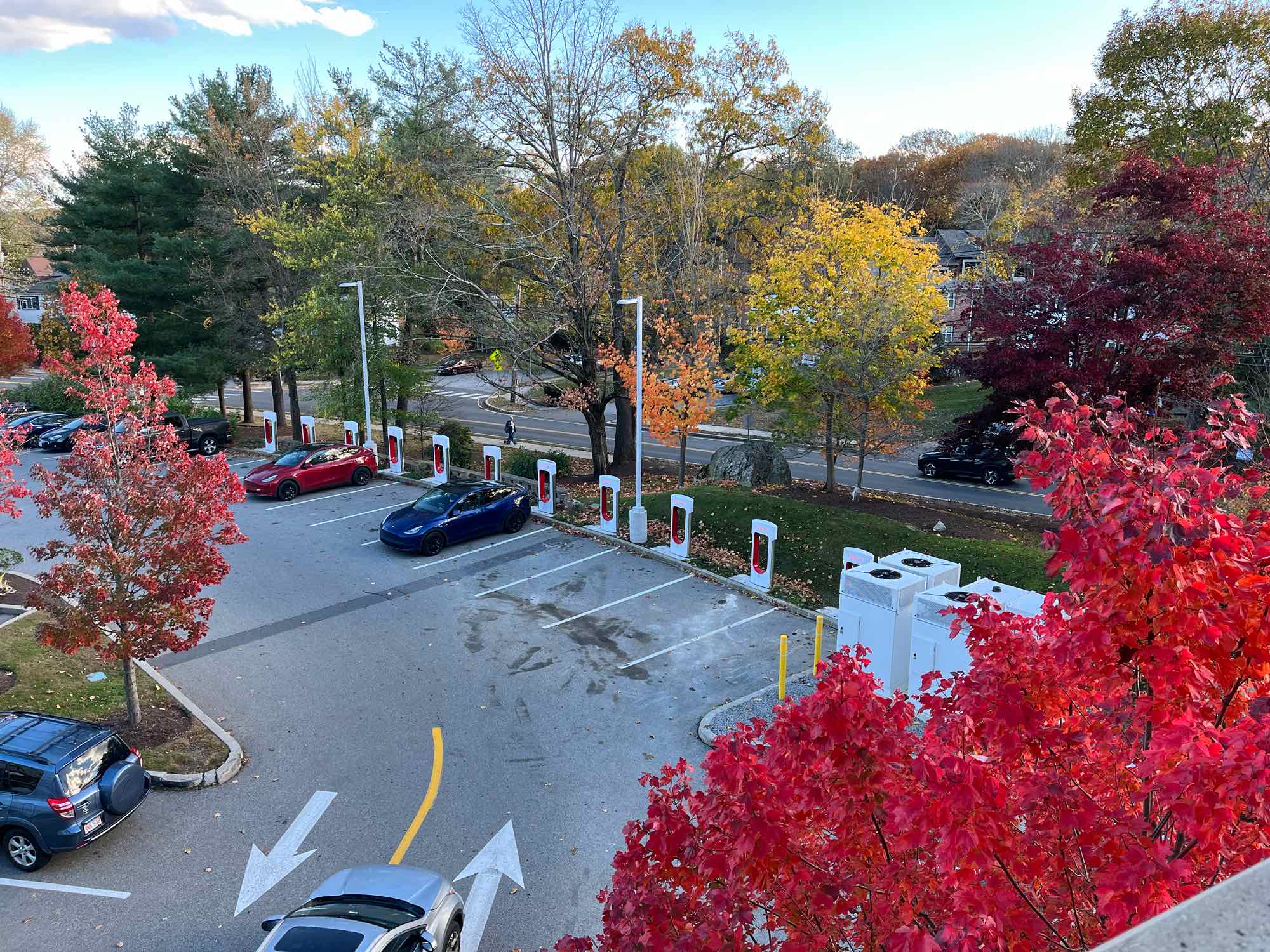
- Infrastructure: The availability of charging stations remains limited, which is a significant deterrent for potential EV buyers.
Looking Forward: Potential Implications and Opportunities
While Tesla’s strategy is not without risks, it also presents potential opportunities:
- Brand Perception: Successfully setting up showrooms and importing vehicles can help Tesla establish its brand as a premium and innovative option in India.
- Market Entry and Adaptation: By entering the market through imports, Tesla can gauge consumer interest, adapt to local preferences, and eventually reconsider localized production based on demand.
- Collaborations and Partnerships: Tesla might explore partnerships with Indian firms for logistics, distribution, and perhaps even co-development of future models that better cater to the Indian market.
A Delicate Balance
Tesla’s journey into the Indian market is representative of a broader challenge faced by global companies—the need to balance global business strategies with local market realities. As Tesla navigates these waters, its success will likely depend on its ability to seamlessly integrate its forward-looking technological prowess with the dynamic demands of the Indian market.