 Gary Zhou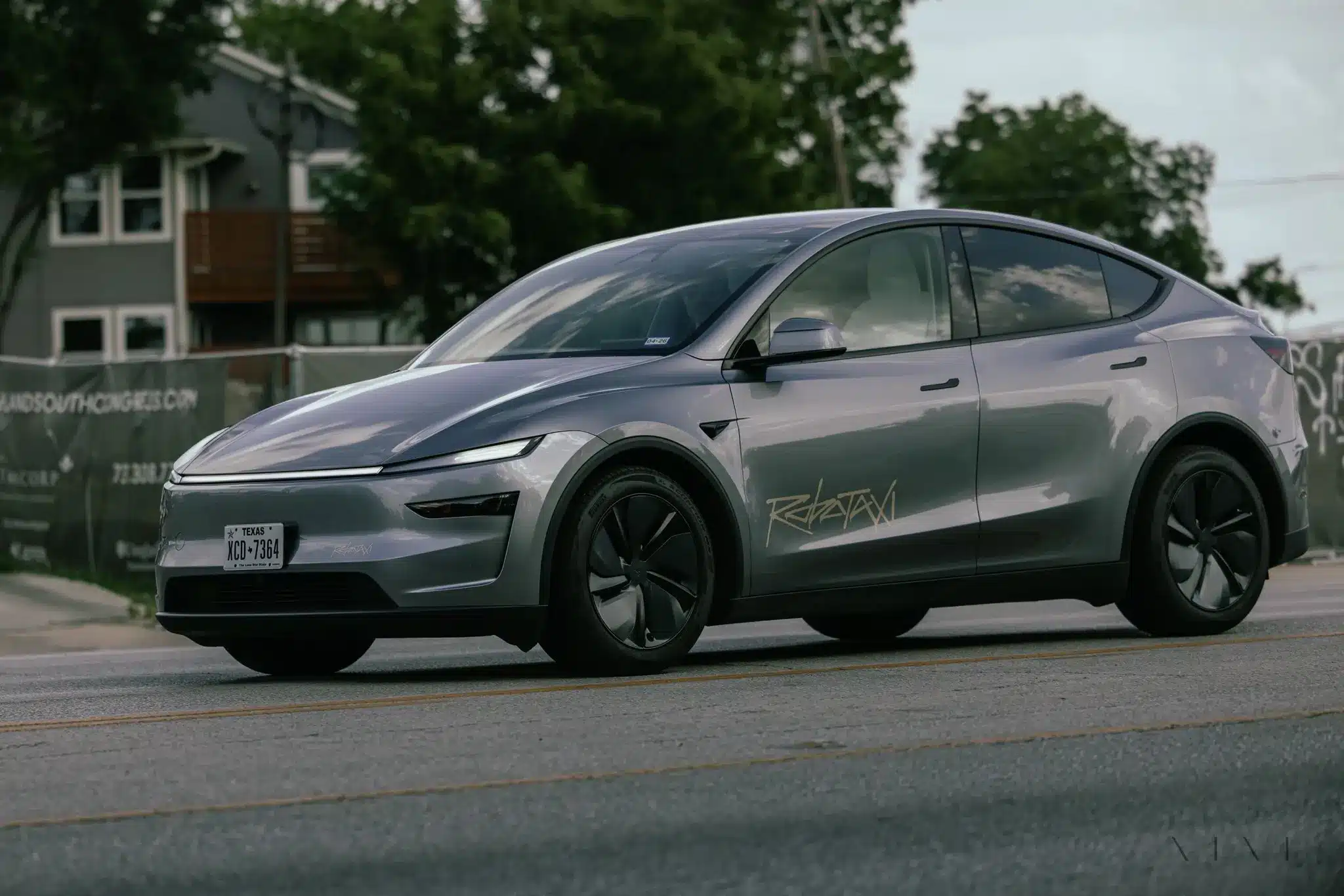
Key Takeaways
- Tesla Robotaxi’s main challenge is managing sun glare.
- Tesla’s unique approach relies solely on cameras for self-driving, avoiding LiDAR.
- Elon Musk defends the camera-only strategy, comparing it to human vision.
- Direct photon counting technology is used to address visibility issues in bright sunlight.
- Early results are mixed, with some users reporting success while others encounter problems.
- The challenge of sunlight may delay Tesla’s goal of operating without safety monitors in vehicles.
In the burgeoning world of autonomous vehicles, Tesla stands as a beacon of innovation. Yet, even as it strides forward with its ambitious Robotaxi project, challenges remain. Among these, the formidable issue of sun glare looms large. With Tesla’s unique approach to self-driving technology, relying solely on cameras rather than LiDAR, the conversation around overcoming natural elements like sunlight is both crucial and fascinating.
The Unique Tesla Approach: Cameras Over LiDAR
Tesla’s commitment to a camera-only strategy for its self-driving technology sets it apart from others in the industry. Most autonomous vehicle manufacturers employ a combination of cameras, sensors, and LiDAR to ensure the robust functioning of their systems. However, Elon Musk has consistently championed the belief that cameras are sufficient, drawing parallels between automotive cameras and human vision.
This vision-centered approach raises important questions, especially regarding how Tesla plans to mitigate the evident challenges of managing varying light conditions, such as direct sunlight, which can visually impair both human drivers and cameras.
The Role of Direct Photon Counting
To address the potential pitfalls of relying exclusively on cameras, Tesla employs direct photon counting technology. This technique aims to process images in a way that manages and compensates for the blinding effects of sunlight, ensuring that Tesla vehicles see as clearly as possible, whether it’s in bright sunlight or complete darkness.
Direct photon counting works by accurately measuring the number of photons hitting the camera sensor, thereby delivering a processed image that negates the overwhelming effect of direct sunlight. The technology signifies a groundbreaking move in the field of computer vision and autonomous driving, offering a solution that could redefine industry standards.
Analyzing Early Results: Successes and Challenges
Early trials of the Tesla Robotaxi in Austin, Texas, have shown mixed results. While some users report successful navigation by the vehicle even when driving directly into the sun, others have encountered issues that necessitate human intervention. Among the recorded incidents was a case requiring the Tesla safety monitor to manually stop the vehicle—a moment that underscores the current limitations of the technology.
Such instances illustrate the complexity of creating a fully autonomous system that can handle every unpredictable element a driver might face. The variation in results points to the need for ongoing refinement and adaptation of Tesla’s systems.
The Road Ahead: Implications for Autonomous Vehicle Deployment
The challenge of managing sun glare is more than just a technical hurdle – it speaks to the broader ambition of achieving fully autonomous vehicles without safety monitors. Tesla’s vision of a future where vehicles operate without human oversight is ambitious and inspiring, yet it’s clear that achieving this requires addressing real-world challenges such as those posed by natural environmental conditions.
Tesla’s methodology, characterized by rapid iteration and data-driven improvements, suggests that these challenges will be met with iterative solutions that experience and data refinement will inform. The path may be long, but the incremental improvements along the way will undoubtedly shape the future of autonomous driving.
Tesla’s Robotaxi project is a bold leap into a new era of transportation. Although sunlight presents a significant hurdle, Tesla’s commitment to innovation through technologies like photon counting is promising. The lessons learned from these early deployments will inform future advancements, setting the stage for a world where autonomous vehicles become a commonplace reality.