 Gary Zhou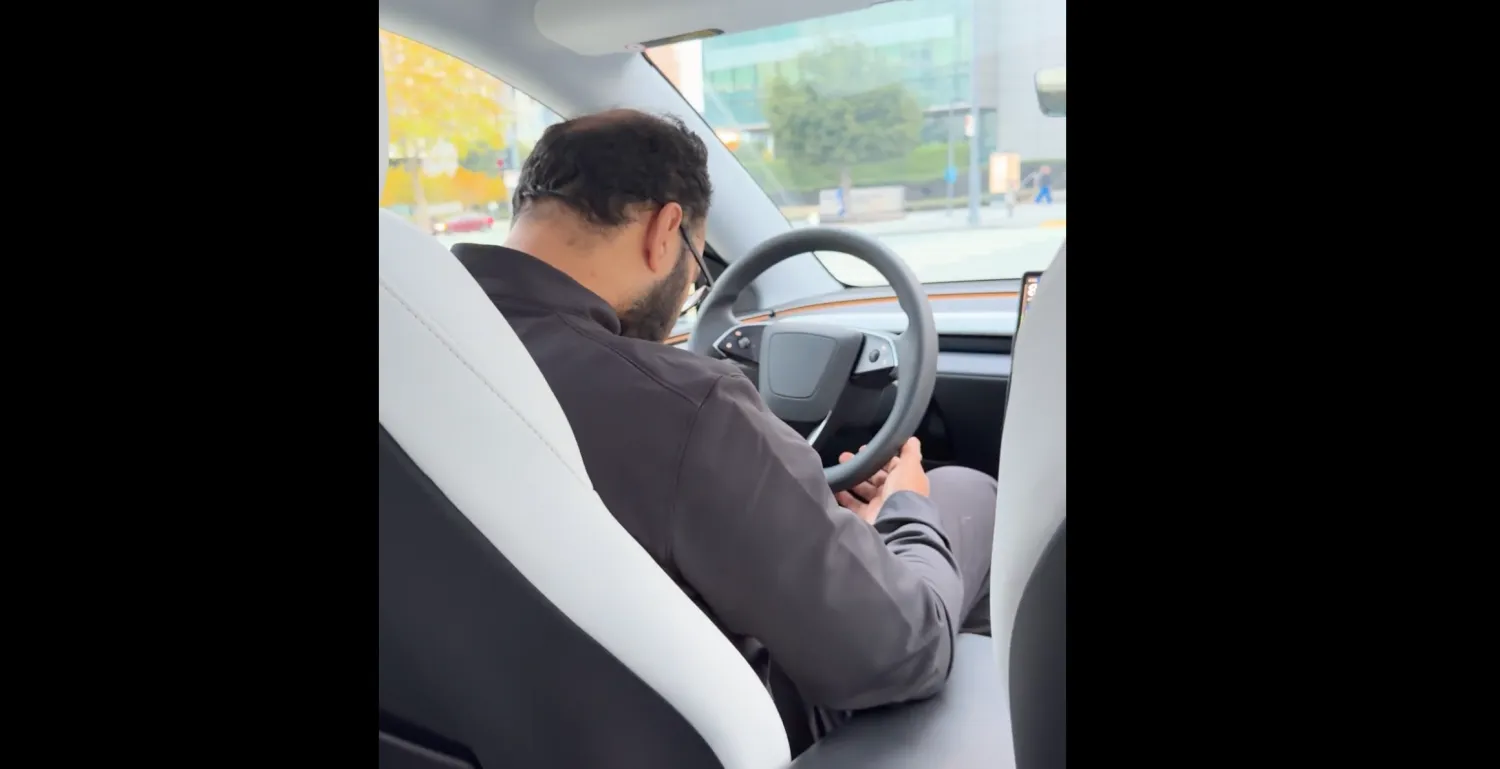
Key Takeaways
- A Tesla Robotaxi safety driver was caught sleeping while driving a passenger in San Francisco.
- Tesla’s Robotaxi service is operational in both San Francisco and Austin, but with different regulations.
- California enforces stricter autonomous-driving laws, requiring a level 4 autonomous status that Tesla hasn’t applied for.
- In Austin, the safety driver sits in the passenger seat due to less stringent regulations, raising safety concerns.
- The safety driver’s sleep episodes triggered an alert system, but it failed to prevent him from dozing off multiple times.
- A passenger reported the incident to Tesla but received no response after more than a week.
- Other users on Reddit reported similar experiences with the same driver falling asleep during rides.
The world of autonomous driving is rapidly evolving, with companies like Tesla leading the charge. However, as seen recently in San Francisco, issues such as safety and regulatory compliance are becoming increasingly significant. A Tesla Robotaxi safety driver was caught asleep while at the wheel, raising questions about the reliability and regulations governing these advanced technologies. This blog post delves into the intricacies of Tesla’s Robotaxi operations, safety concerns, and the varying regulations across different states.
Tesla’s Robotaxi service, though innovative, is subject to various operational and regulatory challenges. The service is available in select areas, notably San Francisco and Austin, but the distinctions between these locations reveal much about the complexities of autonomous vehicle deployment.
Differences Between San Francisco and Austin Operations
- California’s Stricter Regulations:
- California requires autonomous vehicles to meet a level 4 status, indicating high autonomous capability without human intervention. However, Tesla has not applied for this level due to its current technological readiness.
- This results in Tesla’s Robotaxi requiring a safety driver in the driver’s seat, resembling a level 2 Advanced Driver Assistance System (ADAS) rather than a fully autonomous vehicle.
- Austin’s Less Stringent Rules:
- In Austin, regulations are more lenient, allowing the safety driver to occupy the passenger seat. Despite this convenience, it poses added risks, as seen by the reported high crash rates.
The Sleeping Safety Driver Incident
This week, Tesla’s San Francisco Robotaxi service was involved in a concerning incident. A safety driver was caught on video falling asleep multiple times while transporting a passenger. Despite the alert system activating to wake him, the recurring issue persisted:
- System Failure:
- Tesla’s alert system, designed to prevent drivers from falling asleep, was inadequate in this situation. Its failure raised substantial alarms about the effectiveness of current safety measures.
- Lack of Urgent Response:
- The passenger reported the situation to Tesla through the app, yet after more than a week, no response was received, highlighting a gap in customer support and crisis management.
The Urgent Safety Concerns
Safety remains the most pressing issue in autonomous vehicle operations. Tesla’s current challenges include:
- Effectiveness of Safety Systems:
- While the alert system is designed to prevent driver inattentiveness, its apparent shortcomings call for further enhancements.
- Systems should preemptively alert and prevent such situations, rather than intervening when it’s almost too late.
- Backup Safety Protocols:
- Having a foolproof system to move the vehicle to safety if the driver is unresponsive can significantly mitigate such risks.
Regulatory Landscape
California vs. Texas: A Study in Contrasts
- California’s Rigid Framework:
- Requires comprehensive proof of level 4 capabilities, which Tesla has not attained. It highlights a cautious approach, prioritizing public safety and technological readiness.
- Texas’s Relaxed Approach:
- By permitting the transfer of the safety driver to the passenger seat, Texas embodies a more permissive environment for testing newer technologies. However, this increases the onus on manufacturers to ensure enhanced vehicle safety features.
Looking Forward: Suggestions for Improvement
To address these challenges, several actions can be considered:
- Enhanced Driver Monitoring Systems:
- Development of more reliable detection systems that proactively manage driver alertness.
- Improved Safety Protocols:
- Dual-alert systems or redundancy measures to ensure the vehicle’s quick halt during emergencies.
- Better Regulatory Collaboration:
- Crafting regulations that balance innovation with safety, learning from both strict and lenient state practices to implement nationwide standards.
Tesla’s journey with Robotaxis exemplifies the challenges automated vehicles face today. While regulations vary from state to state, a unified, robust framework can ensure safety without stifling technological progress. Tesla and similar companies must continue refining safety mechanisms to gain consumer trust and regulatory acceptance.