 Gary Zhou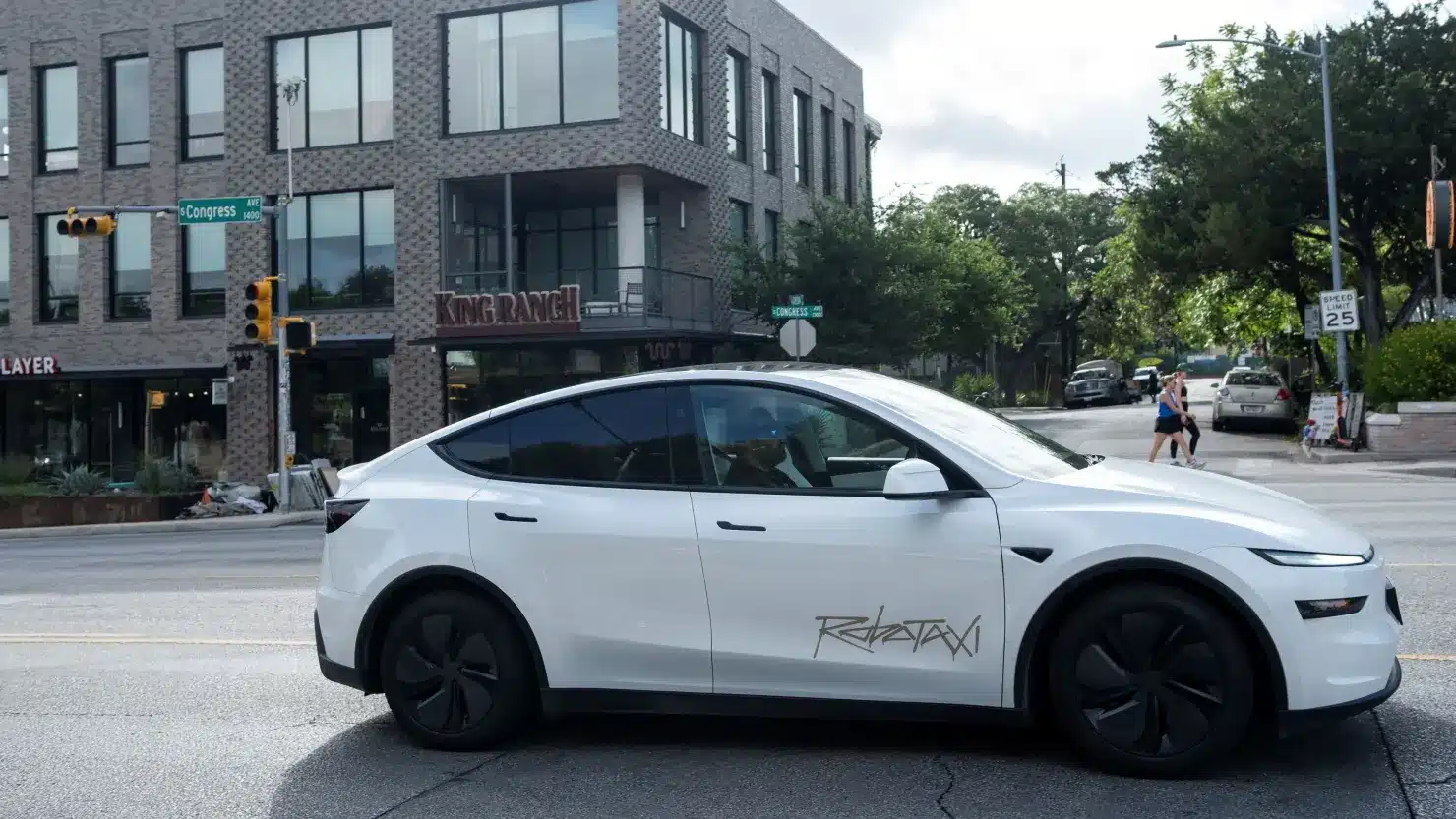
Key Takeaways
- NHTSA is seeking more details from Tesla regarding robotaxi incidents in Austin.
- Tesla’s recent robotaxi launch caused an 8% increase in its stock shares.
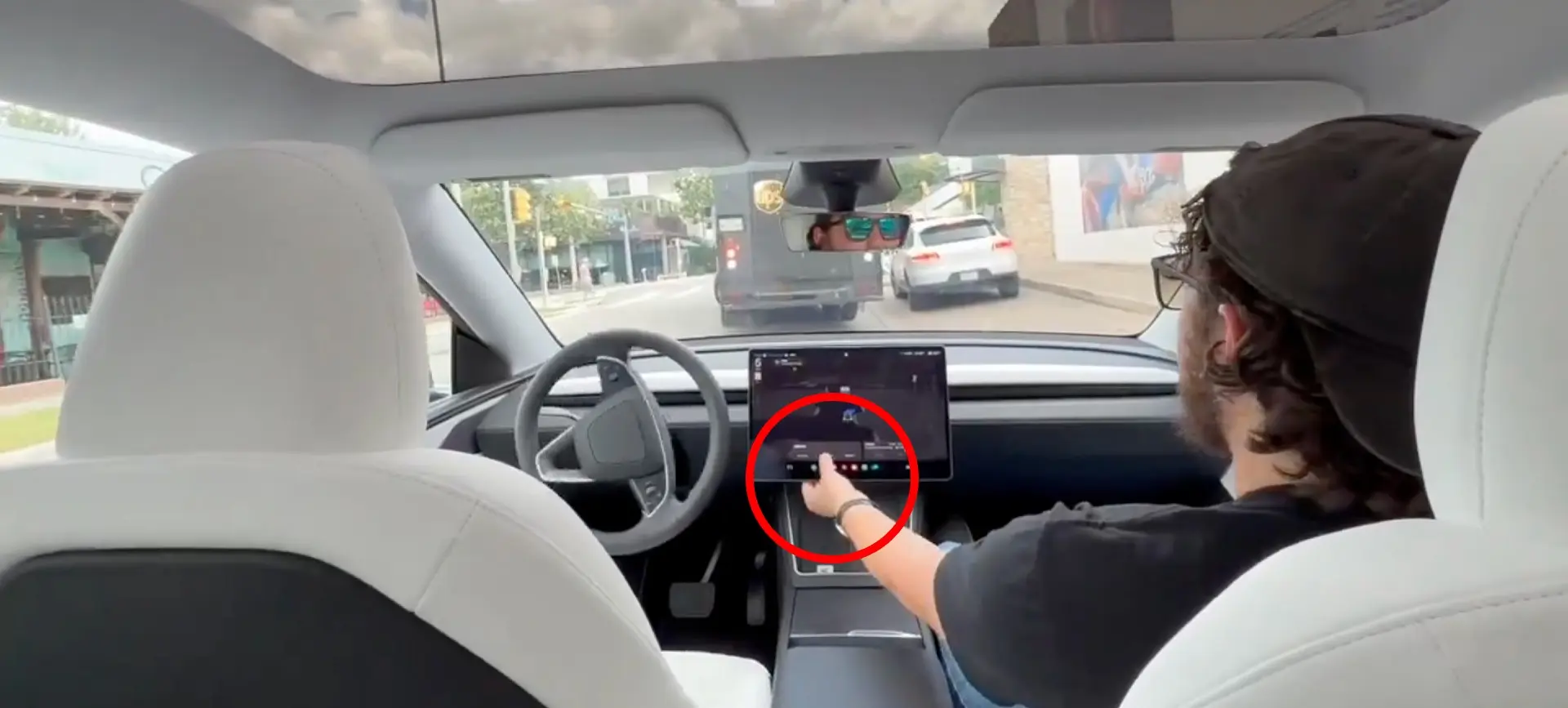
- Video evidence shows robotaxis behaving erratically, including driving the wrong way and hard braking.
- The robotaxis use Tesla’s newest FSD Unsupervised technology, supervised by a human.
- NHTSA does not pre-approve vehicle systems but investigates potential safety defects after incidents.
- The pilot service is invite-only, primarily for Tesla promoters and fans.
- Musk’s past promises of full autonomy within 3 years remain unfulfilled despite advancements.
The world of autonomous vehicles has long promised a revolution in how we approach transportation. Tesla, a pioneer in electric vehicles and automation, has recently taken another bold step with the launch of their robotaxi service in Austin. However, the launch did not go unnoticed, drawing both investor enthusiasm and regulatory attention. In this post, we will explore the incidents that led NHTSA to probe Tesla, assess the robotaxi service’s impact on Tesla’s stock, and delve into the cutting-edge technology driving these vehicles.
Understanding the NHTSA Probe
The National Highway Traffic Safety Administration (NHTSA) is a vital entity in assessing road safety in the U.S. Its initiative to seek more details from Tesla concerning robotaxi incidents in Austin underscores the fine balance innovators must maintain between advancing technology and ensuring safety. As videos surfaced showing Tesla’s robotaxis navigating erratically—sometimes going the wrong way or exhibiting unexpected hard braking—it became evident that even the most advanced systems may encounter substantial real-world challenges.
Key Incidents Leading to NHTSA’s Involvement
- Navigational Errors: Some vehicles reportedly traveled against traffic, raising alarms about potential software and sensor issues.
- Unexpected Braking: Instances of abrupt stops even while navigating clear paths prompted concerns over the detection and response systems involved in Tesla’s Full Self-Driving (FSD) stack.
These incidents are a stark reminder that while autonomous technology is advancing rapidly, it must be handled with a watchful eye to avoid potential safety hazards on public roads.
Impact of the Robotaxi Launch on Tesla Stock
Tesla’s launch of autonomous rides had a significant impact on its market dynamics, leading to an 8% surge in stock value. This spike highlighted investor confidence in Tesla’s continuous innovation streak despite operational challenges. The rise in shares reflects the market’s readiness to support ventures that push the envelope of technology, balancing known risks with potential long-term rewards.
Dissecting Tesla’s Autonomous Driving Technology
Tesla’s robotaxis are powered by the latest in its Full Self-Driving technology. Despite being unsupervised, these cars operate with a human valet present to ensure safety, highlighting the developmental phase the technology currently stands in.
Key Components of the FSD Technology
- Advanced Sensors and Cameras: These form the eyes and ears of the vehicle, crucial for detecting surroundings and interpreting traffic conditions.
- AI Navigation Systems: At the heart of FSD, AI systems process immense data to make real-time decisions.
- Continuous Learning Algorithms: These systems are trained to learn from every incident to improve future performance.
Although Tesla has yet to fulfill Elon Musk’s ambitious timeline for full autonomy, these technological components mark significant steps toward achieving a future dominated by autonomous vehicles.
The Future of Tesla’s Robotaxis
Despite the challenges faced by Tesla’s foray into autonomous public transport, the ongoing developments are a testament to human ingenuity and the spirit of innovation. The pilot, being invite-only, serves as both a controlled testing ground and a method to iterate and improve systems by gathering varied user experiences.
While it’s clear that Elon Musk’s vision for fully autonomous driving is still a work in progress, the current achievements speak to the strides being made and the market’s eagerness for an autonomous future highlighted by competitors such as Alphabet’s Waymo and China’s Apollo Go.