 Gary Zhou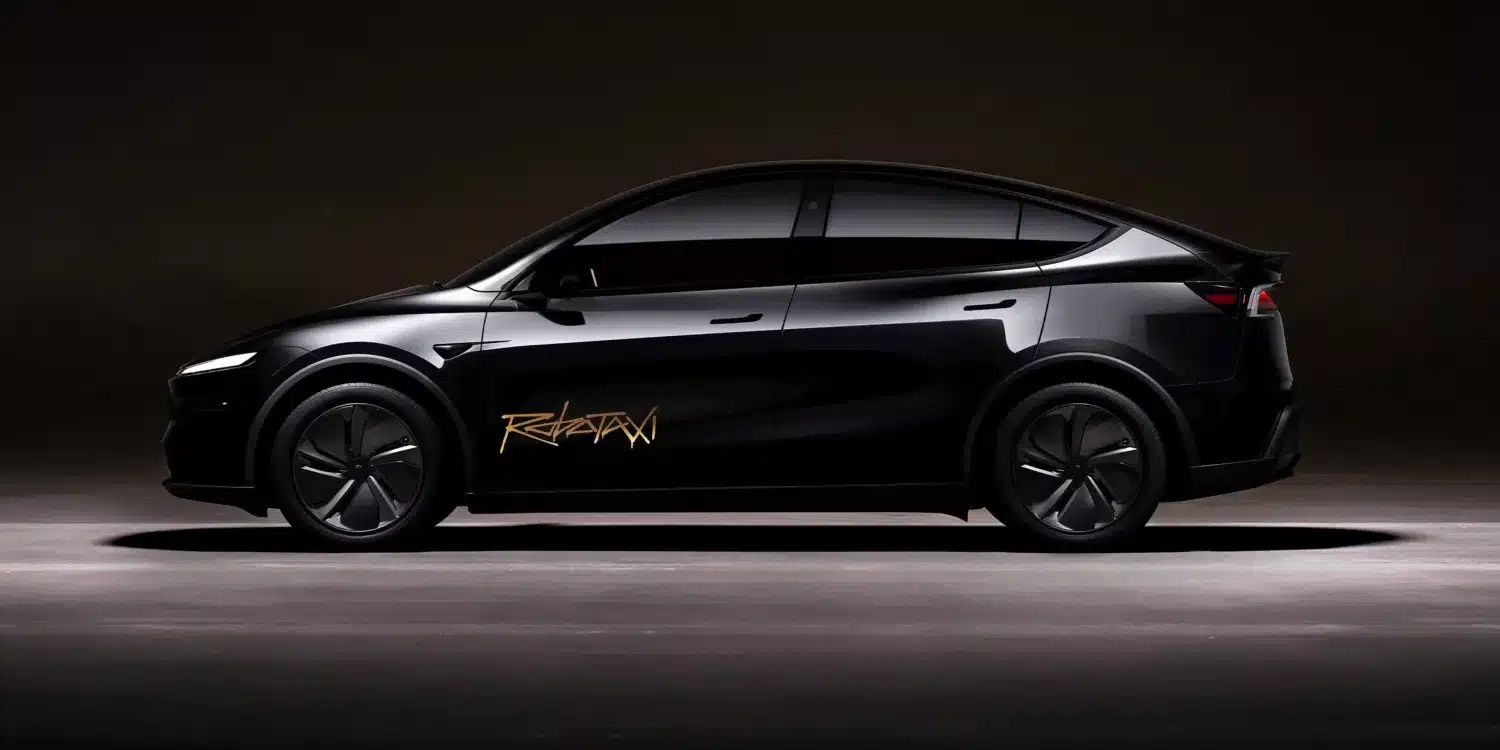
Key Takeaways
- Tesla has requested that NHTSA keep its response about Robotaxi details confidential.
- NHTSA is concerned about Tesla’s use of its ‘Supervised Full Self-Driving’ while it’s under investigation for crashes.
- Disturbing incidents from the Robotaxi’s first day include driving in the wrong lane and dropping passengers in dangerous spots.
- Tesla has been accused of withholding crucial crash data related to its Autopilot and Full Self-Driving systems.
- NHTSA’s investigation into Tesla’s FSD-Supervised/Beta program remains ongoing, ensuring compliance with safety standards.
- Public discussions suggest disappointment in Tesla’s lack of transparency, contradicting CEO Elon Musk’s statements on the importance of trust.
The world of self-driving cars is rapidly evolving, and at the forefront of this technological revolution is Tesla, led by its enigmatic CEO, Elon Musk. Recently, Tesla has made headlines once again, this time due to its controversial request to the National Highway Traffic Safety Administration (NHTSA) to keep its responses about the newly launched Robotaxi service confidential. This blog post delves into the intricacies of Tesla’s Robotaxi, the safety concerns it raises, and the broader implications for the future of autonomous vehicles.
NHTSA’s Concerns and Tesla’s Request for Confidentiality
Tesla’s ambitious Robotaxi service, primarily utilizing its ‘Supervised Full Self-Driving’ technology, was launched with much fanfare. However, not without scrutiny. The NHTSA, responsible for ensuring safety on America’s roads, expressed concerns over the program, especially due to the ongoing investigations into Tesla’s Full Self-Driving (FSD) systems following several crashes.
- Tesla’s Request for Secrecy:
The company’s decision to request confidentiality regarding its responses creates a contention point. While Tesla argues this is necessary to prevent financial harm, critics see it as another layer of opacity in evaluating the safety and efficacy of its autonomous technology. - NHTSA’s Safety Concerns:
The overriding issue lies in whether Tesla’s Robotaxi service is sufficiently safe for public roads. The NHTSA’s concern primarily revolves around the potential for catastrophic incidents involving faulty autonomous systems, such as those already observed during the initial deployments of Robotaxis.
Implications of the Robotaxi Mishaps
As much as self-driving technology promises a future of convenience and safety, recent incidents involving Tesla’s Robotaxis have turned the spotlight back onto reliability and risk management.
- Initial Operational Failures:
During its first day of commercial operations, Tesla’s Robotaxi reportedly engaged in potentially hazardous behavior, such as driving in the wrong lane and improperly dropping passengers. These issues underscore the challenge of transitioning from testing environments to real-world applications. - Transparency and Public Sentiment:
Tesla’s decision to withhold crash data furthers suspicion, provoking public and regulatory ire. The lack of transparency fuels debates on whether Tesla’s practices align with CEO Elon Musk’s public declarations about trust and transparency.
NHTSA’s Ongoing Investigations
The NHTSA remains vigilant, continuously assessing Tesla’s compliance with safety standards despite the company’s desire for privacy in its reporting.
- The Investigation’s Focus:
The investigation centers on whether Tesla’s autonomous systems can truly perform at the Level 4 autonomy required for commercial operation, without human oversight beyond initial safety measures like manual kill switches. - The Role of the NHTSA:
As a regulatory body, the NHTSA is tasked with a delicate balance—encouraging innovation while safeguarding public safety. The outcome of Tesla’s ongoing investigations might set a precedent for future autonomous vehicle regulations.
Conclusion: The Path Forward for Autonomous Vehicles
Tesla’s Robotaxi endeavor exemplifies both the promise and the perils of self-driving technology. While Tesla accelerates toward a world where autonomous cars are ubiquitous, the controversies surrounding its Robotaxi service illuminate a path fraught with regulatory and ethical challenges.
- Future Considerations:
- The personal and public safety of passengers and pedestrians.
- The economic impacts on Tesla and other companies reliant on autonomous technology.
- The ethical obligation of transparency in technology that directly impacts lives.
Ultimately, the evolution from driver-assistance to full autonomy must be predicated on trust, built through transparency and rigorous validation of safe operational standards.