 Gary Zhou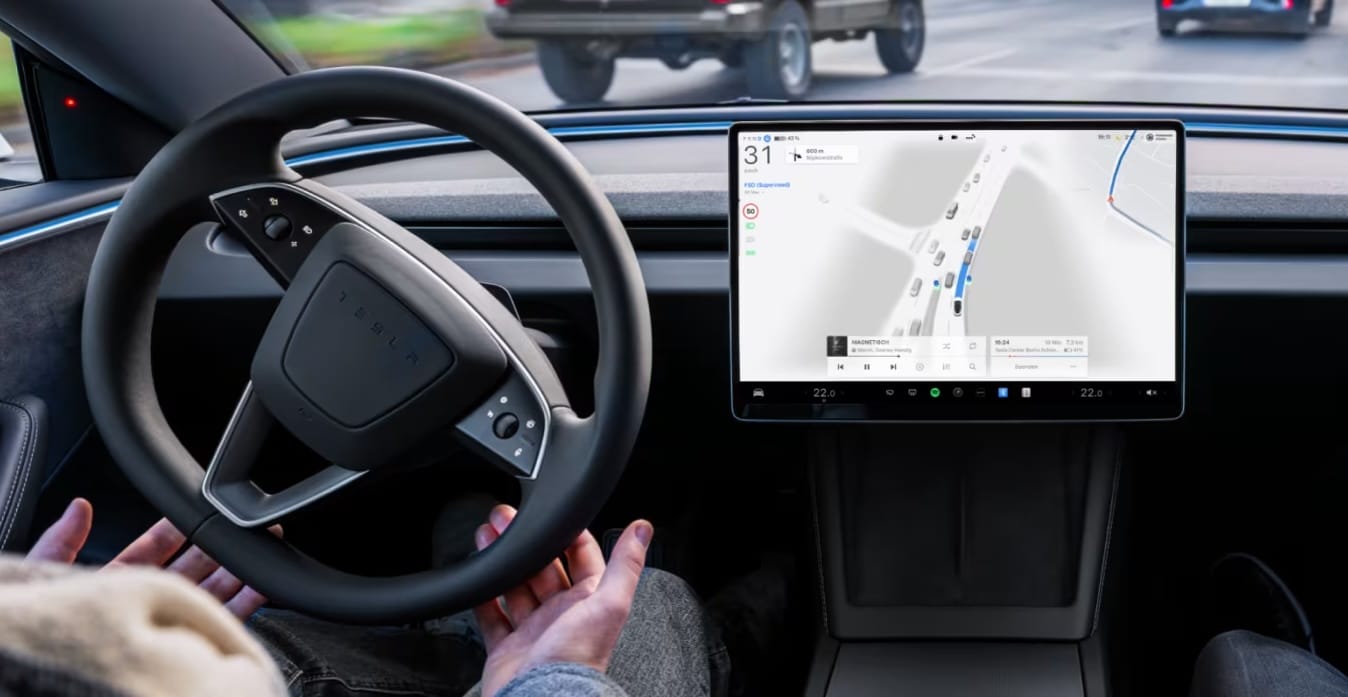
Key Takeaways
- Tesla has launched a gifting program for Full Self-Driving, allowing owners to gift one month of service for $112.
- The gift card can be used by recipients to experience semi-autonomous driving, which may convert them into long-term subscribers.
- The program supports Tesla’s strategy of letting potential customers experience their products, driving sales growth.
- The push for Full Self-Driving is linked to Elon Musk’s compensation incentives tied to subscription numbers.
In a bold and ingenious move, Tesla has introduced a unique gifting program that allows its car owners to share the experience of Full Self-Driving (FSD) with friends and family for a span of one month. This novel initiative is not only a step towards advancing automotive technology but also a clever strategy to bring more consumers into the Tesla ecosystem. Let’s delve into the details of this program, its implications for consumers and Tesla, and how it fits into the broader narrative of the company’s innovative approach to embracing the future of transportation.
Introducing the Full Self-Driving Gifting Program
Tesla’s new initiative enables current Tesla owners to purchase and gift a month-long subscription to the Full Self-Driving feature for just $112. This cost includes up to a 13% sales tax, but it is essential to note that pricing can vary depending on tax rate changes. The gift card, valued at $112, can be stored in the recipient’s Tesla Wallet and used towards the FSD or any other Tesla product or service that accepts gift card payments.
How It Works
- Purchase and Gifting: Current Tesla owners can visit Tesla’s online shop to purchase the one-month FSD subscription gift card.
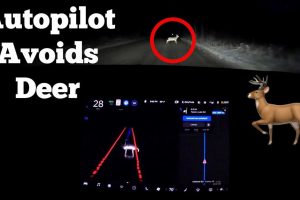
- Experience and Enjoy: Recipients can then redeem this gift, allowing their Tesla vehicles to utilize Tesla’s semi-autonomous driving capabilities with minimal intervention.
- Potential Conversion: The experience offered aims to convert the gifted trial into long-term subscriptions, benefitting Tesla in the long run.
Why Tesla’s Gift Offer Is a Game-Changer
- Consumer Exposure: This initiative aligns with Tesla’s “butts in seats” strategy, an effective marketing approach where direct exposure and experience with a product are believed to drive future purchases and subscriptions.
- Market Strategy: This program is a smart tactic to further Tesla’s reach. By letting non-users experience its FSD capabilities firsthand, Tesla is likely to increase its user base.
- Incentive for Expansion: Not only does this bring potential new customers into the fold, but it also incentivizes current owners to engage others, promoting natural word-of-mouth marketing.
Linking to Elon Musk’s Vision
The push for widespread adoption of Full Self-Driving technology goes beyond improving sales; it serves as a milestone in Elon Musk’s compensation plan. With tranches of his payout linked to achieving a defined number of active FSD subscriptions, this initiative further aligns the company’s growth with the personal objectives of its CEO.
Implications for the Automotive Industry
Tesla’s pioneering of such experiential marketing tactics could set a precedent for how automotive companies may market and deploy their own advanced technologies in the future. By giving potential customers a taste of the cutting-edge, companies can foster brand loyalty and facilitate technology adoption.
Looking Ahead: What This Means for Tesla’s Future
- Advancing Autonomous Driving: This move shows Tesla’s commitment to making autonomous driving more mainstream, pushing the envelope in both technical capability and consumer acceptance.
- Potential Challenges: While the gift card program is innovative, it also brings questions about legalities and consumer readiness for autonomous technology that must be addressed as part of broader societal conversations.
Tesla’s Full Self-Driving gifting program is more than just a promotion; it’s a strategic vision towards a future dominated by autonomous technology and a testament to Tesla’s understanding of the power of experiential marketing. As the program unfolds, it will undoubtedly provide insights and data that could shape the automotive industry’s trajectory towards a more autonomous, sustainable future.