 Gary Zhou
Key Takeaways
- The Model Y measures 188 inches long, 75.6 inches wide, 64 inches tall with a 113.8-inch wheelbase; Cybercab is ~175 inches long, 63 inches wide, and lower.
- Cybercab’s compact size aids urban maneuvering and parking compared to the taller, bulkier Model Y crossover.
- Model Y is family-oriented SUV with conventional doors, hood, glass roof, and ample cargo (up to 72 cu ft).
- Cybercab features no steering wheel/pedals, lounge-like cabin, wide-swinging doors, and sleek aerodynamic design.
- Cybercab’s rear hatch holds two carry-ons, prioritizing efficiency for two passengers over Model Y’s versatile storage.
- Model Y tops global sales for three years; Cybercab eyes surpassing it via low price, passive income, and full autonomy.
- Both vehicles advance Tesla’s autonomous future, with Cybercab as nimble robotaxi entering production soon.
Tesla’s Model Y has reigned supreme as the world’s best-selling vehicle for three consecutive years, blending family-friendly utility with electrified performance. ❶ ❷ But enter the Cybercab—a sleek, steering-wheel-less robotaxi designed for the autonomous era. Spotted recently parked next to a Model Y, this two-seater promises urban agility, lower costs, and passive income potential through Tesla’s ride-hailing network. ❷ As production ramps up at Giga Texas in early 2026, the Cybercab isn’t just a novelty; it’s Tesla’s bet on redefining personal and shared mobility. ❸
In this deep dive, we’ll compare their dimensions, cargo space, design philosophies, and real-world implications. Drawing from recent sightings, official specs, and production updates, I’ll share insights on why the Cybercab could outsell the Model Y—and advice for buyers eyeing Tesla’s future lineup.
Size Matters: A Head-to-Head Dimensions Breakdown
The most striking difference? The Cybercab’s pint-sized footprint optimized for city streets.
Length and Wheelbase – Shorter and Nimbler
- Model Y: Stretches 188.6–188.7 inches (4,794–4,797 mm) long with a 113.8-inch wheelbase, making it a midsize crossover ideal for highways. ❹ ❺
- Cybercab: Approximately 175 inches (4,445 mm) long—13–14 inches shorter—with a more compact wheelbase (exact figures pending, but estimates around 100–105 inches based on prototypes). ❶ ❻
Insight: This shrinkage translates to superior urban maneuvering. The Cybercab slips into tight parking spots like a sports car, reducing “parallel parking anxiety” in dense cities. For families, the Model Y’s extra length means easier grocery hauls or road trips. ❼
Width, Height, and Aerodynamics
- Model Y: 75.6 inches wide (excluding mirrors), 63.8–64 inches tall—bulkier for stability but taller for visibility. ❹
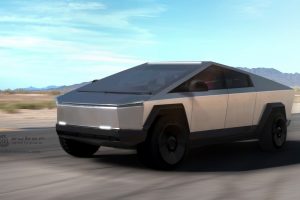
- Cybercab: Slender at ~63 inches wide and noticeably lower (under 60 inches, per visuals), with a teardrop shape for top-tier aerodynamics. ❶ ❽
Opinion: Cybercab’s low-slung profile isn’t just aesthetic—it’s engineered for efficiency, potentially boosting range to 300+ miles on a smaller battery. Model Y owners love the commanding perch, but Cybercab riders get a spaceship vibe.
| Dimension | Model Y | Cybercab | Winner for… |
|---|---|---|---|
| Length | 188.7 in | ~175 in | Cybercab (parking) |
| Width (excl. mirrors) | 75.6 in | ~63 in | Cybercab (lanes) |
| Height | 63.9 in | Lower (~58-60 in) | Model Y (visibility) |
| Wheelbase | 113.8 in | ~100-105 in (est.) | Model Y (stability) |
Passenger Comfort: SUV Hauler vs. Lounge Pod
Model Y is the family workhorse: five (or seven) seats, conventional doors, glass roof, and a frunk for toys. ❾ Cybercab flips the script with a lounge-like cabin for two: no dash clutter, ultra-wide butterfly doors, and buttery seats facing each other or forward. ❿
- Pros of Cybercab: Massive 21-inch screen, heated/ventilated seats (in production units), and ingress/egress like a limo—perfect for dates or duo commutes. ⓫
- Model Y Edge: Versatile seating for kids, car seats, and pets.
Advice: If you’re solo or coupled, Cybercab’s intimacy wins. Families, stick to Model Y until a 4+ seat robotaxi arrives.
Cargo Space: Utility Kings Collide
Don’t let Cybercab’s size fool you—it’s trip-optimized.
Raw Numbers
- Model Y: 30 cu ft behind rear seats, expanding to 68–76 cu ft folded + 4.1 cu ft frunk. Ideal for IKEA runs or vacations. ⓬ ⓭
- Cybercab: Rear hatch fits two carry-ons (~10-15 cu ft est.), no frunk needed for robotaxi duty. Under-seat storage adds flexibility. ❷
Insight: Cybercab prioritizes passenger efficiency over hauling. In Tesla’s network, it’ll earn $30k/year per vehicle—cargo be damned. ⓮ Model Y remains the cargo champ for personal use.
Manufacturing Marvel: Fewer Parts, Faster Production
Cybercab boasts 50% fewer parts than Model 3 and 60% fewer body components than Model Y, enabling “unboxed” assembly. ⓯ ⓰ Production kicked off February 2026 at Giga Texas, with first units rolling off the line and hundreds weekly targeted by April. ⓱ ❸ ⓲
Timeline Highlights:
- Reveal: October 2024
- First Production Unit: Feb 17, 2026 ⓳
- Mass Ramp: H1 2026, potentially 1 per 5 seconds vs. Model Y’s 33 seconds. ⓮
This efficiency could slash costs to under $30k, fueling robotaxi fleets.
The Business Case: Sales Showdown and Passive Income
Model Y dominates sales, but Cybercab eyes disruption via autonomy. Own one? Park it for ridesharing revenue—potentially eclipsing Model Y’s throne. ❻
My Prediction: By 2027, Cybercab fleets will flood cities, while Model Y evolves into a hybrid personal/fleet vehicle.
Which Should You Buy? Expert Recommendations
- Choose Model Y if: Family needs, cargo demands, or you crave manual control (320+ mile range, AWD options).
- Pre-order Cybercab if: Urban dweller, investor in autonomy, or futurist seeking $0.20/mile rides.
- Pro Tip: Wait for FSD v13+ unsupervised; test Cybercab via Tesla app once deployed.