 Gary Zhou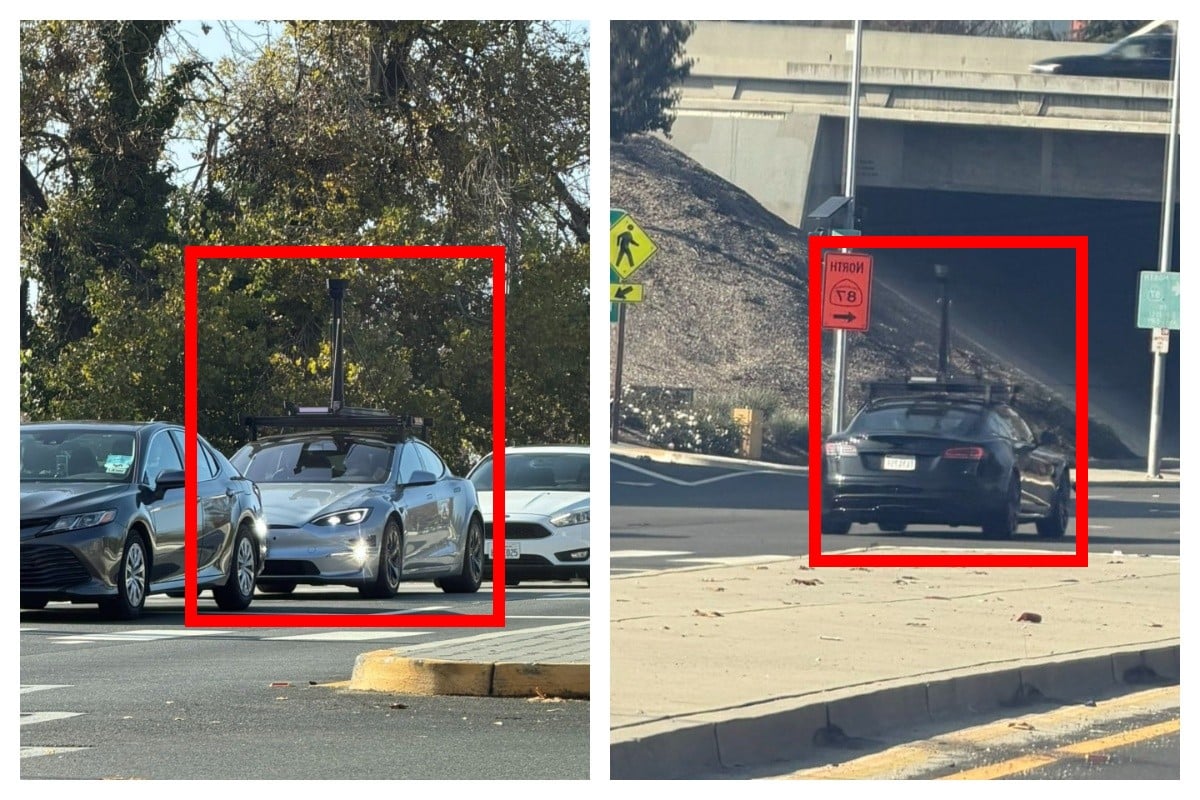
Key Takeaways
- Tesla Model S is undergoing validation testing with LiDAR rigs in California, a significant shift from the usual Model Y.
- The inclusion of the Model S suggests a potential expansion of Tesla’s Robotaxi fleet to include more premium offerings.
- The Model S could serve a luxury market similar to Uber Black, appealing to riders looking for a premium transportation experience.
- CEO Elon Musk acknowledged the sentimental value of the Model S and Model X, indicating they will remain in production for now, despite lower volume.
- The speculation about the Model S joining the Robotaxi fleet highlights its luxurious features and capabilities akin to the Model Y.
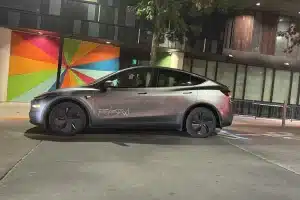
Tesla continues to push the boundaries of innovation and luxury with its new phase of development involving the Model S. Recently, Model S vehicles equipped with LiDAR rigs were seen undergoing validation testing in California. This move marks a significant departure from Tesla’s typical reliance on the Model Y for its Robotaxi fleet and hints at exciting new possibilities for Tesla’s transportation offerings.
The Pioneering Use of LiDAR on Tesla Model S
For years, Tesla has utilized the Model Y in its autonomous Robotaxi fleet due to its size, popularity, and versatility. However, the shift of incorporating the Model S into this equation, specifically with the use of LiDAR technology, is noteworthy. LiDAR, or Light Detection and Ranging, is a technology that measures distances using laser light and is key to facilitating precise and reliable autonomous navigation.
Tesla’s Potential Expansion into Premium Robotaxi Offerings
The strategic deployment of Model S in this new role could symbolize a significant expansion into the premium sector of automated ride-hailing services, akin to Uber Black or Lyft Lux. Such a shift would allow Tesla to cater to a market segment interested in more luxurious transportation options by providing the comfort, sophistication, and state-of-the-art technology that the Model S embodies.
Key Reasons Behind Integrating Model S:
- Customer Appeal: The Model S, with its high-end features, would attract customers seeking a more luxurious ride, potentially at a higher price point.
- Enhanced Experience: Enhanced by its spacious interior, sleek design, and superior performance metrics, the Model S offers a distinctively upmarket experience compared to standard options.
Elon Musk’s Sentimental Attachment and Business Savvy
Interestingly, despite the lower production volume, CEO Elon Musk has maintained a certain affinity for both the Model S and X, citing sentimental reasons as a factor for their continued production. However, embedding these models into the Robotaxi framework could effectively justify their presence by leveraging their unique qualities for niche market penetration.
The Sentimental Values:
- Heritage: The Model S represents a pioneering phase of Tesla’s history, being one of the first comprehensive electric sedans that redefined public perception of electric vehicles (EVs).
- Innovation Legacy: It underscores Tesla’s commitment to ongoing innovation and remains a testament to Tesla’s journey and evolution.
What This Means for Consumers and Tesla’s Future
The potential inclusion of the Model S in Tesla’s Robotaxi lineup could transform into a win-win scenario. For consumers, it offers an elevated travel experience, combining the efficiency of autonomous driving with high-end comfort. For Tesla, it opens a lucrative revenue stream, presenting an opportunity to capture the high-end segment of the autonomous ride-sharing market.
A New Era of Autonomous Luxury Rides
In essence, Tesla’s decision to test the waters with the Model S in the Robotaxi domain is a strategic move towards marrying luxury with automation. As the transportation landscape continues to evolve, Tesla is not just keeping pace with change but setting new trends—in evocative style.