 Gary Zhou
Key Takeaways
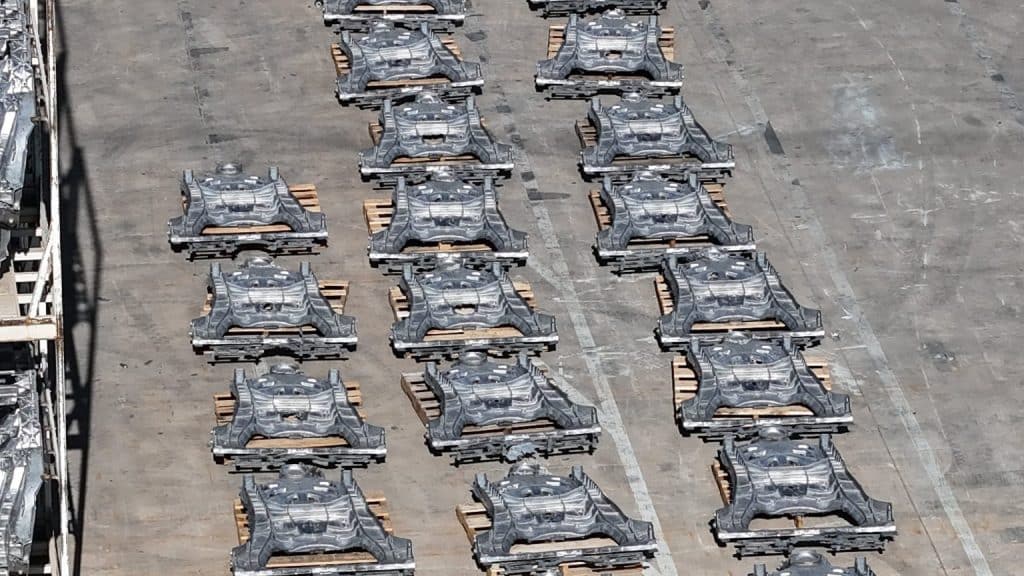
- Tesla’s Gigafactory in Texas is manufacturing new castings for the upcoming Cybercab, distinct from those used for the Model Y and Cybertruck.
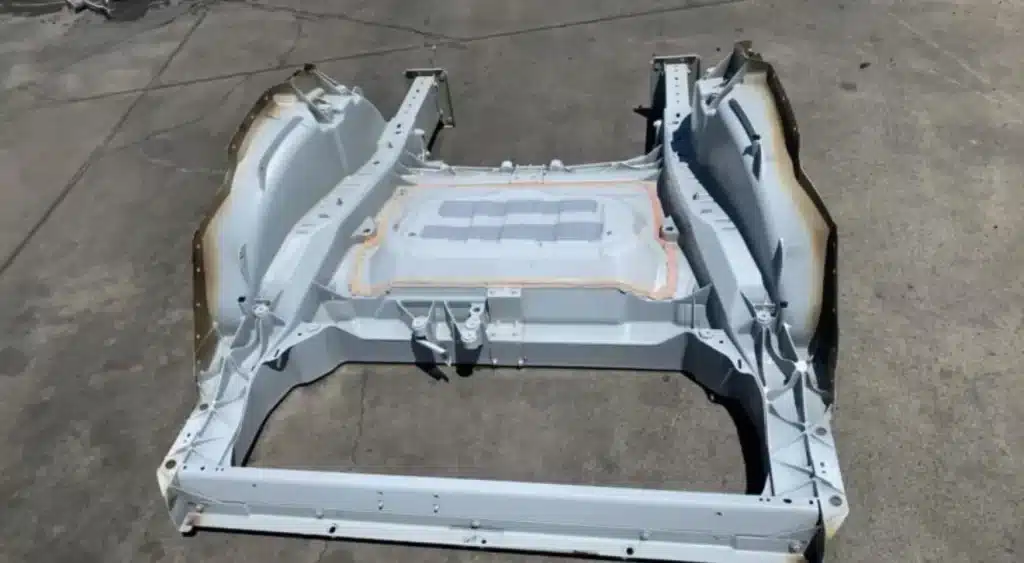
- Joe Tegtmeyer’s photos reveal the castings’ shapes align with Tesla’s unboxed production process aimed at producing single-piece castings.
- Tesla plans to begin prototype builds of the Cybercab this summer and aims for volume production by 2026.
- CEO Elon Musk highlighted the innovative production line for the Cybercab as resembling a high-speed electronics assembly line, emphasizing its efficiency.
- Tesla is set to launch its first commercial robotaxi services around Austin, Texas, this summer, alongside its Full Self-Driving (FSD) system Unsupervised.
Tesla’s Unboxed Production: A Revolutionary Approach
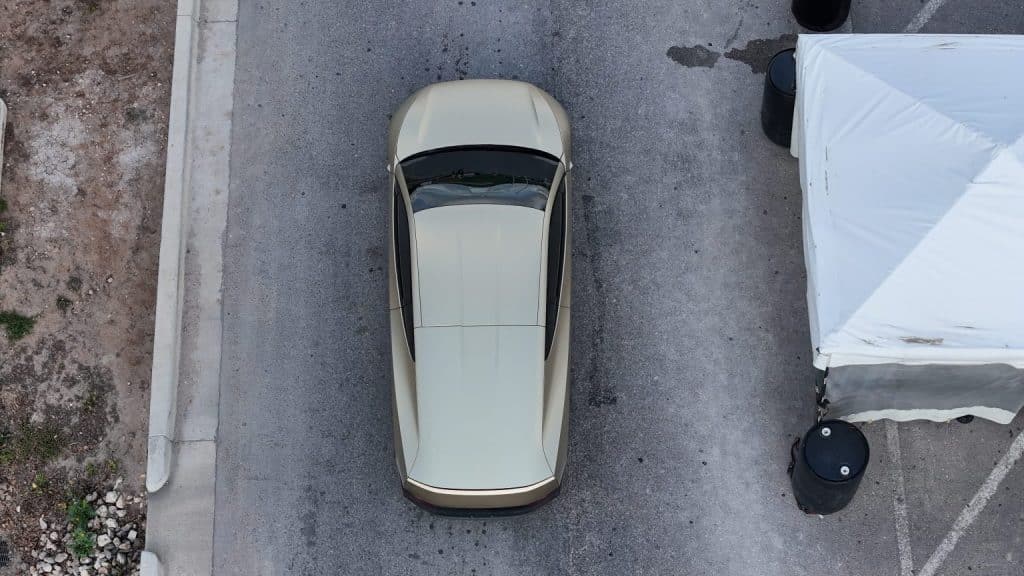
Tesla has always been at the forefront of automotive innovation, and their latest endeavor with the Cybercab is no exception. The Gigafactory in Texas has been busy producing new, unique castings for the Cybercab, distinct from the ones used for the Model Y and Cybertruck. This development marks a significant milestone in Tesla’s march towards revolutionizing the manufacturing process.
What is the Unboxed Production Process?
The unboxed production process is designed to create single-piece castings for vehicles. This method stands in stark contrast to traditional car manufacturing, where multiple parts are assembled. Photos shared by Joe Tegtmeyer showcase the distinct shape of these castings, aligning perfectly with Tesla’s innovative production strategy, which aims for efficiency and precision.

Prototype Builds and Production Timeline
According to announcements from Tesla, prototype builds of the Cybercab are slated to commence this summer, with volume production targeted for 2026. This timeline not only highlights Tesla’s commitment to innovation but also sets the pace for other automakers aspiring to transform their production lines.
Efficiency Meets Innovation
Elon Musk, Tesla’s CEO, has emphasized the Cybercab’s production line’s efficiency, comparing it to a high-speed consumer electronics assembly line. This analogy highlights the speed and precision intended for the Cybercab production, facilitating the rapid output of vehicles in under five seconds, a feat previously unheard of in the automotive industry.
Launching Robotaxi Services in Austin
In addition to Cybercab production, Tesla is gearing up to launch its first commercial robotaxi services around Austin, Texas, this summer. The introduction of these services, alongside advancements in Full Self-Driving (FSD) technology, marks Tesla’s foray into transforming urban transportation.
What Does This Mean for Urban Mobility?
The robotaxi services promise to redefine commuting options in urban settings, offering an autonomous, efficient, and eco-friendly alternative to current transportation methods. As cities continue to grow, Tesla’s robotaxis could provide a scalable and sustainable solution to congestion and emissions challenges.
Key Advantages of Tesla’s Cybercab Initiative
- Single-Piece Castings: Simplifies the manufacturing process, reducing assembly time and potential error.
- Increased Production Speed: The high-speed assembly line approach increases efficiency and output.
- Autonomous Driving: Introduction of the Unsupervised FSD system enhances vehicle autonomy, paving the way for fully driverless operation.
- Environmental Impact: By reducing manufacturing waste and promoting electric vehicles, Tesla continues to lead in eco-friendly innovation.
Tesla’s ongoing developments at the Gigafactory in Texas with the Cybercab project are nothing short of groundbreaking. By pushing the boundaries of what’s possible in vehicle manufacturing and urban transportation, Tesla is not only setting new industry standards but also paving the way for a more sustainable and technologically advanced future.
As the automotive industry evolves, Tesla’s Cybercab initiative represents a key chapter in the ever-changing narrative of personal and shared mobility. With the promise of more efficient production and autonomous driving capabilities, the future of transportation has never looked more promising.