 Gary Zhou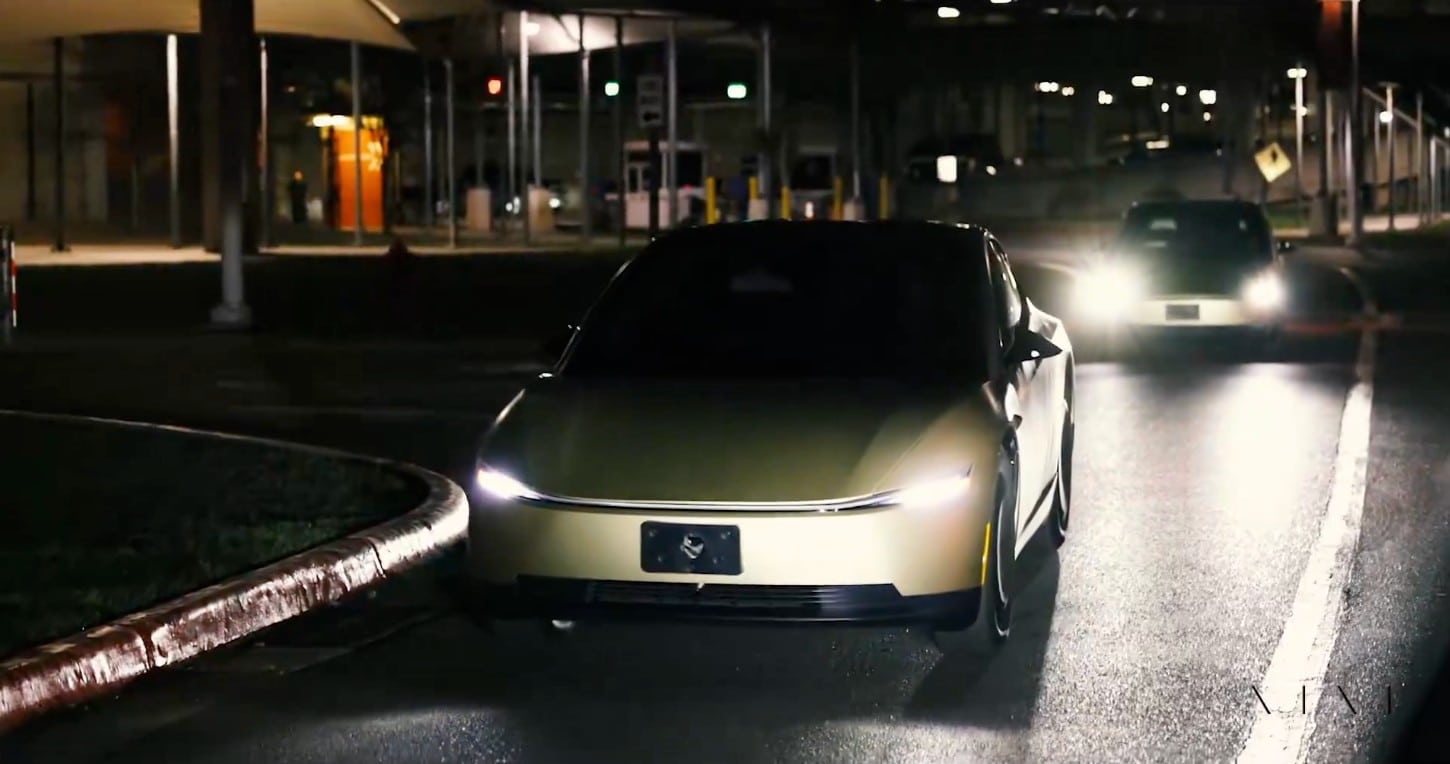
Key Takeaways
- Tesla has expanded its Cybercab test fleet to a total of seven units, operating in Austin and the Bay Area.
- Test production phases for the Cybercab have begun at Gigafactory Texas, aiming for early production stages.
- The Cybercab is designed to operate without a steering wheel or pedals, targeting Level 5 autonomy for public use.
- The Robotaxi fleet now consists of 139 vehicles, primarily Model Y units, alongside the newly added Cybercabs.
Tesla has consistently captured public imagination with its innovative approach to the automobile industry. Building on its reputation for boundary-pushing innovations, Tesla is expanding its Cybercab test fleet to new frontiers. With deployments now in both Austin and California’s Bay Area, the Cybercab may redefine how we perceive urban transportation.
Unveiling the Cybercab: A New Addition to Tesla’s Suite
As Tesla ventures deeper into the realm of autonomous vehicles, its latest endeavor—the Cybercab—marks a significant milestone. As of now, seven Cybercabs are actively undergoing testing across two major hubs—Austin, Texas, and the Bay Area of California, famously known for being at the forefront of technological advancement. This strategic move not only enhances Tesla’s visibility in key innovation ecosystems but also paves the way for widespread adoption.
Headway in Test Production
Production at the Gigafactory Texas is already underway, with Elon Musk hinting at the start of initial production phases. This development marks an eagerness to scale operations and transition from testing to eventual public introduction. Although a specific release timeline remains unannounced, these preparatory stages are crucial in ironing out potential hiccups and optimizing performance.
A Leap Toward Full Autonomy
Perhaps the most remarkable feature of the Cybercab is its design overhaul—one that omits traditional driving tools such as a steering wheel or pedals. Tesla aims to achieve Level 5 autonomy, which represents the pinnacle of vehicle self-sufficiency. At this level, a car can manage all aspects of driving without human interaction, negating the typical requirements for navigational aids.
Breakthrough Versus Other Tesla Models
The primary distinction between Cybercab and existing Tesla models lies in its envisioned fully autonomous capability. While most cars, like the Model Y predominant in the Robotaxi fleet, rely on an autopilot function with a human oversight requirement, the Cybercab aims to independently navigate urban landscapes. Therefore, it’s crucial to assess its technological innovations, such as advanced sensor systems and AI algorithms, which differentiate it from its counterparts.
The Comprehensive Robotaxi Fleet
The expansion of the Cybercab doesn’t occur in isolation. Incorporating this vehicle into an already substantial fleet of 139 units, primarily composed of Model Y units, emphasizes Tesla’s commitment to a robust autonomous vehicle network. It is a promising step as Tesla shapes the dynamics of future travel—making it safer, more sustainable, and less dependent on human intervention.
When Will We See the Cybercab in Action?
While patience is a virtue, the anticipation surrounding Tesla’s Cybercab is palpable. The public eagerly awaits a timeline for its official rollout, which hinges significantly on the success of these testing phases. As such, Tesla’s pursuit of safe and reliable autonomy continues to blaze a trail for competitors and inspire hope for a seamless, futuristic transit system.