 Gary Zhou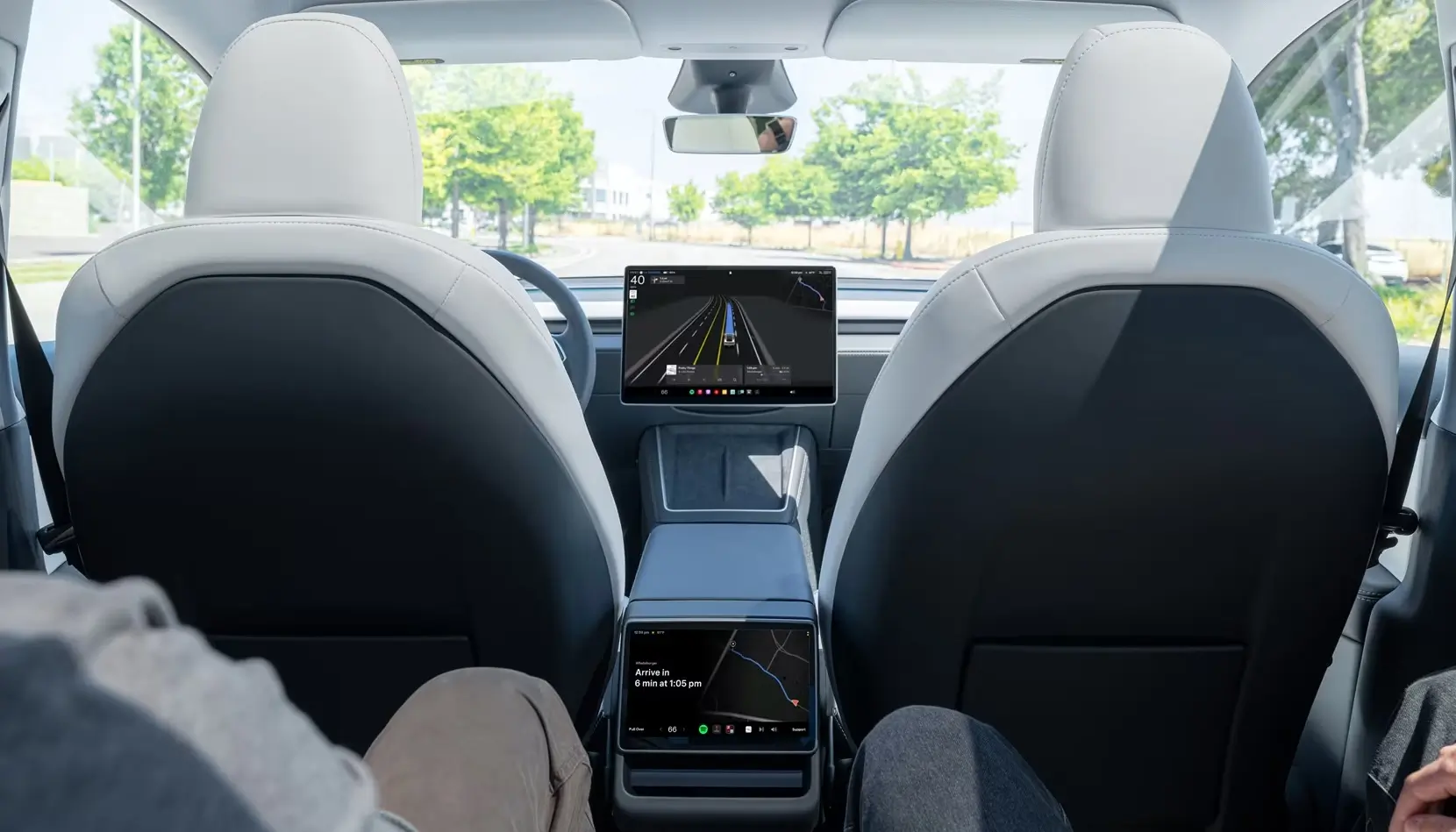
Key Takeaways
- Tesla has expanded its Robotaxi platform to the Bay Area, the second U.S. city for its ride-sharing service.
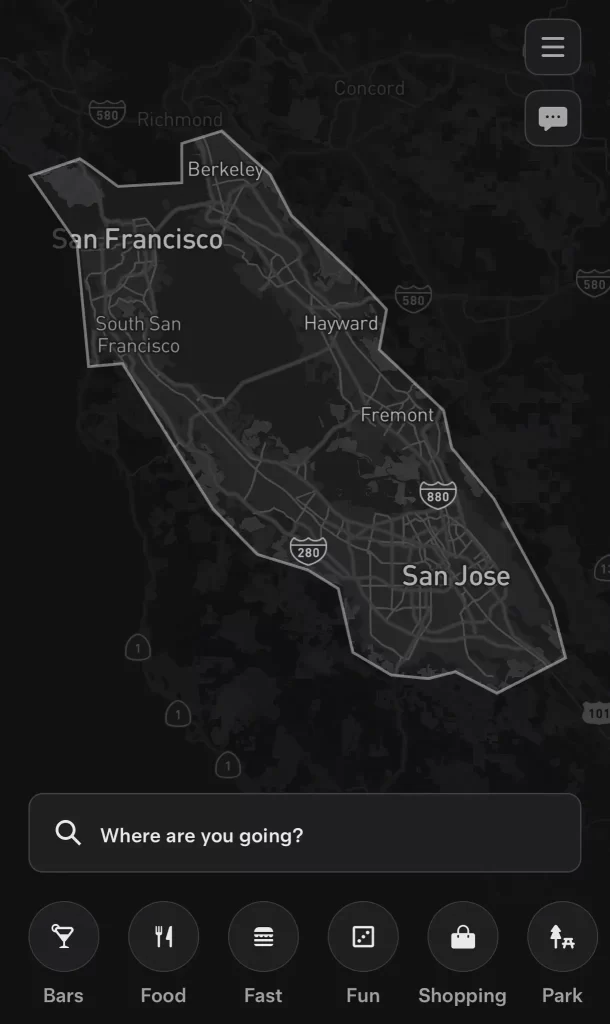
- The Bay Area’s geofence is larger than Austin’s, covering 65 miles and extending from north of San Francisco to below San Jose.
- In the Bay Area, a human driver will be present during rides, unlike the Austin model which only has a Safety Monitor.
- Tesla aims to have the Robotaxi service accessible to half of the U.S. population by the end of the year, with plans to expand to more cities soon.
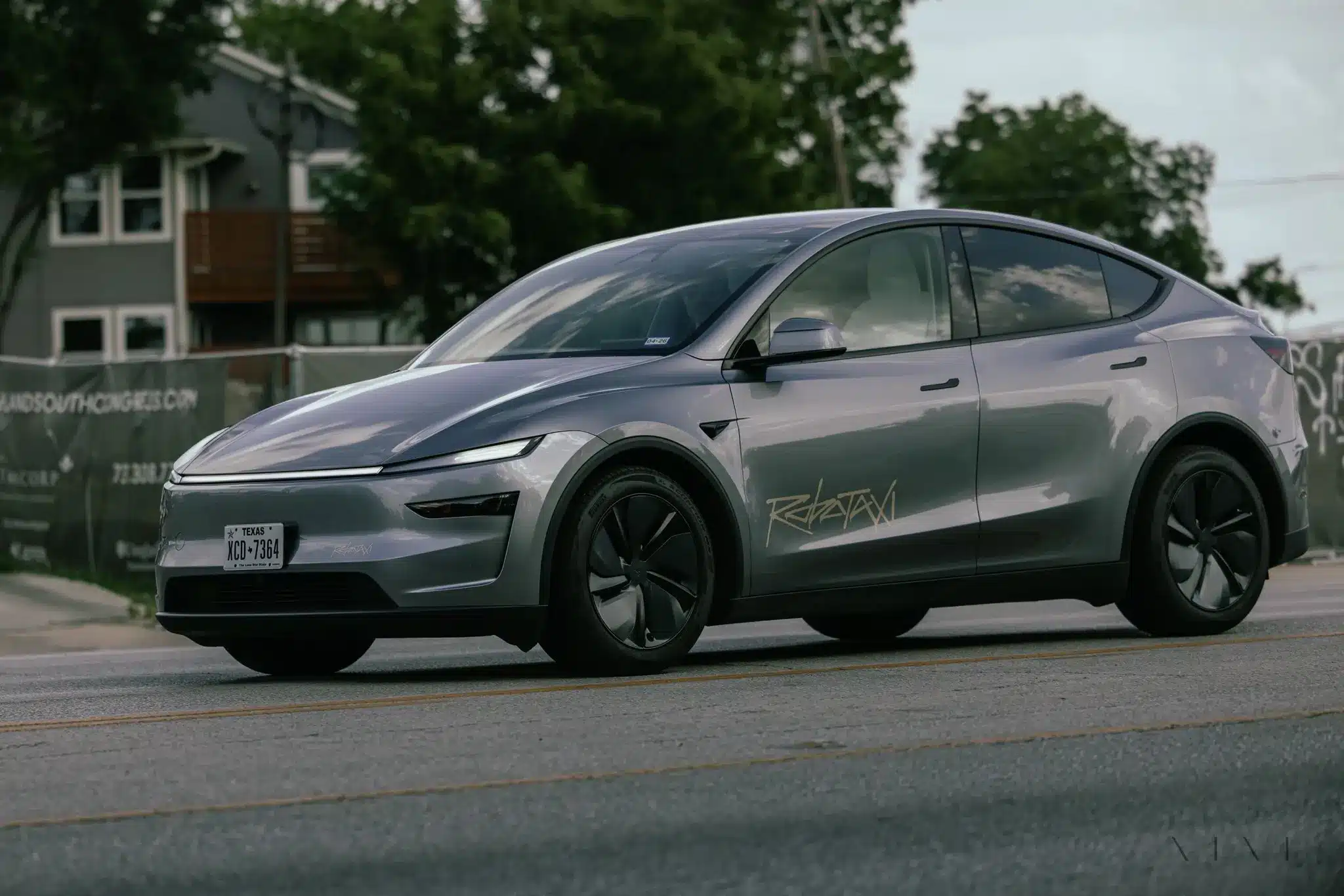
Tesla’s foray into the ride-hailing market with its Robotaxi network marks a transformative chapter in the company’s journey towards sustainable transportation. Recently, Tesla has expanded this futuristic service to California’s Bay Area, creating ripples across the tech and transportation industry. This blog post delves into the specifics of Tesla’s Robotaxi operations in the Bay Area, comparing them with the initial rollout in Austin, Texas, and exploring the potential implications for the broader U.S. market.
Understanding Tesla’s Robotaxi Expansion to the Bay Area
Tesla’s decision to extend its Robotaxi service to the Bay Area is a strategic move, adding a new dimension to the region known for technological innovation and high adoption rates of electric vehicles. Here’s why this expansion is significant:
The Strategic Choice of Location
- A Tech-Savvy Market: The Bay Area is not only a hub for innovation but also home to some of Tesla’s most loyal customers. This makes it an ideal location for pioneering new technology.
- Larger Geofence: Tesla has demarcated a significantly larger operational area in the Bay Area compared to its initial launch in Austin. This geofence stretches approximately 65 miles, from north of San Francisco to south of San Jose, encompassing diverse urban landscapes.
Operational Nuances
The Robotaxi service in the Bay Area and Austin exhibit distinct operational differences tailored to each city’s unique requirements:
- Driver Presence: Unlike in Austin, where a Safety Monitor occupies the passenger seat with no driver, Tesla’s Bay Area operations include a human driver at the wheel. This decision aligns with local regulatory requirements and ensures passenger safety while still leveraging Tesla’s Full Self-Driving (FSD) technology.
- Service Perception: Despite the presence of a human driver, Tesla continues to categorize this initiative under its Robotaxi portfolio, referring to it as a “ride-hailing service” in this phase.
Tesla’s Vision: Expanding Robotaxi Across the U.S.
Elon Musk’s ambition for Tesla’s Robotaxi service does not end in Austin or the Bay Area. The vision is national and possibly global. Here’s what Tesla aims to accomplish:
- Expansion Plan: Musk has indicated plans for further city additions, aiming for half of the U.S. population to have access to the Robotaxi service by the end of the year.
- Scalability: The strategic rollout in carefully selected cities allows Tesla to scale operations effectively while managing technological advancements and regulatory compliance.
- Market Leadership: With self-driving technology at its core, Tesla positions itself as a leader in the burgeoning autonomous vehicle market, setting benchmarks for other automakers and technology companies.
Why Tesla’s Robotaxi Matters
Tesla’s Robotaxi service is more than just a novel idea; it represents a fundamental shift in urban mobility and transportation:
- Reduction in Emissions: By replacing conventional ride-hailing fleets with EVs, Tesla’s approach aligns with global sustainability goals.
- Urban Planning: A successful Robotaxi fleet can alleviate urban congestion, transform city landscapes, and influence future urban planning initiatives.
- Economic Implications: The wide adoption of Robotaxi services may significantly reduce the cost of transportation, providing financial relief to urban dwellers.
Driving Towards a Futuristic Vision
Tesla’s Robotaxi network is a testament to the transformative potential of autonomous vehicles. As Tesla continues to expand its reach across the United States, its success could pave the way for a new era in mobility, where travel is not just convenient and sustainable, but also autonomous. The Bay Area rollout is a glimpse into this visionary future, and with the planned expansions, it’s only the beginning.