 Gary Zhou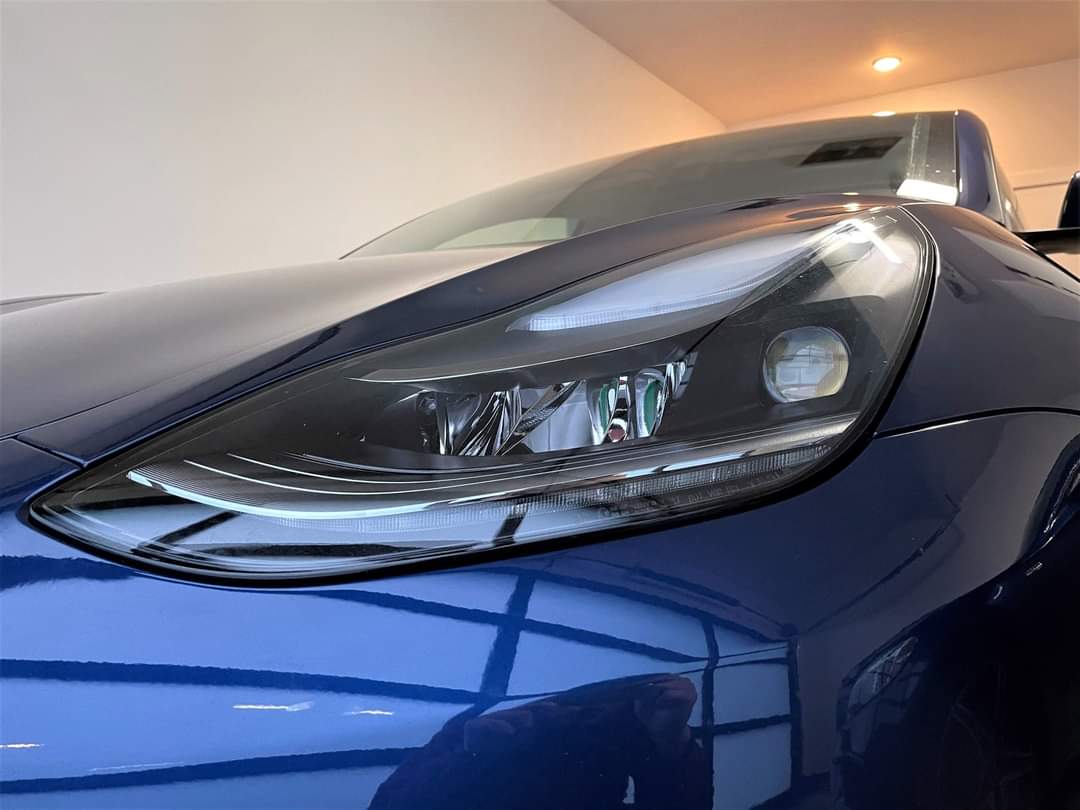
Key Takeaways
- Tesla confirms the rollout of a critical new feature, Adaptive Headlights, in the United States for the first time.
- This feature is available for Model S, Model 3, Model X, and Model Y vehicles equipped with the appropriate hardware.
- Previously, European Tesla owners had access to this feature, but it awaited U.S. approval.
- Initially, Cybertruck was expected to have Adaptive Headlights, but Tesla VP Lars Moravy later confirmed it won’t due to hardware constraints.
- Adaptive Headlights improve driver visibility and reduce glare for oncoming traffic, enhancing road safety.
- The rollout of this feature is part of Tesla’s Spring Update for 2025.
As technological advancements continue to shape the automotive industry, Tesla consistently emerges as a pioneer. With the introduction of Adaptive Headlights now rolling out in the United States, Tesla reaffirms its commitment to enhancing vehicle safety and driving experience. This new feature heralds a significant shift in how lighting technology can contribute to driver safety and comfort.
Understanding Adaptive Headlights
Adaptive Headlights are an advanced lighting system designed to enhance vehicle safety by optimizing visibility. Unlike standard auto high beams, Adaptive Headlights adjust the light distribution from the headlights to highlight the driver’s path while minimizing glare for oncoming traffic. By dimming specific pixels of the beam, these headlights ensure that the crucial areas are illuminated without disturbing other drivers, consequently reducing the risk of accidents due to temporary blindness.
Key Benefits of Adaptive Headlights
- Enhanced Visibility: The main advantage is the significant improvement in visibility for the Tesla driver, especially in challenging driving conditions at night or during poor weather.
- Increased Safety for All Road Users: By reducing glare, these headlights enhance the safety of oncoming drivers and pedestrians alike, fostering a safer driving environment.
- Better Integration with Modern Vehicles: Adaptive Headlights work in concert with Tesla’s suite of advanced driver-assistance systems to maintain optimal visibility and safety.
Rollout in the United States
Initially available to European Tesla owners, Adaptive Headlights faced regulatory hurdles before their release in the United States. The approval signifies an important step in enhancing vehicle safety standards across the country, positioning Tesla as a leader in implementing advanced technologies that make driving safer and more comfortable.
Eligible Tesla Models and Hardware Requirements
Tesla is introducing this feature to several models, including Model S, Model 3, Model X, and Model Y, provided they are equipped with the appropriate hardware. This underscores the importance of Tesla’s Over-the-Air update capability, which enables vehicles to receive significant improvements over time without requiring physical dealership visits.
The Cybertruck Conundrum
Initially, there was much anticipation about the inclusion of Adaptive Headlights in the upcoming Cybertruck model. However, Tesla’s VP of Vehicle Engineering, Lars Moravy, clarified that the Cybertruck wouldn’t feature these headlights. The reason cited was an inability to accommodate the necessary hardware within the Cybertruck’s design. This decision may disappoint prospective Cybertruck owners but reflects the engineering constraints and the need for future innovation to potentially address these limitations.
Tesla’s Vision for the Future
The rollout of Adaptive Headlights in the United States is part of Tesla’s broader Spring Update for 2025, which promises to introduce numerous features aimed at enhancing user experience and vehicle functionality. This update is a testament to Tesla’s commitment to safety and innovation.
Tesla’s introduction of Adaptive Headlights in the United States reaffirms its role as a trailblazer in automotive technology. By prioritizing driver safety and pushing the boundaries of what vehicles can do, Tesla continues to set the standard for future innovations in the industry.