 Gary Zhou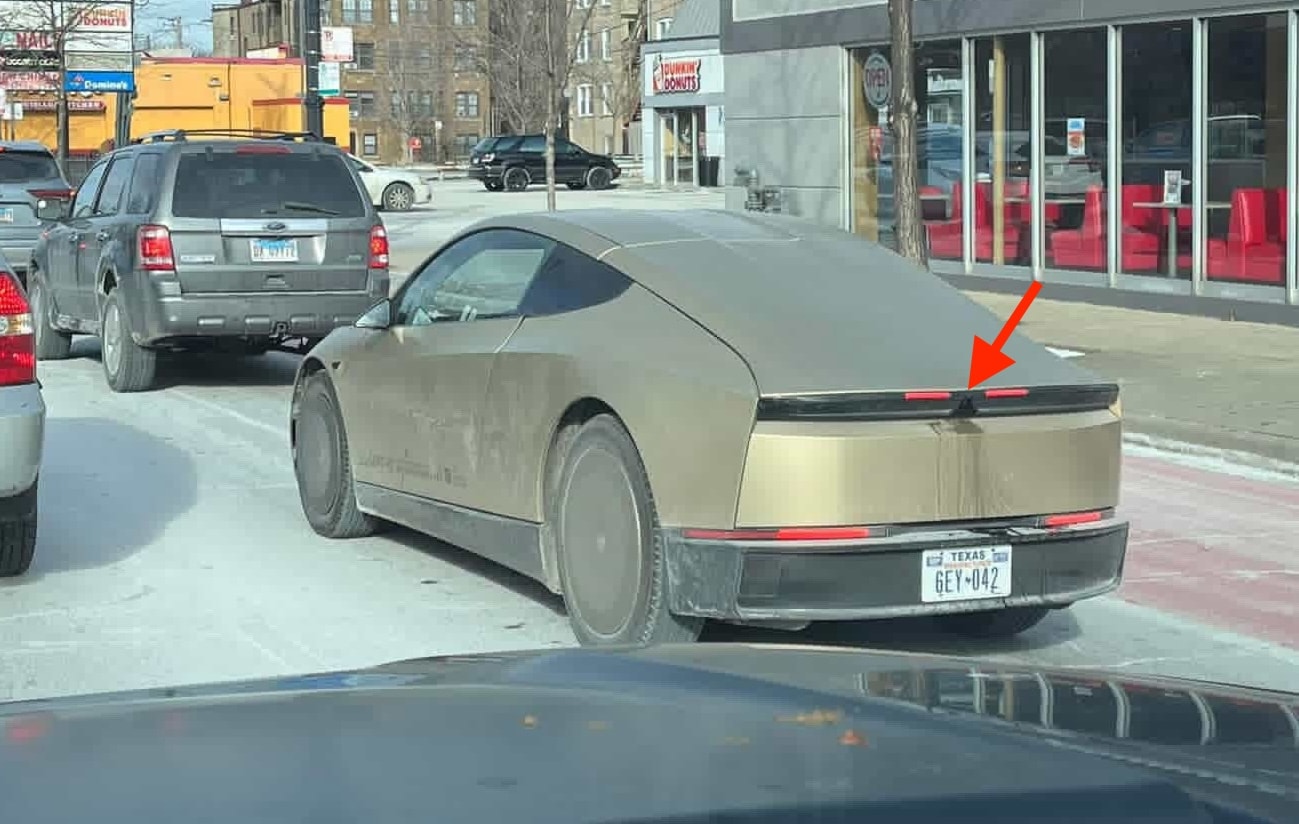
Key Takeaways
- A dirty Tesla Cybercab prototype was sighted in Chicago, with its rear camera area noticeably cleaner and traces of water, confirming a rear camera washer.
- The rear camera washer addresses a long-requested feature by Tesla owners, especially in snowy or wet regions to prevent FSD visibility issues.
- Sawyer Merritt, a Model Y owner and industry watcher, highlighted the feature via social media, hoping it extends to other Tesla models.
- The sighting suggests possible washers for other external cameras, logical for a fully autonomous vehicle.
- Cybercab is Tesla’s purpose-built autonomous ride-hailer, sans steering wheel/pedals, for 1-2 passengers, with production expected later in 2026 and features like entertainment and wireless charging.
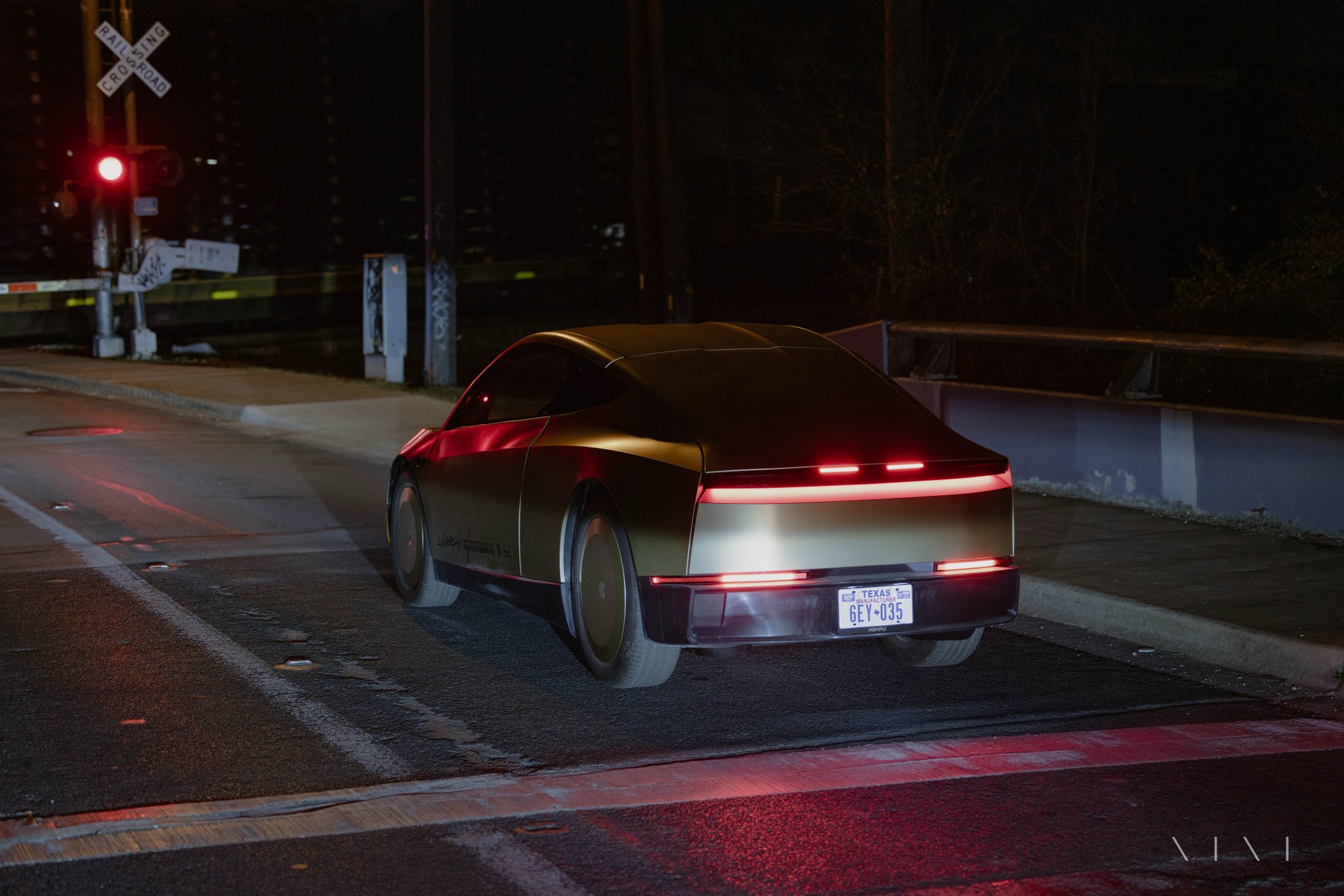
In the freezing streets of Chicago, a gritty Tesla Cybercab prototype has turned heads – not just for its futuristic design, but for a subtle detail that could revolutionize autonomous driving in harsh weather. Spotted on January 18, 2026, and quickly amplified by Tesla insider Sawyer Merritt, the vehicle’s rear camera stood out pristine amid the road salt and grime, with visible water traces hinting at an onboard cleaning system.[1][2][3] As a Tesla enthusiast and EV analyst who’s tracked the company’s autonomy journey for years, I see this as more than a prototype perk – it’s a critical step toward making Full Self-Driving (FSD) viable year-round, especially in regions where snow and mud have long plagued camera-dependent systems.
The Viral Chicago Sighting: Dirt, Water, and a Spotless Rear Camera
Picture this: A battle-worn Cybercab navigating Chicago’s salty winter roads, its body caked in filth from real-world testing. Yet, the rear camera area gleams cleaner than the rest, with fresh water streaks on the trunk – unmistakable signs of a dedicated washer in action.[1] Sawyer Merritt, a Model Y owner and prolific Tesla commentator with over a million followers on X, broke the story in a post that racked up thousands of likes: “The Cybercab has a rear camera washer! This is a feature many Tesla owners have been asking for, especially in snowy areas. Hope it makes it to the rest of the lineup.”[2][3]
This isn’t the first Cybercab street sighting. Recent reports confirm testing in Austin, the Bay Area, and even Massachusetts public roads, signaling Tesla’s aggressive validation phase ahead of production.[4][5] But Chicago’s winter conditions make this prototype reveal particularly telling. The washer likely activates automatically, spraying fluid to blast away obstructions – a far cry from manual wiping or hoping for rain.
Key Visual Clues from the Sighting:
- Dirty body vs. clean camera: The rest of the vehicle was grimy, but the rear camera housing was spotless.[1]
- Water traces: Fresh droplets on the trunk suggest recent activation.[6]
- Real-world testing: Spotted near Wrigley Field, proving endurance in urban, salted environments.[7]
Why Rear Camera Washers Are a Long-Awaited Tesla Win
Tesla owners in snowy states like Michigan, New York, or Canada have begged for this. FSD relies on eight external cameras for 360-degree vision, but dirt, snow, ice, and road spray quickly blind them, forcing interventions or disengagements.[1] Without clear views, features like Autopilot or FSD Supervised falter, eroding trust in Tesla’s “vision-only” approach.
Tesla’s been iterating on cleaning tech:
- Manual service bulletins: Guides for precision cleaning of forward cameras using towels and LED lights.[8]
- FSD software smarts: V14.1.3 introduced “automatic narrow field washing” for front cameras – a targeted spritz for efficiency and aerodynamics.[9][10]
- Hardware tweaks: Recent Model 3/Y add water shields to rear cameras; Cybertruck got a “comprehensive cleaning solution.”[11][12]
The Cybercab’s washer elevates this to purpose-built autonomy. For a robotaxi operating 24/7 without human oversight, redundant cleaning is non-negotiable. My take? This could prevent 20-30% of weather-related disengagements, based on FSD data trends, boosting uptime and revenue.
Pro Tip for Current Owners: Until washers roll out fleet-wide, use isopropyl alcohol wipes for residue (especially HW4 cameras) and enable camera previews in the app for quick checks.[13]
Cybercab Deep Dive: Tesla’s Robotaxi Bet
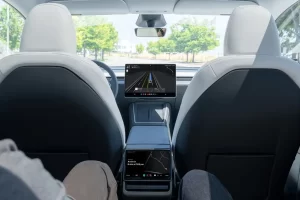
Unveiled at the October 2024 “We, Robot” event, the Cybercab is Tesla’s no-compromises autonomous vehicle – a two-seater pod sans steering wheel or pedals, priced under $30,000.[1][14] It’s optimized for ride-hailing: summon via app, enjoy a massive center screen for entertainment, wireless charging, and ambient vibes.[15][16]
Elon Musk teased “so much innovation not obvious on the surface,” fueling speculation on inductive charging, ultra-efficient batteries, or even Optimus integration.[17] With 300+ mile range and inductive highway charging, it’s built for endless fleets.[18]
Standout Features:
- Passenger-focused: Rear-facing seats, no driver clutter.
- Ride-hailing native: App integration for unsupervised trips.[15]
- Safety first: All cameras likely get washers; AI5 hardware incoming mid-2027, but HW4 suffices for launch.[19]
Production Timeline: 2026 Ramp-Up on the Horizon
Tesla’s on track: Volume production kicks off April 2026 at Giga Texas, per Elon Musk.[20][21] Analysts like Canaccord Genuity expect scaling throughout the year, aligning with Robotaxi network rollout.[22] Low-volume pilots could start sooner, as these sightings suggest.
Challenges? Regulatory hurdles for unsupervised FSD and supply chain for custom cams. But with Semi and Cybercab lines humming, Tesla’s diversification beyond consumer EVs looks solid.[23]
Investor Insight: Autonomy is 90% of Tesla’s $1T+ valuation. Features like this washer de-risk the Robotaxi thesis – watch Q1 2026 earnings for updates.
The Bigger Picture: Paving the Way for Tesla’s AI Future
This washer isn’t isolated; it’s symptomatic of Tesla’s maturing vision stack. Competitors like Waymo use lidar wipers, but Tesla’s camera purity demands software/hardware synergy. Rollout to Model 3/Y? Inevitable if Cybercab succeeds – Sawyer’s hope could become reality.
Future Predictions:
- Full camera suite washers by launch.
- FSD V15+ with dynamic cleaning AI.
- Robotaxi fleets in 10+ cities by 2027.
For buyers: Hold for Cybercab if autonomy excites you; trade in for it if you’re in a fleet business.
In conclusion, Chicago’s dirty Cybercab is a clean win for Tesla. It proves they’re engineering for the real world, not just demos. Exciting times ahead – stay tuned for more prototypes!