
Tag: starship

SpaceX’s Starship Era Dawns: Starlink V2 Satellites Set for Mid-2027 Launch, Ushering in Global 5G from Space

Imagine a world where your smartphone gets seamless 5G speeds anywhere on Earth—no towers, no dead zones, just pure satellite magic. That’s the vision SpaceX is aggressively pursuing, and the latest bombshell from Mobile World Congress (MWC) in Barcelona has the tech world buzzing. SpaceX President Gwynne Shotwell and Starlink VP Mike Nicolls revealed plans to launch next-generation Starlink V2 satellites aboard the colossal Starship rocket starting mid-2027. This isn’t just an upgrade; it’s a paradigm shift that could catapult Starlink to unprecedented global dominance, delivering contiguous coverage and revolutionizing connectivity for billions.

Starship V3: Elon Musk’s Masterplan for Full Reusability – Ground Tests Begin, Tower Catches Loom, and Mars Beckons in 2026

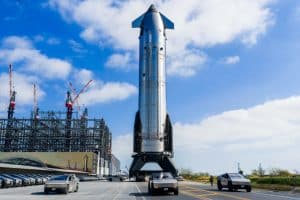
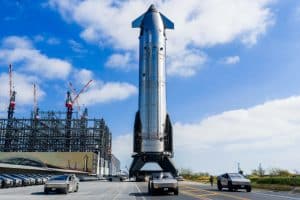
SpaceX is on the cusp of a transformative era with Starship V3. Elon Musk has just confirmed that Starship V3 Ship 1 (SN1), also known as Ship 39, is rolling out for critical ground tests at Massey’s Outpost near Starbase. In a bold statement on X, Musk declared, “Starship V3 SN1 headed for ground tests. I am highly confident that the V3 design will achieve full reusability.” This isn’t hype—it’s a calculated evolution backed by iterative testing, engine breakthroughs, and a laser focus on rapid iteration.

Texas’ $84.6 Million Coastal Lifeline: How Starbase and SpaceX Are Leading the Charge in Gulf Beach Restoration

In a major win for Texas’ vulnerable Gulf Coast, the Texas General Land Office (GLO) has pumped $84.6 million into critical resilience projects across 14 counties, with Elon Musk’s burgeoning Starbase city—home to SpaceX’s revolutionary Starship program—emerging as a key beneficiary. This funding isn’t just about sand and dunes; it’s a strategic investment in protecting communities, wildlife, and even the future of space exploration from the relentless forces of erosion, storms, and climate change. As a blogger specializing in the intersection of space innovation, environmental sustainability, and coastal policy, I’ve been tracking Starbase’s evolution from a remote rocket pad to a full-fledged city. This announcement underscores a rare harmony between high-tech ambitions and ecological stewardship—let’s dive deep into what it means.

Starship Flight 12: Elon Musk Greenlights V3 Debut for March 2026 – Revolutionizing Reusable Rocketry

Elon Musk just dropped a bombshell on X (formerly Twitter): Starship’s next test flight, Flight 12, is locked in for next month, heralding the first launch of the game-changing Starship V3 (also known as Block 3). Shared alongside a gripping video recap of the Super Heavy booster catch at Starbase, Texas, this update signals SpaceX’s shift from experimental fireworks to operational dominance. As a space tech blogger who’s tracked every Starship iteration since the early Raptor prototypes, this isn’t just hype—it’s the pivot point where SpaceX starts flying rockets like airliners. Buckle up; we’re diving deep into the tech, timeline, implications, and why V3 could make 2026 the year reusable rocketry goes mainstream.

Elon Musk’s Strategic Pivot: SpaceX’s Moon City Race Before Mars – A Game-Changer for Multi-Planetary Life

In a stunning revelation that’s sending shockwaves through the space community, Elon Musk has announced that SpaceX is shifting its immediate focus to building a self-growing city on the Moon. This isn’t a abandonment of the long-dreamed Mars colony—far from it—but a pragmatic acceleration toward humanity’s survival beyond Earth. Drawing from Musk’s recent posts on X (formerly Twitter), this pivot prioritizes speed, iteration, and risk mitigation. As a space exploration blogger with over a decade tracking SpaceX’s milestones—from Falcon 1 failures to Starship’s orbital triumphs—I’ll break down what this means, why it’s brilliant, and the challenges ahead. Buckle up; this could redefine our species’ timeline to becoming multi-planetary.

Starship Flight 12: Elon Musk’s Explosive Update – V3 Debut in Just Six Weeks Ushers in a New Era for SpaceX

As a space industry veteran who’s tracked SpaceX’s meteoric rise from Falcon 1 failures to reusable rocket dominance, few announcements get my pulse racing like Elon Musk’s latest X post. On January 26, 2026, Musk dropped a casual bombshell: Starship’s next launch, Flight 12, is slated for about six weeks – potentially netting an early March liftoff from Starbase, Texas. Accompanied by a striking photo capturing the upper stage moments before separation from the Super Heavy Booster, this update signals the debut of Starship Version 3 (V3) and its game-changing Raptor 3 engines. For enthusiasts and analysts alike, this isn’t just another test flight; it’s a pivotal leap toward fully reusable, Mars-capable rocketry.

The Anomaly at SpaceX: What Went Wrong with Booster 18?

SpaceX, a name synonymous with cutting-edge technological innovation and ambitious space exploration initiatives, encountered an unexpected anomaly with their Starship V3 Booster 18. This incident unfolded during a critical gas-system pressure test at the company’s Massey facility in Starbase, Texas. While it’s not uncommon for pioneering projects to encounter setbacks, understanding the implications of this anomaly is crucial for the future trajectory of SpaceX’s ambitious programs.

SpaceX Starship Version 3 Booster Crumples in Initial Testing

SpaceX’s ambitious Starship program recently encountered a significant challenge as Booster 18, a key component of the latest version of their first-stage booster, suffered considerable damage during its early testing phase. This event, while unfortunate, offers key insights into the hurdles of advancing space technology and the fast-paced objectives SpaceX holds. Here we explore what happened, how it affects the broader objectives of SpaceX and NASA, and what lies ahead for this pioneering company.

SpaceX’s Gigabay: The Gateway to a Multiplanetary Future

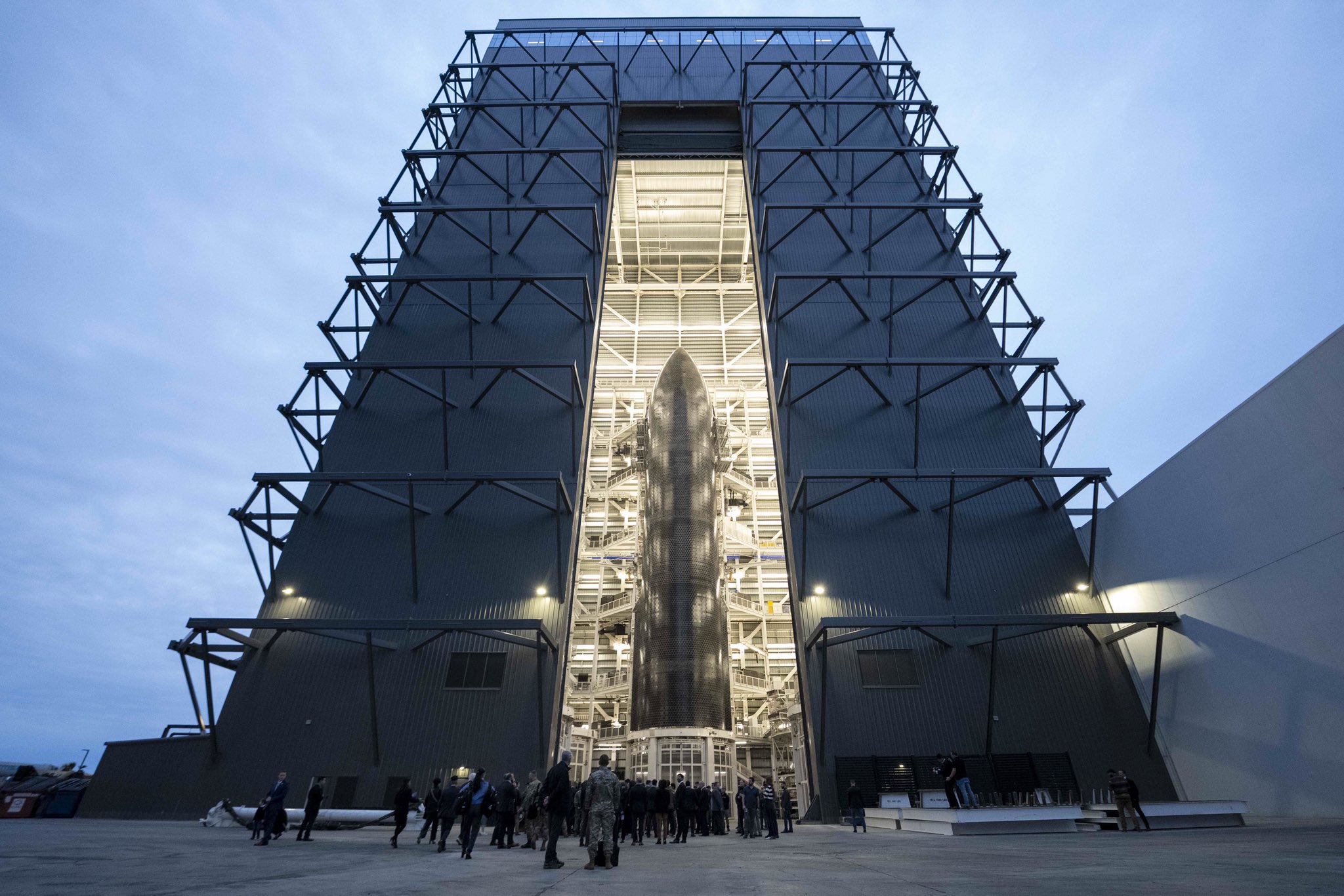
In the rapidly evolving arena of space exploration, SpaceX is making bold moves with its latest project in Texas—the Gigabay. This new production hub is more than just an addition to SpaceX’s facilities; it represents a revolutionary step toward realizing a multiplanetary future. The Gigabay is set to become a focal point for the production of the Starship rockets, crucial elements in Elon Musk’s ambitious vision. Here, we delve into what makes this project stand out and why it is a game-changer in the space industry.

SpaceX’s New Starship Architecture: A Leap Towards Lunar Legacy

In the latest chapter of space exploration, SpaceX is reimagining its Starship mission for NASA’s Artemis 3 program. As the race to establish a human presence on the Moon heats up, Elon Musk and his team are proposing a “simplified” architectural overhaul, intending to fast-track the next crewed lunar landing. This blog post delves into the implications of this revised mission strategy and its potential to redefine our approach to space exploration.

Load more