
 Gary Zhou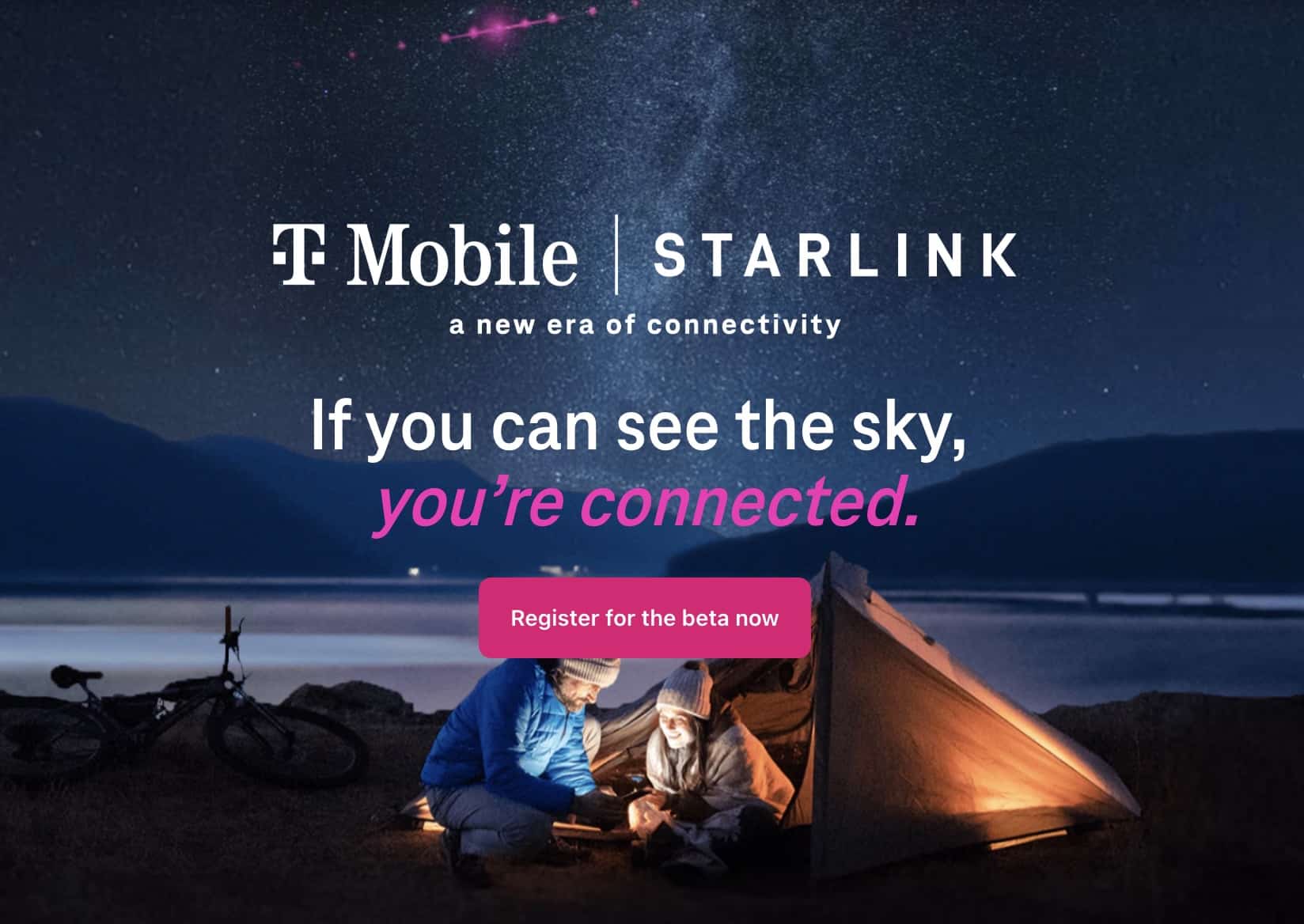
Key Takeaways
- T-Mobile is launching Starlink cellular as a beta program for non-customers, combining satellite connectivity with T-Mobile’s 5G network.
- Users who signed up for the free beta will soon receive access, with T-Mobile preparing phones to be satellite-optimized.
- The beta offer includes 50GB of high-speed data and unlimited texts, modeling T-Mobile’s existing free trial framework.
- T-Mobile targets to entice users from rival carriers with promotional perks such as discounted movie tickets and travel deals.
- Starlink cellular’s cost has been reduced to $10 per month, making it accessible for users of both T-Mobile and competing networks.
- T-Mobile has a strategic advantage with SpaceX’s Starlink, while competitors like AT&T and Verizon may fall behind due to limited satellite infrastructure.
As the realms of terrestrial and satellite connectivity converge, T-Mobile’s strategic venture with SpaceX’s Starlink is poised to revolutionize the telecommunications landscape. By launching a beta program that integrates satellite connectivity with their 5G network, T-Mobile not only seeks to expand its user base but also sets a new standard for hybrid connectivity in the industry.
Understanding the Offering: Starlink Cellular Beta Program
The Starlink cellular beta program is T-Mobile’s bold new initiative to capture the interest of non-customers. By incorporating SpaceX’s cutting-edge satellite technology with T-Mobile’s 5G infrastructure, this program offers several attractive features for users.
Key Features:
- Satellite-Optimized Phones: T-Mobile is diligently working to ensure that the phones enrolled in the beta program are satellite-optimized, offering enhanced connectivity wherever you go.
- Generous Data Package: Participants in the beta program receive 50GB of high-speed data and unlimited texting capabilities, mimicking T-Mobile’s established three-month free trial structure.
- Cost Efficiency: With a reduced monthly fee of $10 for Starlink cellular service, this initiative becomes financially accessible not only to current T-Mobile users but also to those on rival networks.
The Promotional Lure: Perks and Benefits
T-Mobile knows how to draw attention and is using a variety of promotional tactics aimed at enticing users from competing carriers. Here’s what new users can look forward to:
- Exclusive Discounts: Promotional perks include $5 movie tickets and 25% off on concert tickets, alongside other attractive travel discounts.
- T-Mobile Tuesdays: A weekly engagement initiative where users can enjoy free items and amazing deals, further increasing brand loyalty and user satisfaction.
Strategic Advantages: Partnership with SpaceX
This initiative significantly elevates T-Mobile’s position in the telecom market. Here’s a closer look at why this partnership with SpaceX is a game-changer:
- Satellite Connectivity Headstart: By securing a partnership with SpaceX, T-Mobile claims an early lead in satellite connectivity, potentially distancing itself from competitors such as AT&T and Verizon, who are still establishing their satellite networks.
- Improved Market Position: The combination of terrestrial and satellite connectivity through Starlink allows T-Mobile to offer superior coverage in remote and underserved areas, thereby expanding their market presence.
Competitor Analysis and Market Impact
As T-Mobile strides forward with this innovative offering, questions arise about its impact on the market and competitors.
- Benefit to T-Mobile’s Market Position: The integration of satellite technology not only improves service for existing customers but also attracts new users by expanding coverage capabilities beyond the constraints of traditional cellular towers.
- Incentives for Rival Carrier Users: By offering competitive pricing and attractive perks, T-Mobile positions itself as a remarkable alternative for subscribers on other networks, potentially initiating a shift in consumer loyalty.
- Impact on Competitors: With T-Mobile leveraging an exclusive partnership with SpaceX, competitors might feel the pinch, especially given the limited satellite resources currently available to them. This dynamic could lead to increased innovation and partnerships across the industry.