 Gary Zhou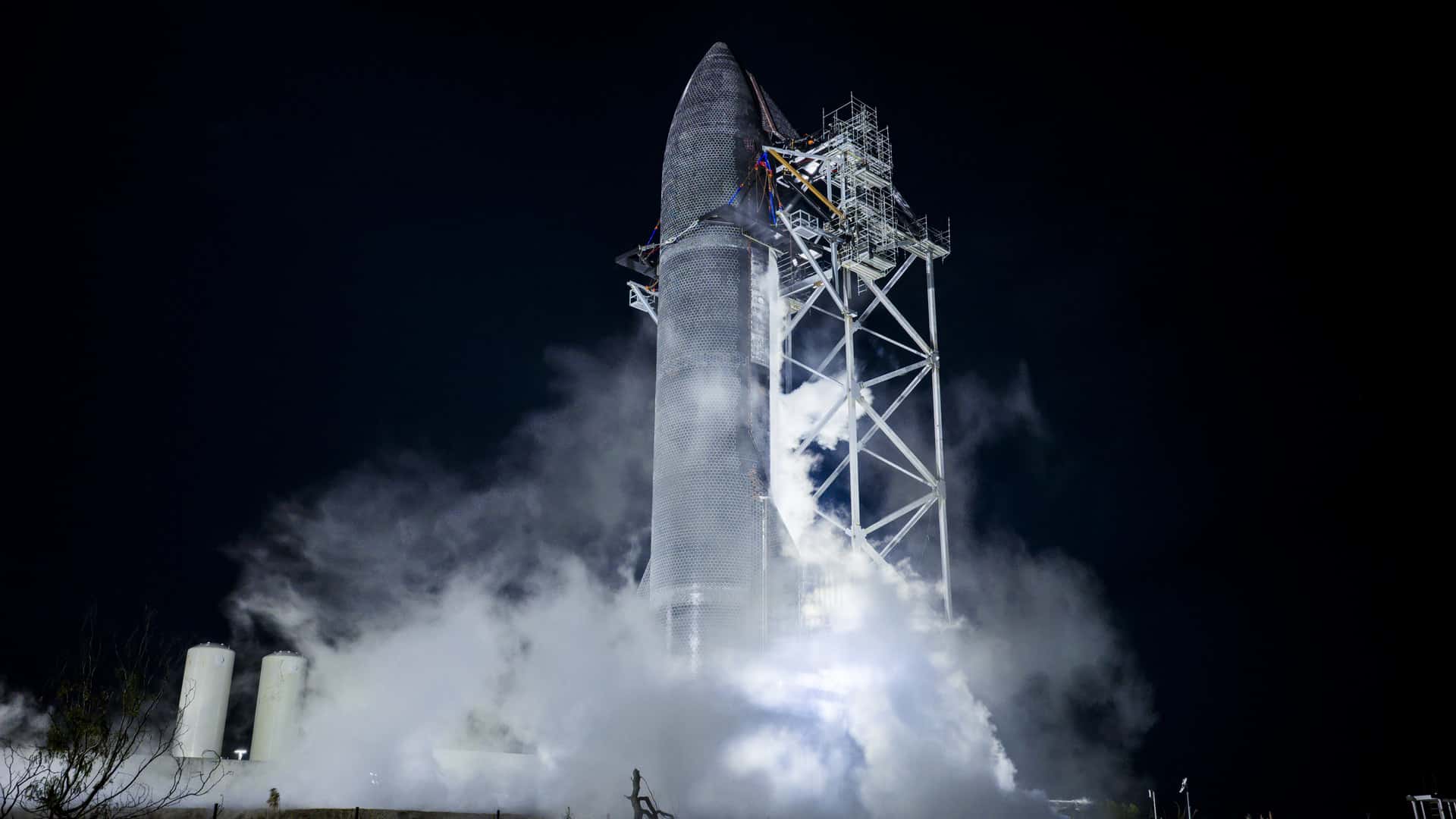
Key Takeaways
- Elon Musk announced on X that Starship IFT-12, the first v3 ship and booster flight, is 4-6 weeks away from April 3, targeting early-mid May 2026.
- Ends a 6-month hiatus since the last launch in October 2025 (Flight 11).
- V3 features taller Super Heavy Booster and Starship upper stage with increased propellant capacity and powerful Raptor 3 engines.
- Raptor 3 engines offer higher thrust, reduced weight, and lower production costs for better efficiency and manufacturability.
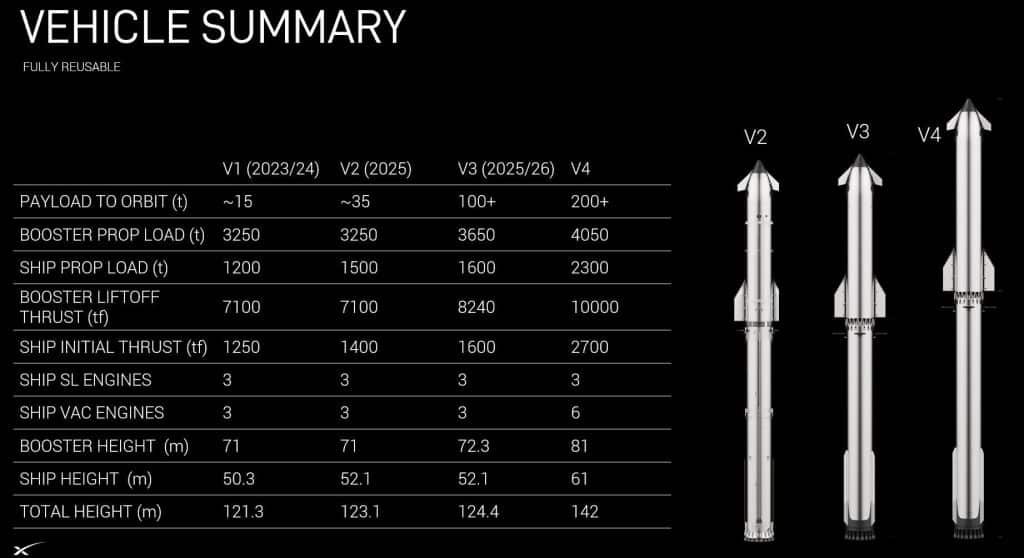
- Targets 200 metric tons to low Earth orbit in reusable config, up from 35 tons previously, aiding Artemis and Mars missions.
- Recent prep includes ground testing (Ship 39, Booster 19), static fires, new Pad 2 activation, and Raptor 3 integration; delayed by late 2025 incident.
- Musk’s optimistic timelines often shift, but rapid iteration continues with infrastructure upgrades for higher cadence.
- V3 debut transitions Starship to operational reusability for Starlink, lunar landers, and interplanetary travel.
SpaceX enthusiasts, buckle up! On April 3, 2026, Elon Musk dropped a bombshell on X (formerly Twitter): Starship Integrated Flight Test 12 (IFT-12) – the maiden voyage of the fully upgraded Version 3 (V3) Starship and Super Heavy Booster – is just 4-6 weeks away, targeting early to mid-May 2026. ❶ This announcement ends a nerve-wracking 6-month launch drought since IFT-11 in October 2025, signaling SpaceX’s relentless push toward operational reusability. As a space industry blogger with over a decade tracking Elon Musk’s ventures, I see IFT-12 not just as a test flight, but as the pivotal moment where Starship transitions from prototype to powerhouse – potentially slinging 200 metric tons to low Earth orbit (LEO) in reusable configuration. ❷
In this deep dive, we’ll unpack Musk’s optimistic timeline, the game-changing V3 upgrades (including beastly Raptor 3 engines), the gritty prep work at Starbase, historical delays, and what this means for NASA’s Artemis program, Mars colonization, and Starlink’s constellation expansion. I’ll share insights on why V3 could redefine rocketry and advice for aspiring space watchers on how to track the launch.
The Big Announcement: Musk’s Signature Optimism
Elon Musk’s X post was characteristically terse yet electrifying: IFT-12, featuring the “first v3 ship and booster,” is primed for liftoff in 4-6 weeks from April 3. This puts the target window squarely in early-mid May 2026 – a rapid turnaround after months of ground testing and infrastructure hustle. ❸
Musk’s timelines are legendary for their elasticity – think “rapid unscheduled disassemblies” (RUDs) turned into successes through iteration. Yet, this feels different. SpaceX has stacked wins with booster catches in IFT-5 through IFT-11, proving the Mechazilla arms work. IFT-12 builds on that, debuting V3 hardware that’s taller, more propellant-hungry, and powered by next-gen engines. If it flies as planned from the newly operational Pad 2, it could validate full reusability at scale.
Key Timeline Highlights:
- Last Launch: IFT-11 (October 13, 2025) – Block 2 finale with Booster 15 and Ship 38. Successes included deploying eight Starlink simulators and a third in-space Raptor relight. ❹ ❺
- Hiatus Cause: Late 2025 incident scrapped Booster 18 during ground tests; Booster 19 took over. ❻
- Current NET: Early-mid May 2026, pending FAA and weather.
V3 Upgrades: Bigger, Badder, and Ready for Prime Time
Starship V3 (aka Block 3) isn’t evolutionary – it’s revolutionary. Both the Super Heavy Booster and Starship upper stage are taller, packing more propellant for extended range and heavier payloads. The big leap? Integration of Raptor 3 engines across the stack, slashing complexity while boosting thrust.
Taller Stacks for Massive Payloads
- Super Heavy Booster: Stretched tanks increase propellant load, enabling 33 Raptor 3s to push toward 200t LEO reusable – a 5x jump from early Block 1 flights’ ~35-40t demos. ❼
- Starship Upper Stage: Similarly elongated, with enhanced heat shield tiles and flaps for reentry survival at higher energies.
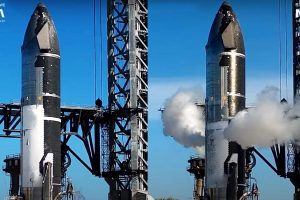
Booster 19 (for IFT-12) has undergone cryo proofing and grid fin installs, while Ship 39 nailed static fires. ❽ Expect deorbit burns, potential catches, and Raptor Vacuum (RVac) demos.
Raptor 3: The Engine That Changes Everything
Raptor 3 is SpaceX’s methalox masterpiece – no turbopumps exposed, integrated shielding, and insane metrics:
- Thrust (Sea Level): 280 metric tons-force (tf) – up from Raptor 2’s 230tf. ❾ ❿
- Specific Impulse (ISP): 350 seconds – efficiency king.
- Dry Mass: Just 1,525 kg (engine alone), 1,720 kg with vehicle hardware – 25% lighter than Raptor 2. ⓫
- Vacuum Variant (RVac): ~258 tf thrust, optimized for upper stage.
These specs mean cheaper production, higher reliability, and reusability for 1,000+ flights. Opinion: Raptor 3’s “no moving parts in hot sections” design is a propulsion paradigm shift, outpacing competitors like Blue Origin’s BE-4 by decades in thrust-to-weight.
| Raptor Evolution | Thrust (tf) | ISP (s) | Mass (kg) |
|---|---|---|---|
| Raptor 1 | 185 | 330 | 2,000+ |
| Raptor 2 | 230 | 347 | 1,630 |
| Raptor 3 | 280 | 350 | 1,525 |
Starbase Frenzy: Pad 2 Activation and Testing Milestones
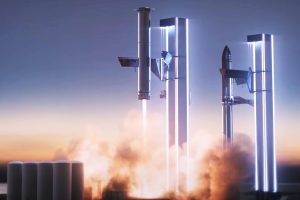
Starbase, Texas, is buzzing. Pad 2 – SpaceX’s second orbital launch mount – passed water deluge tests in February 2026, quenching 1500°C plumes for safe ops. ⓭ ❻ Booster 19 rolled in March, enabling standalone tests like quick disconnects and tank farm expansions. ⓮
Prep Checklist (Recent Wins):
- Ship 39: Full cryo proof, static fires. ⓯
- Booster 19: Grid fins, engine integration.
- Pad 2: Deluge, ASU (Air Separation Unit) for LOX.
- Infrastructure: Florida pads, Raptor factories scaling.
Delays? Plenty. IFT-12 slipped from early 2026 (post-Booster 18 mishap) to March, then April via FCC filings (April 5-Oct 5 window). ❷ ⓰ Musk’s “4-6 weeks” from April 3 aligns with post-March statics.
Performance Leap and Mission Impacts
V3 targets 200t reusable to LEO – Falcon Heavy territory, but daily cadence. This unlocks:
- Artemis: Human Landing System (HLS) Variant 2 for lunar ops.
- Starlink V3: Mega-constellation refills.
- Mars: Uncrewed cargo in 2026 window?
Insight: With Pad 2 online, SpaceX eyes 100+ flights/year. Advice: Monitor NSF LlamaCam for stacks; FAA NOTAMs signal T-0.
My Take: Why IFT-12 is Make-or-Break
Skeptics cite Musk’s slips, but data shows acceleration: 11 flights in 2 years. V3’s Raptor 3 and stretch tanks position Starship as the ULA killer. Risks? Pad anomalies or reentry. Bullish prediction: 80% success odds, paving 2026 cadence.
Pro Tips for Fans:
- Apps: RocketLaunch.Live for countdowns. ⓱
- Safety: View from South Padre Island.
- Invest: Track $SPACE stocks post-launch.
IFT-12 isn’t hype – it’s history. From 6-month wait to V3 glory, SpaceX iterates faster than rivals dream. Stay tuned; May 2026 could launch humanity multiplanetary.