
 Gary Zhou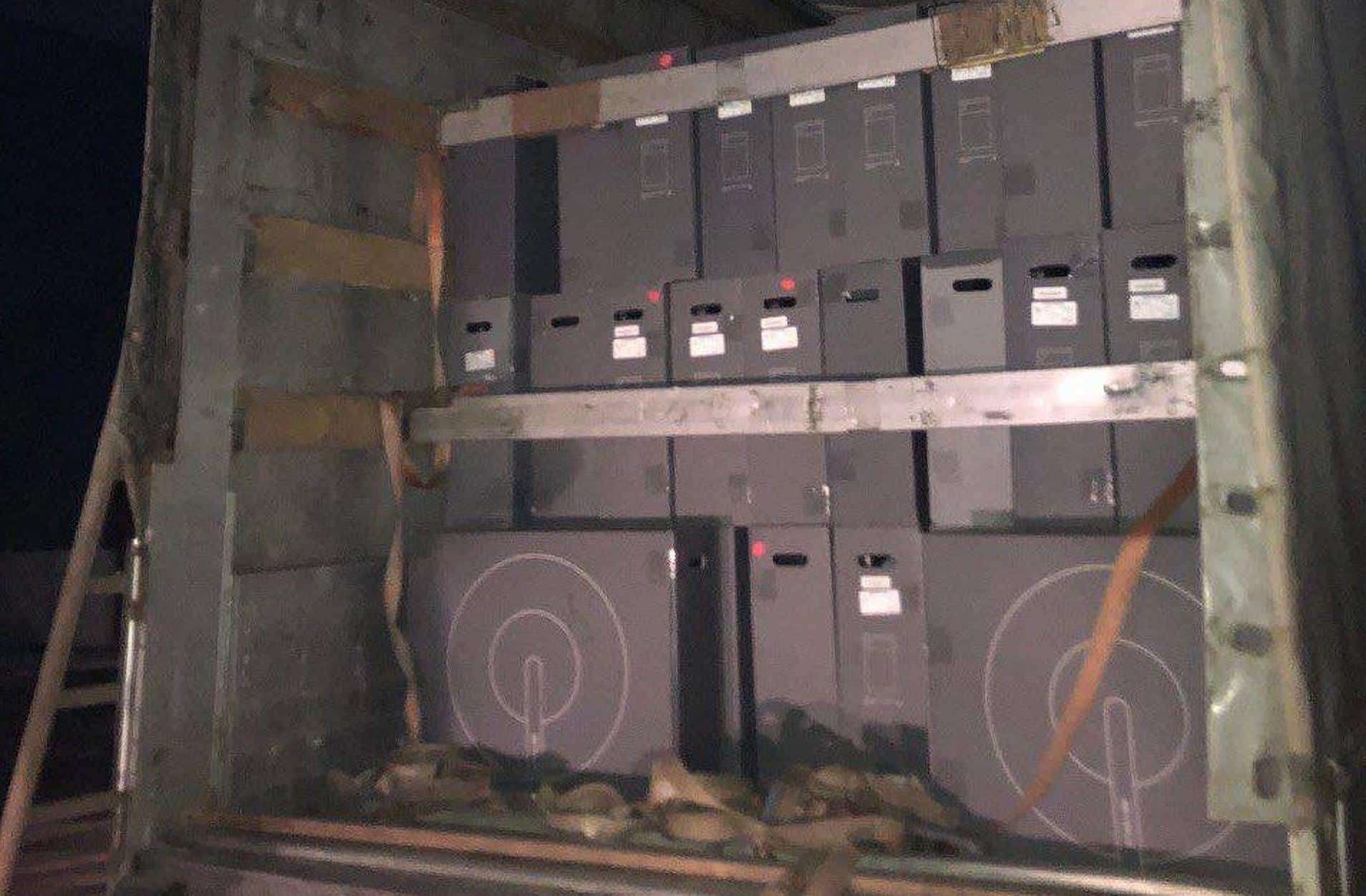
Key Takeaways
- SpaceX disabled unauthorized Starlink terminals in Ukraine, disrupting Russian assault operations and drone coordination.
- Lt. Denis Yaroslavsky reported Russian assaults declined for 3-4 days post-shutdown.
- Russians acquired Starlink via black market for drones and weapons, violating service terms.
- Ukrainian commanders noted improved casualty ratios, e.g., regular units achieving 13:1 after cutoff (elite units previously 20:1).
- CSIS estimates 1.2 million Russian troops killed, wounded, or missing since Feb 2022.
- ISW observed decline in Russia’s Rubikon drone unit activity after Feb 1 due to Starlink restrictions.
- Yaroslavsky: Russians have alternatives, but implementation takes 4-6 months.
As a tech and geopolitics blogger who’s been tracking the Russia-Ukraine conflict since day one, I’ve seen how satellite internet has become the unsung hero of modern warfare. Starlink, SpaceX’s game-changing constellation, turned the tide for Ukraine early on by providing unbreakable comms amid relentless jamming and destruction of ground infrastructure. But now, in early 2026, Elon Musk has flipped the script on Russia’s shadowy reliance on the very same tech. SpaceX’s decision to disable unauthorized terminals has sent shockwaves through Moscow’s frontline operations, slashing drone strikes, stalling assaults, and widening Ukraine’s casualty advantages. This isn’t just a tech tweak—it’s a strategic gut punch that’s exposing Russia’s tech deficits and buying Ukraine precious time. ❶ ❷
The Rise of Starlink: From Ukrainian Lifeline to Russian Achilles’ Heel
Starlink entered the Ukraine fray in 2022 as a humanitarian aid package, rapidly scaling to thousands of terminals for Ukrainian forces. Its low-Earth orbit (LEO) satellites offered low-latency, high-bandwidth connections immune to traditional electronic warfare—perfect for coordinating artillery, drones, and troop movements in a hyper-connected battlefield.
But Russia, ever opportunistic, infiltrated this ecosystem. By late 2025 and into 2026, reports emerged of Russian units smuggling Starlink dishes via black markets, mounting them on drones like the elite Rubikon program’s Molniya and Shahed variants. ❸ These unauthorized setups violated SpaceX’s terms of service, which explicitly ban offensive military use. Ukrainian intelligence spotted the terminals on Russian FPV (first-person view) drones and long-range strike platforms, enhancing their precision and resilience against jamming. ❶
SpaceX, in coordination with Ukrainian authorities, pulled the plug on February 1, 2026, blacklisting rogue terminals across the theater. The result? Immediate chaos for Russian commanders. ❹
Battlefield Blackout: Assaults Grind to a Halt
Ukrainian frontline leaders wasted no time celebrating the shift. Lt. Denis Yaroslavsky, commander of a special reconnaissance unit in Ukraine’s Armed Forces, provided stark testimony: “For three to four days after the shutdown, they really reduced the assault operations.” ❷ This wasn’t hyperbole—Russian infantry pushes, heavily reliant on real-time drone feeds for navigation and targeting, faltered across multiple sectors.
Key Impacts on Russian Operations:
- Drone Coordination Crumbles: The Rubikon drone unit, Russia’s premier FPV strike force, saw activity plummet post-February 1. The Institute for the Study of War (ISW) noted this in assessments, linking it directly to Starlink’s geofencing and shutdowns. Rubikon’s mid- and short-range strikes, once a terror for Ukrainian positions, are now sporadic at best. ❺ ❻
- Frontline Comms Severed: Without Starlink’s mobility, Russian troops reverted to vulnerable VHF/UHF radios, easily jammed by Ukrainian EW systems. Assault waves lost cohesion, leading to higher exposure times under fire.
- Opportunistic Ukrainian Gains: Kyiv’s forces exploited the lull with counterattacks, reclaiming ground in Donetsk and Kharkiv oblasts. ❼
Casualty Ratios Tip Dramatically in Ukraine’s Favor
Perhaps the most telling metric is blood. Pre-shutdown, elite Ukrainian units like Yaroslavsky’s were already dominating with 20:1 kill ratios. Regular formations held 5:1 to 8:1. Post-cutoff? Those numbers exploded—a standard Ukrainian unit reported effortless 13:1 ratios as Russians bunched up without drone overwatch.
This aligns with broader trends. The Center for Strategic and International Studies (CSIS) dropped a bombshell in late January 2026: Russia has suffered over 1.2 million casualties (killed, wounded, missing) since February 2022. Ukrainian losses hover at 500,000-600,000, pushing combined totals toward 1.8 million, with projections hitting 2 million by spring. ❽ ❾ ❿
| Unit Type | Pre-Shutdown Ratio | Post-Shutdown Ratio |
|---|---|---|
| Elite Ukrainian | 20:1 | Maintained/Improved |
| Regular Ukrainian | 5:1 – 8:1 | 13:1+ ❶ |
Russia’s “meat grinder” tactics—human wave assaults—are unsustainable without superior C4ISR (command, control, communications, computers, intelligence, surveillance, reconnaissance). Starlink’s absence amplifies this vulnerability.
Russia’s Scramble for Substitutes: Too Little, Too Late?
Yaroslavsky himself acknowledged Moscow’s backups: “I’m sure the Russians have (alternative options), but it takes time to maximize their implementation and this (would take) at least four to six months.” ❷
What are these alternatives?
- Domestic Satcom like Yamal-601/602: Russian troops are griping about these geostationary birds—high latency, poor mobility, and unreliable in contested airspace. ⓫
- Balloon-Based 5G Terminals: Recent tests with high-altitude platforms for pseudo-LEO coverage, but scalability issues persist. ❹
- Chinese Knockoffs and Iranian Aids: Partnerships with Huawei for hybrid satcom, but integration lags amid sanctions.
- Legacy Systems: Plesetsk launches for military sats, but nothing matches Starlink’s 7,000+ satellite swarm.
Corruption compounds the crisis—black market Starlink was cheaper and “good enough,” stunting R&D investment. ⓬
H4: The Black Market Bust
Ukraine even ran psyops: A cyber unit sold fake Starlink registrations to Russians, feeding bogus location data back to SpaceX for easier blacklisting. ⓭
Strategic Implications: A Tech Cold War Heats Up
This episode underscores commercial tech’s dominance in hybrid warfare. Starlink isn’t just bandwidth—it’s asymmetric power. Ukraine’s integration (via API access and custom firmware) vs. Russia’s bootleg approach highlights innovation gaps.
My Take: Musk’s move is geopolitically savvy. SpaceX isn’t picking sides arbitrarily; it’s enforcing TOS to prevent proliferation. But it raises questions: Should commercial satcom have kill switches? Expect copycats—China’s GuoWang, Amazon’s Kuiper racing to militarize LEO.
For the war: Russia may adapt by summer, but at huge cost. Ukraine gains breathing room for F-16s, ATACMS, and domestic drone swarms. Long-term, this accelerates a “space race 2.0” where satcom denial becomes a weapon.
Advice for Tech Geopolitics Watchers:
- Invest in LEO Plays: SpaceX (private), AST SpaceMobile, or rivals poised for defense contracts.
- Monitor ISW/CSIS: Weekly updates are gold for real-time analysis.
- Diversify Comms: If you’re in contested regions, hybrid Starlink + mesh networks (e.g., goTenna) is prudent.
Starlink’s Plug-Pull Could Define 2026’s Frontlines
Elon Musk didn’t just disable terminals—he yanked the cord on Russia’s drone-enabled momentum. As casualties mount and alternatives flounder, Ukraine’s defenders hold the high ground—literally and figuratively. This saga proves: In 21st-century war, he who controls the sats controls the battlefield. Stay tuned; the orbit’s getting crowded.