 Gary Zhou
Key Takeaways
- Starlink partners with Deutsche Telekom to bring satellite-to-mobile connectivity to 140M+ subscribers across 10 European countries.
- Service launches in 2028 in markets like Germany, using V2 satellites and MSS spectrum for direct-to-device 5G speeds.
- Starlink’s X post highlights this as Europe’s first V2 next-gen satellite-to-mobile tech for remote smartphone access.
- Abdu Mudesir (Deutsche Telekom Board Member) emphasizes complementing networks in topographically challenging areas for reliable connectivity everywhere.
- Compatible phones auto-switch to Starlink satellites for data, voice, video, and messaging when terrestrial coverage fails.
- Telekom’s Germany coverage: ~90% 5G, 92% LTE, 99% voice; Starlink extends to constrained regions.
- Stephanie Bednarek (Starlink VP Sales) excited for first-of-kind V2 rollout providing broadband to millions in 10 countries.
- V2 satellites boost bandwidth/capacity, marking a major European telecom’s large-scale satellite-to-phone deployment.
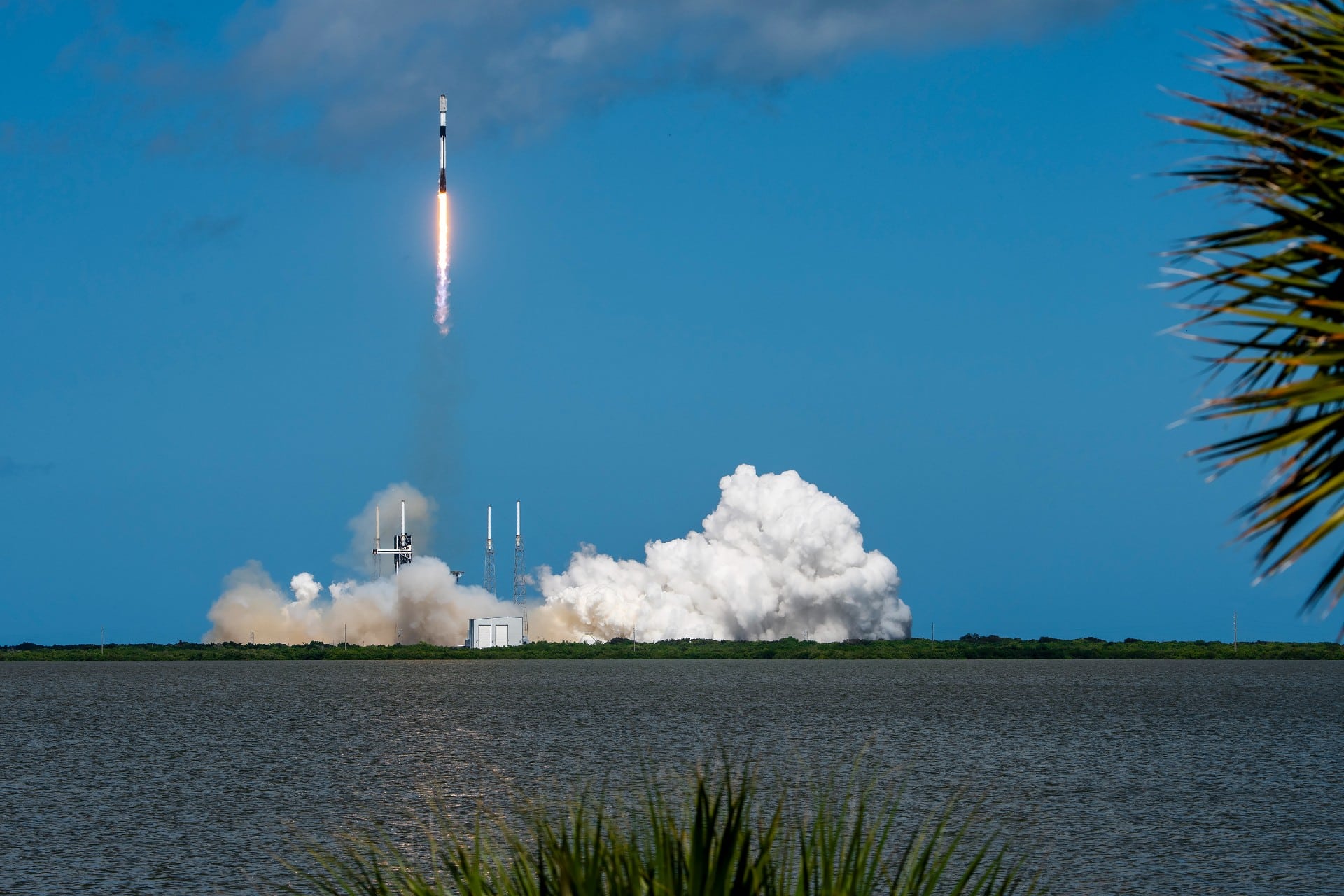
In a groundbreaking announcement at MWC Barcelona on March 2, 2026, SpaceX’s Starlink has teamed up with telecom giant Deutsche Telekom to deliver satellite-to-mobile connectivity across 10 European countries, reaching over 140 million subscribers. ❶ ❷ This isn’t just another satellite internet service—it’s direct-to-device (D2D) technology that seamlessly bridges terrestrial network gaps with space-based 5G speeds, voice, video, and messaging. Imagine hiking in the Alps, sailing the Mediterranean, or driving through rural Montenegro without ever losing signal. As a blogger who’s followed SpaceX’s satellite ambitions since the early Falcon 9 days, this feels like the tipping point where low-Earth orbit (LEO) constellations truly disrupt traditional telecom.
Deutsche Telekom, already boasting impressive coverage in Germany (~90% 5G, 92% LTE, 99% voice), is strategically plugging the “last whitespots”—those stubborn dead zones caused by mountains, forests, or conservation laws. ❶ Launching in early 2028 with Starlink’s next-gen V2 satellites, this partnership marks Europe’s first large-scale rollout of V2 direct-to-cell tech. ❸ In this deep dive, we’ll unpack the details, tech specs, benefits, and what it means for the future of mobile connectivity.
The Partnership: Scope and Strategic Fit
Starlink Mobile (formerly Direct-to-Cell) will complement Deutsche Telekom’s ground networks using Mobile Satellite Service (MSS) spectrum. Compatible smartphones will automatically handover to satellites when terrestrial signals fade—no special hardware, no dishes, just standard unmodified phones. ❶
Key Partnership Highlights:
- Scale: 140+ million subscribers across 10 countries.
- Timeline: Early 2028 rollout, starting in Germany and expanding.
- Focus Areas: Topographically challenging regions, nature reserves, and remote spots where building towers is impractical or prohibited.
- Services: Data, voice calls, video streaming, texting— all at 5G-like speeds.
This builds on Starlink’s existing deals (e.g., T-Mobile in the US), but Europe’s regulatory harmony and Telekom’s pan-continental footprint make it uniquely positioned. Telekom’s rationale? “Connectivity creates security and trust. And we deliver. Everywhere.” ❶
The 10 Countries: Where the Magic Happens
While official press releases tease “several European Telekom markets,” reliable reports pinpoint the exact lineup— all nations where Deutsche Telekom operates key brands like T-Mobile, A1, Cosmote, and others: ❷
- Germany (T-Mobile Deutschland) – Launch market, with massive 90%+ 5G coverage gaps filled.
- Austria (A1 Telekom Austria).
- Poland (T-Mobile Polska).
- Hungary (Magyar Telekom).
- Czech Republic (T-Mobile Czech Republic).
- Slovakia (Slovak Telekom).
- Greece (Cosmote).
- Croatia (Hrvatski Telekom).
- Montenegro.
- North Macedonia (Makedonski Telekom).
These countries span diverse terrains: Bavarian Alps to Croatian islands, Greek mountains to Polish countryside. With 140 million users, this could onboard millions in underserved rural areas, boosting GDP through better remote work and IoT.
Technical Deep Dive: Starlink V2 Satellites – A Leap Forward
The star of the show? Starlink’s V2 (Gen2) satellites, a massive upgrade over V1 minis. V2s pack custom silicon, advanced phased-array antennas, and software algorithms optimized for direct-to-cell, turning each bird into a “cellphone tower in space.” ❸
V2 vs. Previous Generations: Head-to-Head Comparison
| Feature | V1 Mini Satellites | V2 Satellites (D2D Optimized) |
|---|---|---|
| Throughput Capacity | ~24 Gbps per satellite | 20x more (~480 Gbps); 100x data density ❸ |
| Beams | Limited spatial beams | Thousands of spatial beams for precision |
| Direct-to-Cell | Basic/text-only initial | Full 5G: streaming, video, high-speed apps |
| Weight | ~800 kg | Heavier (~1,000+ kg) for DTC payload ❹ |
| Interlinks | Basic | Enhanced laser beams for 4x data handling ❺ |
| User Experience | Low speeds, emergency use | Terrestrial-like 5G speeds |
V2s enable “two orders of magnitude” improvement in capacity, handling 20x more traffic for video calls and remote work in dead zones. ❻ Powered by eNodeB modems, they mimic 5G base stations, using MSS spectrum for global roaming compatibility.
How It Works in Practice:
- Phone detects weak terrestrial signal.
- Auto-switches to nearest V2 satellite overhead.
- Seamless handover: prioritizes fastest connection (ground > satellite).
- Supports unmodified phones as chipsets mature (e.g., Qualcomm Snapdragon Satellite). ❶
Benefits: Why This Matters for Users, Businesses, and Society
- Consumers: No more “no service” on vacations or commutes. Emergency SOS becomes always-on.
- Businesses: Reliable IoT for agriculture in Hungary’s plains or logistics in the Balkans.
- Public Safety: Disaster resilience—think wildfires in Greece or floods in Germany.
- Economic Boost: Rural digital inclusion could add billions to EU GDP.
My Take: Telekom chose Starlink because rivals like AST SpaceMobile or Lynk lag in scale. Starlink’s 9 million+ users prove reliability. ❷ Environmentally, V2s are darker and more efficient, minimizing astronomy interference. ❼
Voices from the Top: Executive Insights
- Abdu Mudesir (DT Board Member, Product & Tech): “We are strategically complementing our network with satellite-to-mobile connectivity… Everywhere.” ❶
- Stephanie Bednarek (Starlink VP Sales): “First-of-its-kind in Europe… providing broadband directly to mobile phones.” ❸
- SpaceX: “Highest performing satellite-to-mobile network ever built.” ❸
Competitive Landscape and Challenges Ahead
Starlink leads, but watch OneWeb (Eutelsat) or Amazon’s Kuiper. EU regs on spectrum and orbital debris will test scalability. Pricing? Expect bundled in premium plans initially.
Advice for Early Adopters:
- Update phones to latest firmware.
- Test in rural areas post-2028.
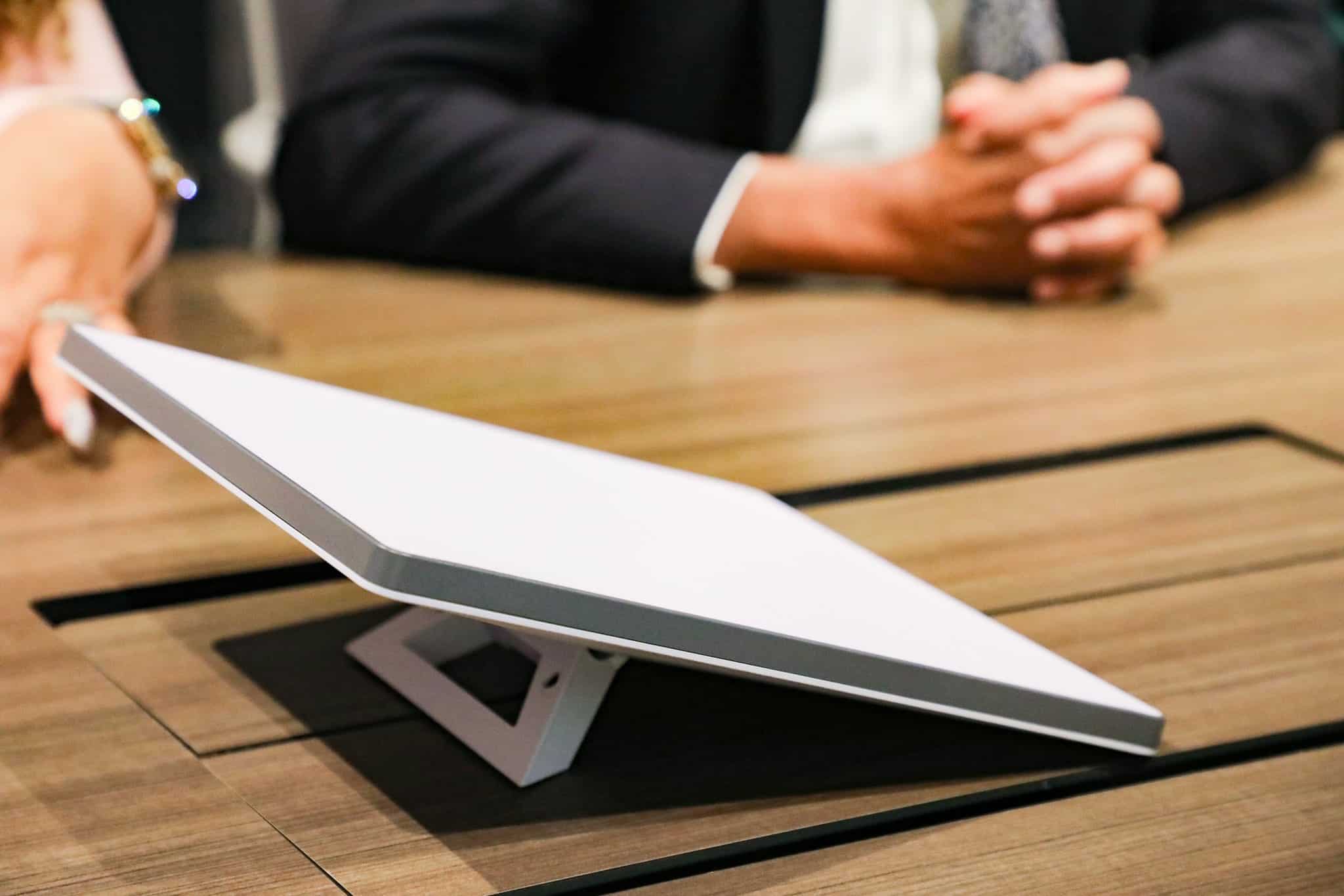
- Pair with Starlink kits for hybrid home/office use.
Future Outlook: The Everywhere Network Era
By 2030, expect 50%+ of mobiles satellite-capable. This DT-Starlink deal accelerates Europe’s digital single market, rivaling US T-Mobile integration. SpaceX’s LEO swarm (thousands of V2s) ensures low latency (<50ms).
In conclusion, this isn’t hype—it’s the fusion of telecom titans and space pioneers closing the analog divide. Europe’s connected future just got a lot brighter.