 Gary Zhou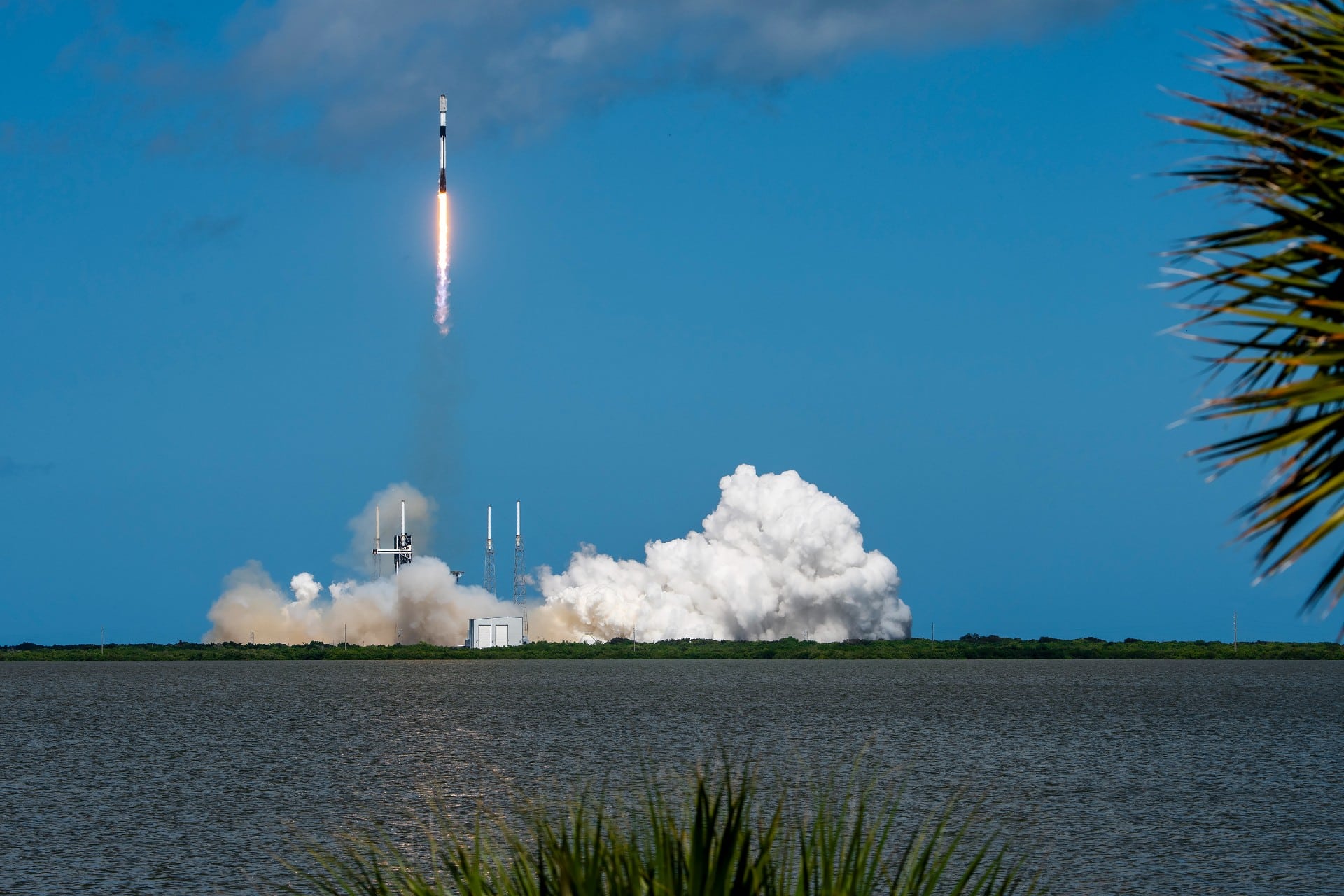
Key Takeaways
- SpaceX plans to launch next-gen Starlink V2 satellites on Starship starting mid-2027.
- Announcement by SpaceX President Gwynne Shotwell and Starlink VP Mike Nicolls at Mobile World Congress in Barcelona.
- Mike Nicolls: Starship enables rapid deployment of 1,200 V2 satellites in 6 months for global contiguous coverage.
- Starship capable of launching ~50 larger V2 satellites per flight, per Bloomberg.
- Initial 1,200 sats for global coverage, followed by expansion to polar regions.
- Current Starlink: ~10,000 satellites on Falcon 9; Starship in development with next test flight soon.
- Starlink projected $9B revenue in 2026; largest satellite network in orbit.
- Direct-to-cell service rebranded Starlink Mobile: 650 sats, 10M monthly users now, targeting 25M by end-2026.
Imagine a world where your smartphone gets seamless 5G speeds anywhere on Earth—no towers, no dead zones, just pure satellite magic. That’s the vision SpaceX is aggressively pursuing, and the latest bombshell from Mobile World Congress (MWC) in Barcelona has the tech world buzzing. SpaceX President Gwynne Shotwell and Starlink VP Mike Nicolls revealed plans to launch next-generation Starlink V2 satellites aboard the colossal Starship rocket starting mid-2027. ❶ ❷ This isn’t just an upgrade; it’s a paradigm shift that could catapult Starlink to unprecedented global dominance, delivering contiguous coverage and revolutionizing connectivity for billions.
As a space tech blogger who’s followed Elon Musk’s ventures since the early Falcon 1 days, I see this as the culmination of years of relentless innovation. With Starlink already boasting the largest satellite constellation in orbit and projecting $9 billion in revenue for 2026, the V2 era on Starship could multiply its capacity exponentially. ❶ Let’s dive deep into the details, implications, and what this means for users, investors, and the future of global communications.
The Groundbreaking Announcement at MWC Barcelona
Held annually in late February/early March, MWC 2026 served as the perfect stage for SpaceX’s reveal. Shotwell and Nicolls didn’t hold back: Starship will enable the rapid deployment of 1,200 V2 satellites in just six months, achieving true global contiguous coverage. ❶ Nicolls emphasized Starship’s transformative power, stating it will launch approximately 50 larger V2 satellites per flight—a massive leap from Falcon 9’s current ~20-25 V2 Mini sats per mission. ❶
This timeline—mid-2027—aligns with SpaceX’s aggressive development cadence. Why now? Starlink’s current network, built primarily on Falcon 9, has reached ~10,000 satellites, serving millions but straining under demand for higher bandwidth and direct-to-cell services. ❷ Starship, with its 100+ ton payload to low Earth orbit (LEO), is the key to scaling.
Key Quotes from the Execs
- Mike Nicolls: “With Starship, we’ll be able to deploy 1,200 V2 satellites in six months for global contiguous coverage.” ❶
- Gwynne Shotwell: Highlighted Starship’s role in making Starlink the backbone of worldwide connectivity. ❸
These aren’t pie-in-the-sky promises; they’re backed by SpaceX’s track record of hitting milestones ahead of schedule.
Understanding Starlink V2 Satellites: Bigger, Badder, Better
Starlink V2 (often called “Gen2” in filings) represents a generational upgrade over the current V2 Mini satellites (~740 kg each). ❹ These beasts weigh around 1,250-1,760 kg at launch and pack exponentially more power:
Technical Specs Breakdown
| Feature | V2 Mini (Current) | V2 (Upcoming) | Improvement |
|---|---|---|---|
| Mass | ~740 kg | ~1,250-1,760 kg | 2-3x heavier ❹ ❺ |
| Capacity per Sat | ~1 Tbps downlink | Multi-Tbps (exact TBD) | 4x+ user capacity ❻ |
| Launch per Starship | N/A (Falcon 9: 20-25) | ~50 | 2-3x more efficient ❶ |
| Coverage | Regional gaps | Global + polar | Full Earth ❶ |
V2 sats are designed for terrestrial-like 5G speeds to unmodified phones, with 100x the data density of predecessors. ❼ Initial focus: 1,200 for equatorial/global coverage, then polar expansion. Each Starship launch could add 60 Tbps of network capacity—over 20x a Falcon 9 mission. ❽
My Insight: This isn’t incremental; V2 will enable enterprise-grade services like real-time 4K streaming and IoT for remote industries (mining, shipping, agriculture).
Starship: The Heavy-Lift Beast Enabling It All
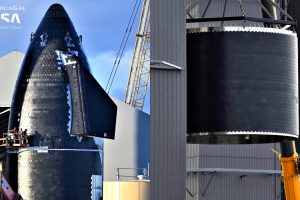
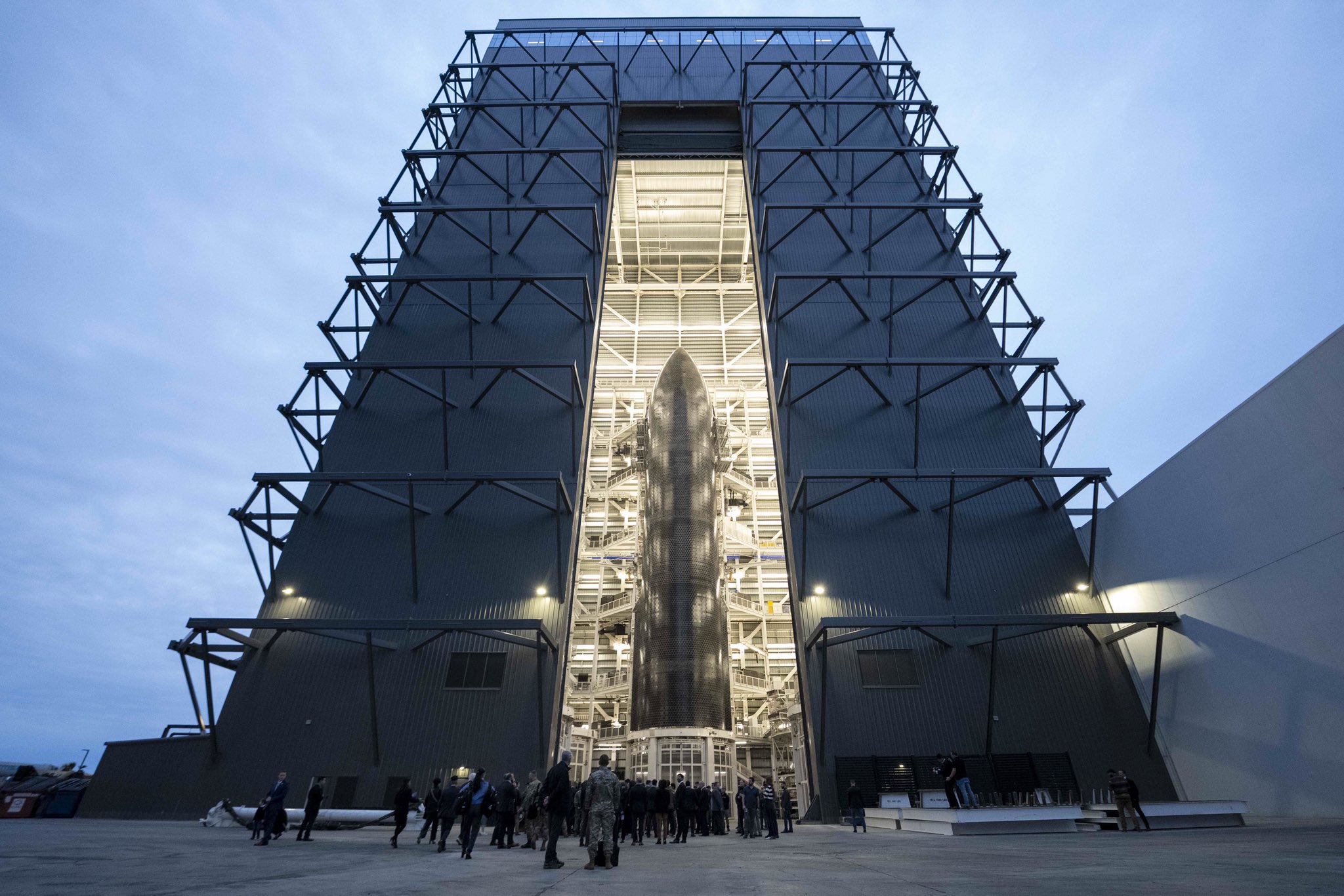
Starship isn’t just big—it’s reusable, with 33 Raptor engines on the Super Heavy booster and plans for rapid turnaround. Current status:
- ~10,000 Starlink sats launched via Falcon 9.
- Starship in flight testing; Flight 12 (V3 prototype) targeted for mid-March 2026 from Starbase, Texas. ❾ ❿
- Goals for Flight 12: Advanced reentry, payload sims—paving way for operational V2 launches.
Challenges Ahead:
- Regulatory approvals (FAA, ITU spectrum).
- Orbital debris mitigation.
- Astronomers’ concerns over light pollution (SpaceX’s Starshield mitigations helping).
Pro Tip for Fans: Stream the next test live on SpaceX’s X account. Success here accelerates V2 timeline.
Starlink’s Explosive Growth: From Niche to Juggernaut
Revenue Rocket Ride
- 2026 Projection: $9B (Bloomberg), with some analysts eyeing $15-24B as subs grow. ❶ ⓫
- Drives 50-80% of SpaceX revenue; company eyeing $1.75T IPO valuation. ⓬
Starlink Mobile: Direct-to-Cell Disruption
Rebranded from “Direct-to-Cell,” it’s exploding:
- 650 sats deployed.
- 10M monthly active users today.
- Target: 25M by end-2026—no phone mods needed. ⓭ ⓬
Expansion Plans:
- Partner with carriers (T-Mobile, others) for seamless roaming.
- V2 boosts to “5G from space” with unmodified devices by mid-2027. ⓮
- Competitors like AST SpaceMobile trailing; Starlink leads with scale.
User Advice: If you’re in a rural area or traveler, grab a Starlink Mobile plan now—prices dropping ahead of mass adoption.
Implications: Reshaping Telecom and Beyond
Pros
- Global Equity: Internet for 3B unconnected people; disaster response (e.g., California wildfires). ⓯
- Economic Boom: $12B direct-to-device market by 2030. ⓰
- Investor Goldmine: SpaceX valuation could hit trillions post-IPO.
Cons & Risks
- Spectrum Wars: ITU filings for 15,000+ new sats.
- Environmental: Mega-constellations’ astronomy impact—SpaceX’s visors help, but more needed.
- Monopoly Fears: 60%+ market share by 2030?
My Opinion: Critics underestimate SpaceX’s execution. Starship’s reusability slashes costs 100x vs. traditional rockets, making this inevitable. Telecom giants (AT&T, Verizon) should partner, not fight.
The Road Ahead: Milestones to Watch in 2026-2027
- Starship Flight 12 (March 2026): V3 debut. ⓱
- Starlink Mobile to 25M users (Dec 2026).
- First V2 on Starship (Mid-2027): 50 sats/flight.
- Polar expansion post-1,200 sats.
Final Thoughts: SpaceX isn’t building satellites—they’re architecting the nervous system of planet Earth. With Starship operational, Starlink V2 will make “no connectivity” a relic. Stay tuned; the stars are aligning.