 Gary Zhou
Key Takeaways
- SpaceX’s Booster 18 suffered major damage during initial testing at Starbase, Texas.
- The booster crumpled during a pressurization test, indicating a likely total loss.
- This incident may delay improvements intended for the Starship V3 program, which aimed to enhance reliability.
- SpaceX faces tight deadlines for demonstrating rapid reuse and operational missions, crucial for NASA’s Artemis program.
- Despite setbacks, SpaceX has a reputation for quickly diagnosing failures and resuming testing.
SpaceX’s ambitious Starship program recently encountered a significant challenge as Booster 18, a key component of the latest version of their first-stage booster, suffered considerable damage during its early testing phase. This event, while unfortunate, offers key insights into the hurdles of advancing space technology and the fast-paced objectives SpaceX holds. Here we explore what happened, how it affects the broader objectives of SpaceX and NASA, and what lies ahead for this pioneering company.
Understanding the Incident
A Difficult Start for Booster 18
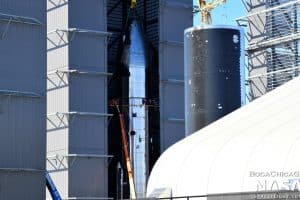
Early Friday morning at SpaceX’s testing site in Starbase, Texas, Booster 18 experienced a severe failure. During its initial pressurization tests—a crucial phase designed to ensure the booster can withstand the pressures it will face during launch—the lower portion of the booster crumpled. Videos and images captured by observers show the booster’s liquid oxygen tank crumpled, suggesting extensive damage likely relegates Booster 18 to retirement.
Implications for the Starship V3 Program
The Booster 18 was part of SpaceX’s much-anticipated Starship V3 program, which aims to introduce key design fixes and enhancements for improved reliability and performance. Unfortunately, this setback could delay the validation of these crucial upgrades. The Starship V3 upgrades were expected to play vital roles in increasing the Starship system’s robustness and efficiency.
Pressing Challenges and Upcoming Deadlines
NASA’s Artemis Program and SpaceX’s Commitments
The timing of this setback is critical. SpaceX is bound by tight deadlines set by ambitious projects such as NASA’s Artemis Program. A primary goal for SpaceX involves the demonstration of rapid reuse and operational functionality of their Starship system, crucial for the Artemis program’s success. Specifically, on-orbit refueling tests, slated for the second half of 2026, are vital for NASA’s planned crewed lunar landing in 2028.
Failure is a natural part of the experimental process, and SpaceX’s reputation for quickly diagnosing and rectifying failures may play a critical role in meeting these tight schedules.
The Path Forward: Handling Setbacks with Strategic Recovery
Diagnosis and Rapid Response
SpaceX’s ability to handle setbacks swiftly is well-documented. Following the initial analysis of the Booster 18 failure, it’s essential for SpaceX to identify the root causes quickly. Whether it was material fatigue, engineering miscalculations, or procedural errors, understanding the cause is crucial for refining future designs.
Optimism Amidst Challenges
Despite the hurdles presented by the Booster 18 incident, SpaceX’s track record suggests a resilient recovery. The iterative design process that SpaceX employs allows for rapid development and testing iterations, which should help the company rebound from this setback.
The crumpling of Booster 18 is a stark reminder of the challenges inherent in cutting-edge aerospace development. Each failure provides vital data that propels the program forward. For SpaceX, the key will be leveraging their experience and innovative spirit to transform this setback into an opportunity for learning and improvement.