 Gary Zhou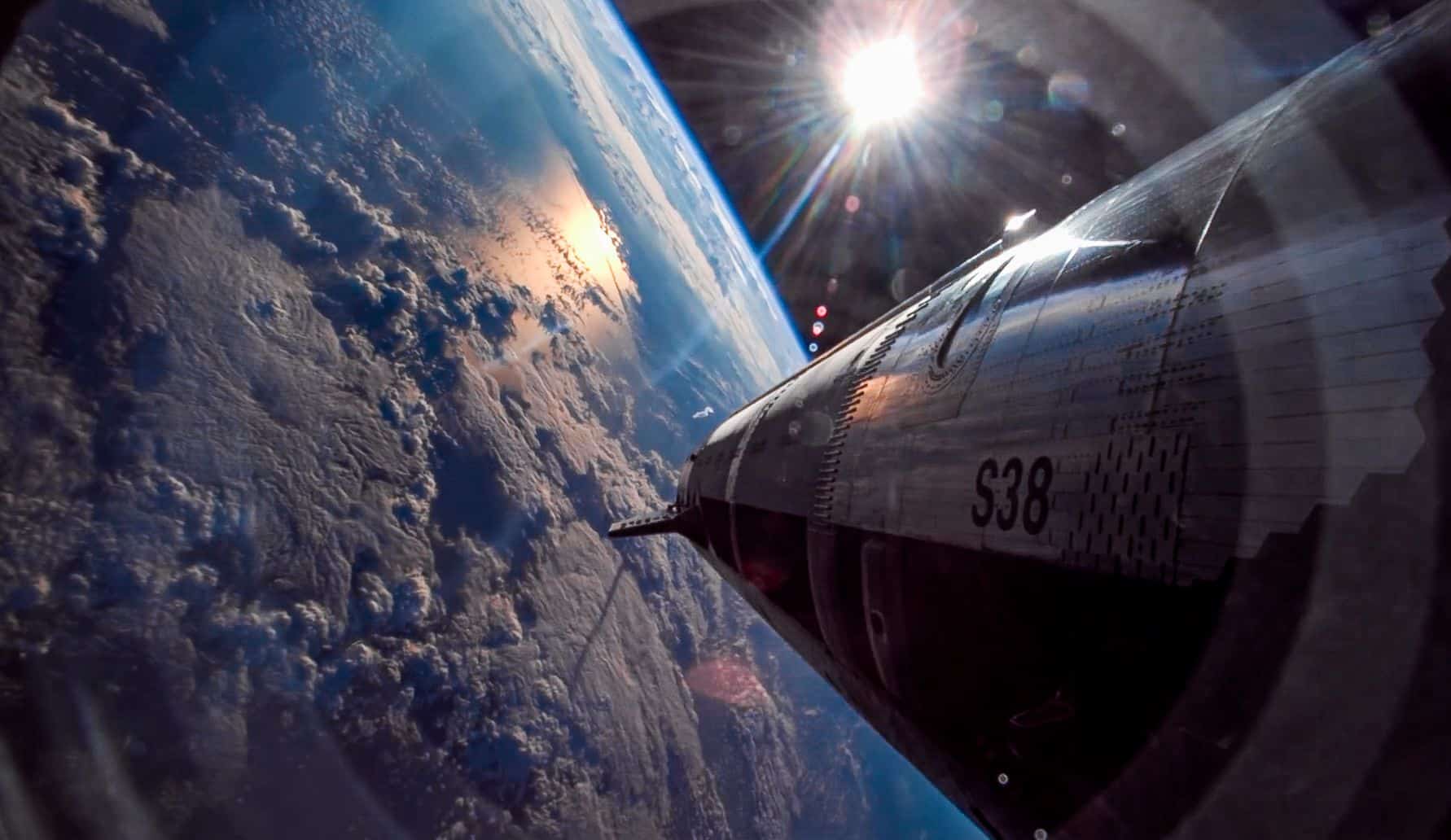
Key Takeaways
- SpaceX officially acquired xAI on February 2, merging rockets with AI expertise as the first unification of Elon Musk’s companies.
- The deal integrates xAI’s Grok chatbot, AI training infrastructure with SpaceX’s rockets, Starlink, and space goals; xAI valued at $230B, SpaceX at $800B.
- Combined entity addresses AI’s energy and infrastructure bottlenecks through space-based solutions.
- Elon Musk’s blog post: Space-based AI is key to scaling, harnessing Sun’s energy; orbital data centers to be lowest-cost AI compute in 2-3 years.
- SpaceX filed for FCC approval to launch up to 1M solar-powered satellites as high-bandwidth compute platforms.
- Merger funds broader ambitions like lunar bases and multiplanetary life via Starlink revenue and potential IPO.
- Critics raise orbital debris and regulatory concerns; proponents hail it as a step toward multiplanetary computing.
In a move that’s straight out of science fiction but grounded in Elon Musk’s relentless vision, SpaceX has officially acquired xAI on February 2, 2026. ❶ ❷ This isn’t just a corporate merger—it’s the forging of a vertically integrated powerhouse blending cutting-edge rocketry, satellite networks, and frontier AI capabilities. Valued at a staggering combined $1.25 trillion ahead of a potential IPO, this acquisition signals Musk’s bold pivot toward space-based AI, solving Earth’s energy crises while accelerating humanity’s multiplanetary future. ❸
As a blogger who’s tracked Musk’s ecosystem for over a decade—from Tesla’s Gigafactories to Neuralink’s brain chips—this merger feels like the culmination of his “everything app” empire dreams. But let’s dive deep: What does it mean for AI scaling, space exploration, investors, and skeptics? Buckle up; we’re going orbital.
The Announcement: A Blog Post That Shook the World
SpaceX dropped the bombshell via an official blog post, declaring the creation of “one of the most ambitious, vertically integrated innovation engines on (and off) Earth.” ❹ Elon Musk himself penned thoughts emphasizing space-based AI as the only scalable path forward. He argued:
“In the long term, space-based AI is obviously the only way to scale. To harness even a millionth of our Sun’s energy would require over a million times more energy than our civilization currently uses! The only logical solution therefore is to transport these resource-intensive efforts to a location with vast power and space.” ❺
Musk predicts that within 2-3 years, orbital data centers will offer the lowest-cost AI compute on (or off) the planet, enabling breakthroughs in physics and tech invention. ❻ This comes hot on the heels of xAI’s Grok chatbot evolution and SpaceX’s Starship successes, timed perfectly amid global AI races with OpenAI, Google, and Meta.
Key Timeline Highlights:
- Late 2025: xAI valued at $230 billion after raising $20B. ❼
- January 2026: SpaceX FCC filing for 1M solar-powered satellites. ❽
- Feb 2, 2026: Acquisition announced, merging SpaceX ($800B valuation) with xAI. ❾
Financials: A $1.25 Trillion Behemoth Eyes IPO Glory
Numbers don’t lie—this deal catapults Musk’s empire into unicorn-killing territory. SpaceX, already the world’s most valuable private company at ~$800B, absorbs xAI at its $230B peak. ❾ Bloomberg reports a combined $1.25T valuation pre-IPO, with whispers of $1.5T by mid-2026. ❿
Breakdown of Valuations:
| Company | Pre-Merger Valuation | Key Assets |
|---|---|---|
| SpaceX | $800B | Starship, Starlink (7M+ users), launch dominance ❾ |
| xAI | $230B | Grok AI, massive compute clusters, X platform (acquired 2025 for $33B) ⓫ |
| Merged | $1.25T+ | Orbital AI infra, revenue synergies |
Investor Insight: Expect a SpaceX IPO soon—rumors point to June 2026 raising $50B. ❿ Starlink’s $10B+ annual revenue will fund AI scaling, lunar bases, and Mars. If you’re holding TSLA or early xAI stakes, this vertical stack could 10x returns—but volatility ahead with regulatory scrutiny.
Strategic Synergies: Rockets + AI = Unstoppable?
The real magic? Integration. xAI’s Grok and training infra plugs into SpaceX’s rockets, Starlink bandwidth, and exploration roadmap.
- AI for Rockets: Grok optimizes trajectories, predicts failures—think real-time Mars landings.
- Starlink Boost: High-bandwidth nets feed petabytes for AI training.
- Energy Fix: AI’s Achilles heel—power hunger—is solved off-planet. ⓬
Musk’s genius: xAI (post-X acquisition) brings data troves; SpaceX delivers the launch muscle. Result? A closed-loop empire outpacing Big Tech.
Orbital Data Centers: Musk’s Sun-Powered AI Revolution
Enter the star of the show: SpaceX’s FCC filing for up to 1 million solar-powered satellites as “high-bandwidth, optically linked compute platforms.” ⓭ ❽ Filed Jan 30, these orbiters harness near-constant sunlight, slashing costs 100x vs. Earth grids.
How It Works (Simplified):
- Launch via Starship: Shells of 100k+ sats per flight.
- Solar Power: Unlimited, zero emissions.
- Optical Links: Laser comms for data sync.
- AI Compute: Run models in vacuum, beam results down. ⓮
My Prediction: By 2028, 10% of global AI flops to orbit. Cheaper than Nevada deserts, greener than coal backups. Critics? Orbital debris risks—but SpaceX’s deorbit tech mitigates. ⓯
Broader Ambitions: From Lunar Bases to Saving Civilization
Revenue streams—Starlink expansion, AI apps—fuel Musk’s endgame: multiplanetary life. Lunar bases? Accelerated. Mars city? Funded.
- Civilizational Insurance: AI + space = humanity’s backup.
- Tech Spillover: Physics insights from orbital sims.
Pro Tip for Innovators: Pitch AI-space hybrids now. This merger opens grants, partnerships.
Challenges: Debris, Regs, and Hype vs. Reality
Not all sunshine. Critics warn:
- Orbital Congestion: 1M sats? Kessler syndrome nightmare. ⓭
- FCC Hurdles: Approval pending; spectrum fights loom.
- Tech Risks: Radiation, heat in vacuum—solvable but pricey.
- Monopoly Fears: Musk controls too much?
Balanced View: SpaceX has FCC wins before (Gen2 Starlink). ⓰ Proponents see multiplanetary compute as inevitable.
Final Thoughts: The Muskiverse Ascends
SpaceX-xAI isn’t a buyout; it’s evolution. Musk’s betting the farm on space solving AI’s limits, and history favors him. Investors: Buy dips. Dreamers: Eyes on stars. This could redefine civilization—or crash spectacularly.
Watch for IPO filings. The rocket’s lit.