 Gary Zhou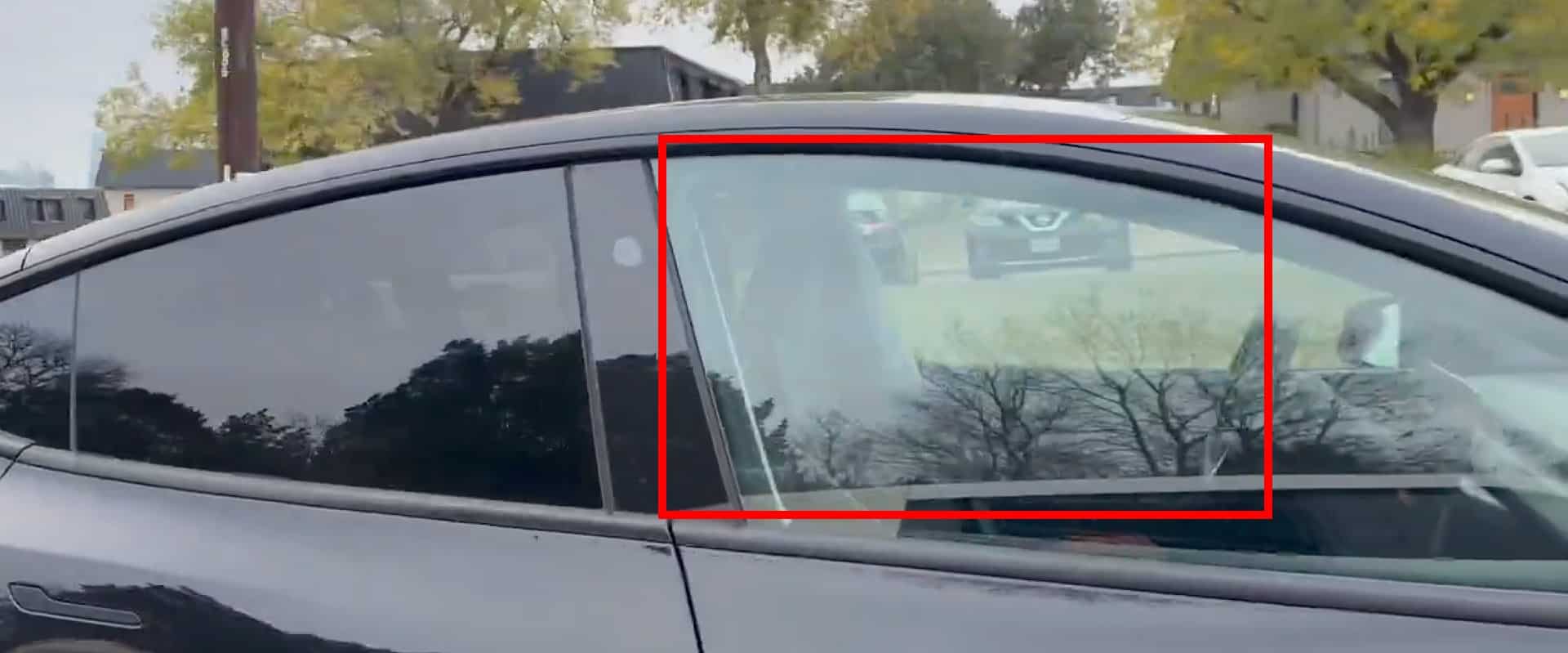
Key Takeaways
- Tesla begins Robotaxi testing in Austin with no occupants in the vehicles.
- Safety Monitors will be removed within three weeks, emphasizing the shift to full autonomy.
- The Robotaxi fleet was launched in June, aiming for driverless rides by the end of the year.
- Two Model Y Robotaxi units were spotted driving in downtown Austin’s South Congress and Dawson neighborhoods.
- Tesla continues to expand its Robotaxi fleet to meet high demand and improve self-driving technology.
Tesla’s groundbreaking venture into fully autonomous vehicles has taken a significant step forward with the commencement of Robotaxi testing in Austin, Texas. This initiative not only marks a pivotal moment for Tesla but also sets a precedent in the field of autonomous driving technology. In this blog post, we’ll explore the implications of Tesla’s latest move towards full autonomy, the removal of Safety Monitors, and how Tesla’s Robotaxi program compares to its competitors.
Setting the Stage: The Beginning of a Driverless Era
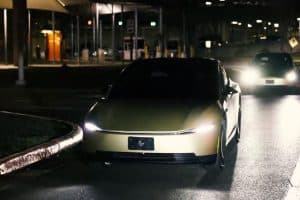
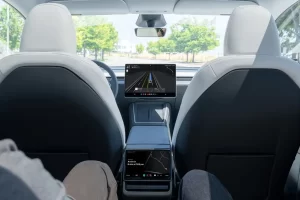
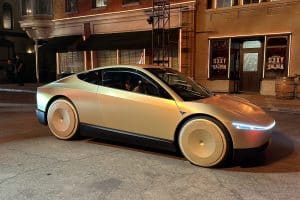
In a bold stride towards a driverless future, Tesla has initiated testing of its Robotaxi units without any occupants on board. Two Tesla Model Y Robotaxi vehicles have been spotted navigating the streets of downtown Austin, particularly in the South Congress and Dawson neighborhoods. This sight has undeniably stirred excitement and curiosity about what this means for the future of transportation.
Key Developments:
- Testing Location: The bustling streets of South Congress and Dawson are now home to the first sightings of fully autonomous Tesla Model Y vehicles.
- Fleet Launch: Introduced in June, Tesla’s Robotaxi fleet aims for a milestone achievement—launching completely driverless rides by the end of this year.
- Removal of Safety Monitors: In a move towards full autonomy, Tesla plans to remove Safety Monitors from its vehicles within the next three weeks.
Implications of Removing Safety Monitors
Removing Safety Monitors is a monumental step in the journey toward full vehicle autonomy. This decision indicates Tesla’s confidence in its Full Self-Driving (FSD) suite and its advanced capabilities in negotiating diverse driving scenarios. However, it raises crucial questions about safety and accountability.
What happens in cases where technology may fail, or unexpected situations arise? Regulatory bodies and industry leaders will be keenly observing how Tesla addresses these challenges. Tesla’s progress could prompt changes in regulation, which may impact the broader industry’s path to adopting fully autonomous vehicles.
Comparing Tesla’s Robotaxi Program to Competitors
Tesla’s Robotaxi initiative is not happening in isolation. Several other companies are also vying for dominance in the autonomous vehicle space. So, how does Tesla stack up against its competitors?
Key Comparisons:
- Technology Development:
- Tesla: Known for its robust FSD technology continually ranked among the top-performing systems.
- Waymo: Google’s autonomous vehicle project is another frontrunner, known for extensive real-world testing and nuanced AI capabilities.
- Deployment Strategy:
- Tesla: Aggressively pursuing a large-scale deployment without human oversight.
- Cruise & Uber: These companies adopt a more staged approach, incrementally moving towards greater autonomy.
- Market Position:
- Tesla remains a leader in electric vehicles with a superior technological stack, although regulatory approval remains a shared challenge across the industry.
Safety Measures in Fully Autonomous Vehicles
Safety continues to be the paramount concern as Tesla and other companies advance toward full autonomy. It’s crucial to explore the potential safety measures that can be instituted to ensure rider and pedestrian safety.
Safety Innovations:
- Redundant Systems: Ensuring that vital vehicle functions are supported by multiple systems to prevent failures.
- Comprehensive Sensor Suites: Utilizing a combination of radar, lidar, cameras, and ultrasonic sensors to provide complete environmental awareness.
- Real-Time Data Processing: Ensuring rapid decision-making in response to dynamic road conditions.
The Road Ahead for Tesla’s Robotaxi Program
Tesla’s Robotaxi testing in Austin is a significant milestone in the quest for fully autonomous vehicles. As Safety Monitors are phased out, Tesla is closing in on its vision of a driverless ride-sharing future. However, the journey towards full autonomy is fraught with challenges that require not just technological ingenuity but also shifts in regulatory frameworks and public acceptance.
Tesla’s pioneering efforts in Austin set the stage for what’s to come in the ever-evolving landscape of autonomous transportation. While the road ahead is long, the potential rewards for Tesla and society are immense, heralding a new era of mobility.