 Gary Zhou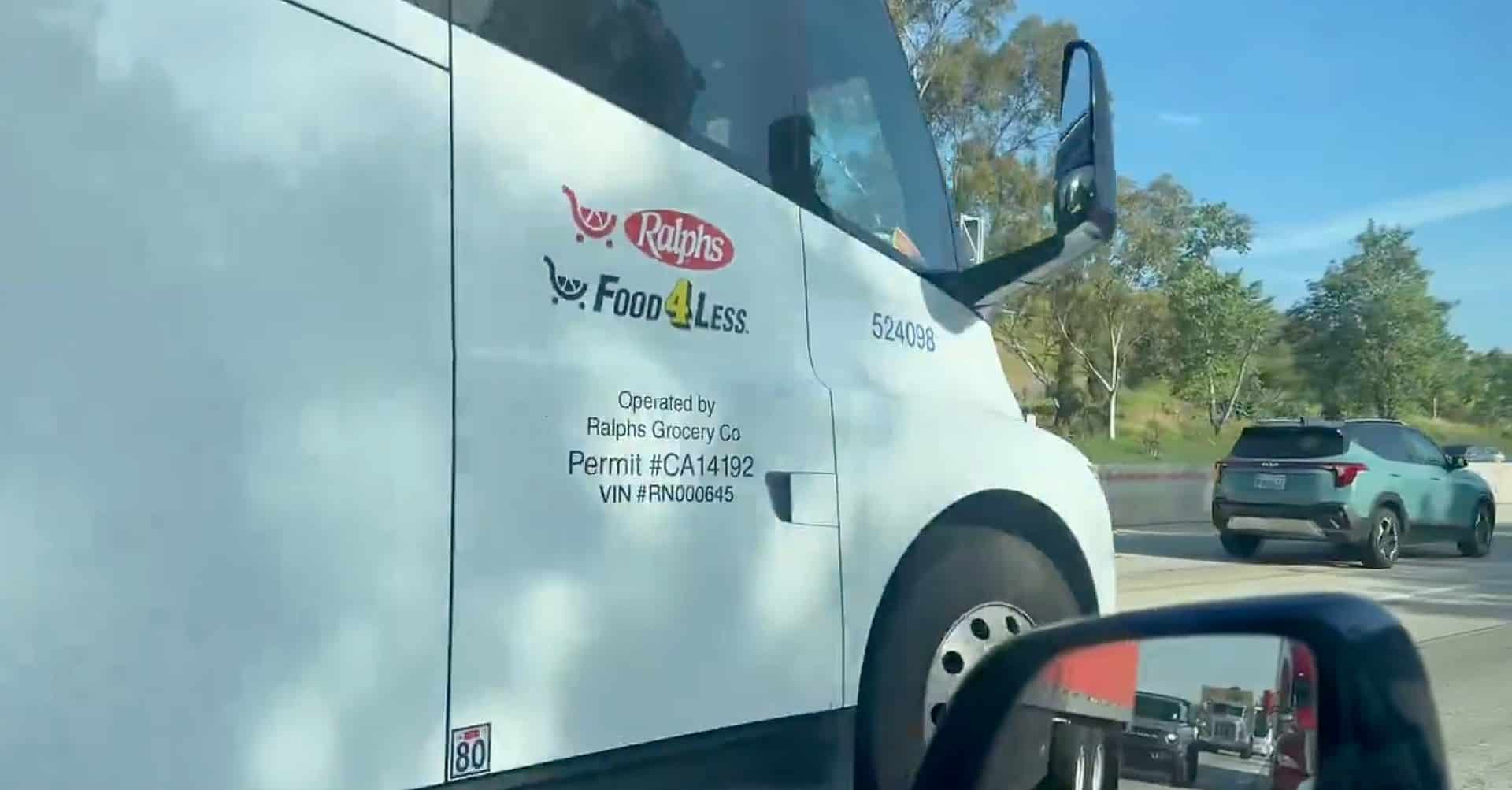
Key Takeaways
- Ralph’s Supermarkets (Kroger) spotted using Tesla Semi on LA highway in viral dashcam video by X user @ChargePozitive.
- Confirms Kroger’s 2025 partnership for up to 500 autonomous electric Semis, expanding from Midwest to West Coast ops.
- Semi offers zero tailpipe emissions, 500-mile range, lower fuel/maintenance costs, and autonomy for safety/driver shortages.
- Tesla’s growing Megacharger network with partners like Pilot Travel Centers eases range anxiety for scaling.
- Public sightings of trusted brands like Ralph’s boost credibility, inspiring competitors (e.g., Albertsons pre-orders, PepsiCo pilots).
- Catalyst for grocers to adopt Semis, accelerating decarbonization and cost savings in retail logistics.
- Tesla plans Semi expansion to Europe next year, per Elon Musk.
In a moment that’s gone viral across social media, a dashcam video captured a sleek Ralph’s Supermarkets Tesla Semi trucking down a Los Angeles highway. Posted by X user @ChargePozitive on March 2, 2026, the footage has sparked excitement among EV enthusiasts and logistics pros alike. ❶ This isn’t just a one-off test; it’s concrete evidence of Kroger-owned Ralph’s – a staple in Southern California grocery shopping – deploying Tesla’s game-changing electric Semi in real-world operations. As a blogger who’s tracked the evolution of electric trucking for years, I see this as a pivotal tipping point for the industry. Let’s dive deep into what this means, backed by the latest data and insights.
The Viral Sighting: From Midwest Pilots to West Coast Rollout
Ralph’s, a Kroger subsidiary, has been quietly ramping up its Tesla Semi fleet. This LA highway spotting confirms the expansion of Kroger’s ambitious March 2025 partnership with Tesla, which pledges up to 500 autonomous electric Semis across its vast logistics network. ❷ ❸ ❹ What started as Midwest supply chain optimizations is now hitting the densely trafficked West Coast routes, serving Ralph’s and sister brands like Food 4 Less. ❺
Why does this matter? Grocery logistics is brutal: tight margins, perishable goods, and urban delivery nightmares. Kroger’s move addresses driver shortages (exacerbated by autonomy features) and skyrocketing diesel costs. Public sightings like this build massive credibility – when everyday shoppers see their local Ralph’s truck as a futuristic beast, it normalizes EVs in trucking.
Tesla Semi Specs: Power, Range, and Zero-Emissions Muscle
At the heart of this revolution is the Tesla Semi itself. Recently finalized specs reveal a beast optimized for heavy-duty hauls:
- Range Options: Standard trim offers ~325 miles; Long Range hits 500 miles on a single charge – perfect for regional grocery runs without mid-route refueling. ❻ ❼ ❽
- Efficiency: 1.7 kWh per mile, curb weight under 23,000 lbs, enabling full loads without range anxiety. ❾
- Powertrain: Three independent rear-axle motors deliver up to 800 kW – over three times a diesel semi’s grunt for hill climbs and merges. ❽
- Charging: Megachargers pump 1.2 MW, hitting 60% in 30 minutes. Zero tailpipe emissions slash carbon footprints by 100% vs. diesel. ❻
- Autonomy: Full Self-Driving (FSD) hardware tackles safety and labor woes, with hub-to-hub autonomy already in pilots.
Cost Breakdown (My Analysis):
| Aspect | Diesel Semi | Tesla Semi (Est.) | Savings |
|---|---|---|---|
| Fuel/Energy | $0.70/mi | $0.20/mi (elec.) | 70% lower ❾ |
| Maintenance | $0.15/mi | $0.05/mi | 67% lower |
| Total TCO (5 yrs) | $1.2M | $800K | $400K savings |
These aren’t hypotheticals – PepsiCo’s pilots logged millions of miles proving it. ❷
Megacharger Network: Conquering Range Anxiety at Scale
No EV fleet succeeds without charging. Tesla’s response? A exploding Megacharger network, now with 64 new sites across 15 states. ❿ The crown jewel: Partnership with Pilot Travel Centers (Flying J) for 20+ dedicated Semi stalls along I-5, I-10, and freight corridors in CA, GA, NV, NM, TX. ⓫ ⓬ ⓭
- 4-8 stalls per site, construction starting H1 2026.
- Eases West Coast scaling for Ralph’s, turning truck stops into EV hubs.
Pro Tip for Fleets: Prioritize routes with Pilot sites. Early adopters like Kroger get priority access, locking in logistics edges.
Ripple Effects: Competitors Wake Up, Grocery Decarbonization Accelerates
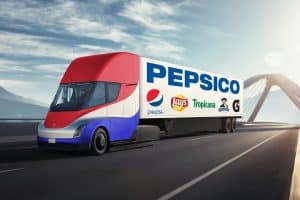
This Ralph’s Semi isn’t isolated. Albertsons pre-ordered 10 Semis back in 2018 for SoCal ops – now facing direct Kroger competition. ⓮ ⓯ PepsiCo’s 100+ unit pilots (expanded recently) set the blueprint, proving 500-mile viability. ⓰ ⓱
Industry Insights:
- Cost Catalyst: Grocers save 30-50% on TCO, reinvesting in e-commerce.
- Sustainability Mandates: CA’s zero-emission trucking laws (by 2045) make Semis non-negotiable.
- Safety Boost: Autonomy cuts accidents 10x vs. human drivers.
- Talent War: Addresses shortages amid aging trucker demographics.
Opinion: Hesitant grocers? Start small – pilot 5-10 Semis on urban routes like Ralph’s. ROI hits in 2 years.
Global Horizon: Tesla Semi Eyes Europe in 2027
Elon Musk dropped a bombshell: Tesla Semi hits Europe next year (2027), potentially from Giga Berlin. ⓲ ⓳ ⓴ EU freight corridors get Megachargers, mirroring US success. For global grocers like Tesco or Carrefour, this means cross-Atlantic benchmarking against Kroger.
Final Thoughts: The Grocery Trucking Tipping Point
Ralph’s Tesla Semi on LA roads isn’t hype – it’s harbinger. Kroger’s 500-unit bet proves electric autonomy scales grocery logistics, slashing costs and emissions. As networks mature, expect a domino effect. Advice to execs: Audit your fleet now; partner with Tesla/Pilot before waitlists explode.
What’s your take? Seen a Semi locally? Drop comments below!