 Gary Zhou
Key Takeaways
- Elon Musk revealed that SpaceX aims to catch the Starship Upper Stage with its launch tower by spring 2026.
- Flight 11 successfully completed all mission objectives, marking a significant milestone for the Starship program.
- The mission officially concluded the second-generation Starship and first-generation Super Heavy booster chapters, setting the stage for a new design focused on orbital missions.
- Musk hinted that Starship V3 could potentially reach Mars if development proceeds smoothly.
- The objective of achieving maximum reusability for Starship includes regular launch tower catches of both the Upper Stage and Super Heavy booster.
SpaceX’s Starship program continues to break new ground with each successful flight, marking a journey toward making space travel more sustainable and frequently accessible. The recent announcement by Elon Musk about their audacious plan to catch the Starship Upper Stage with a launch tower as early as 2026 heralds a new epoch in aerospace engineering. This post delves into the details of this plan, what it means for the future of space travel, and how it aligns with SpaceX’s broader mission.
The Milestone of Flight 11
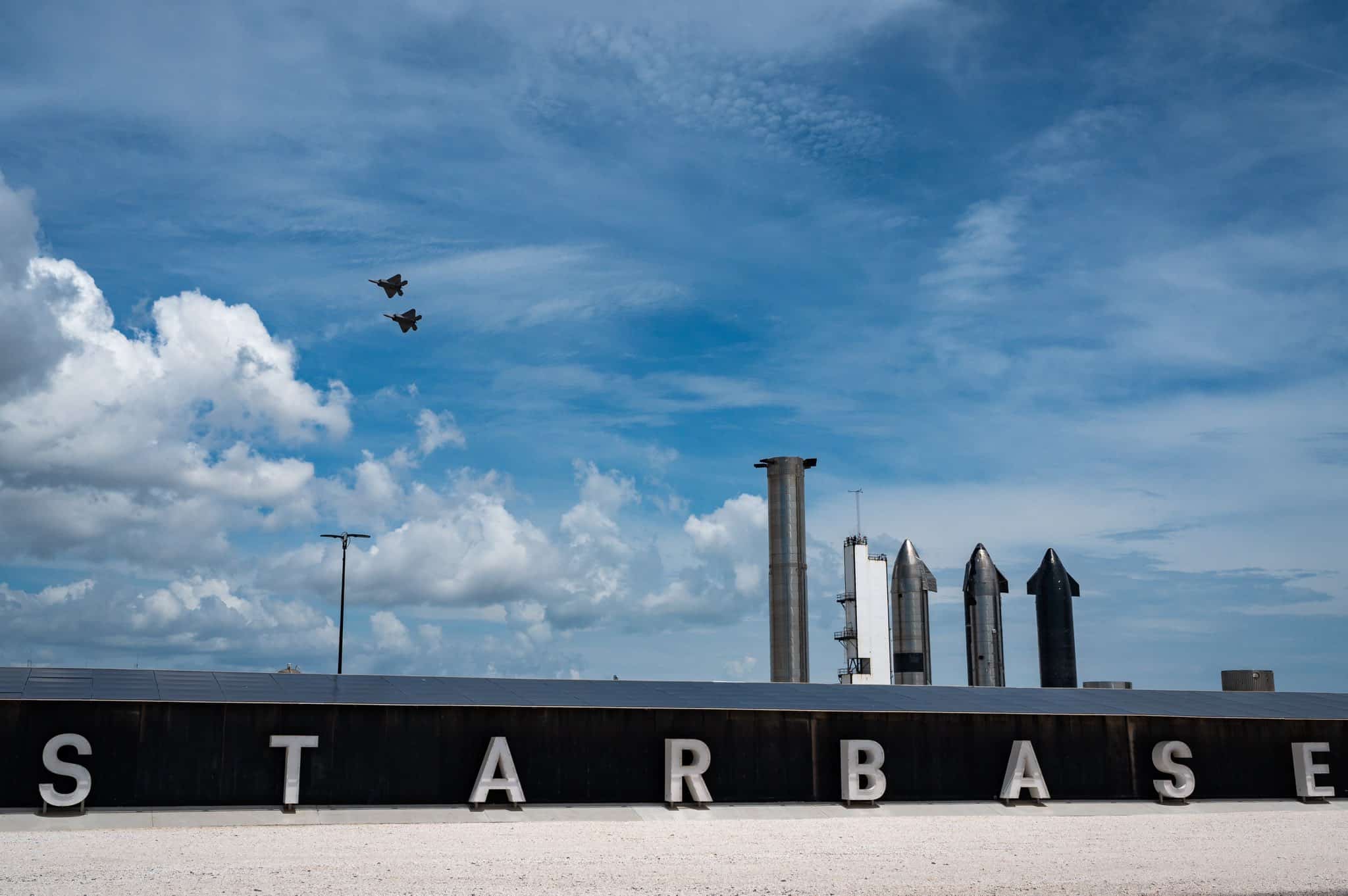
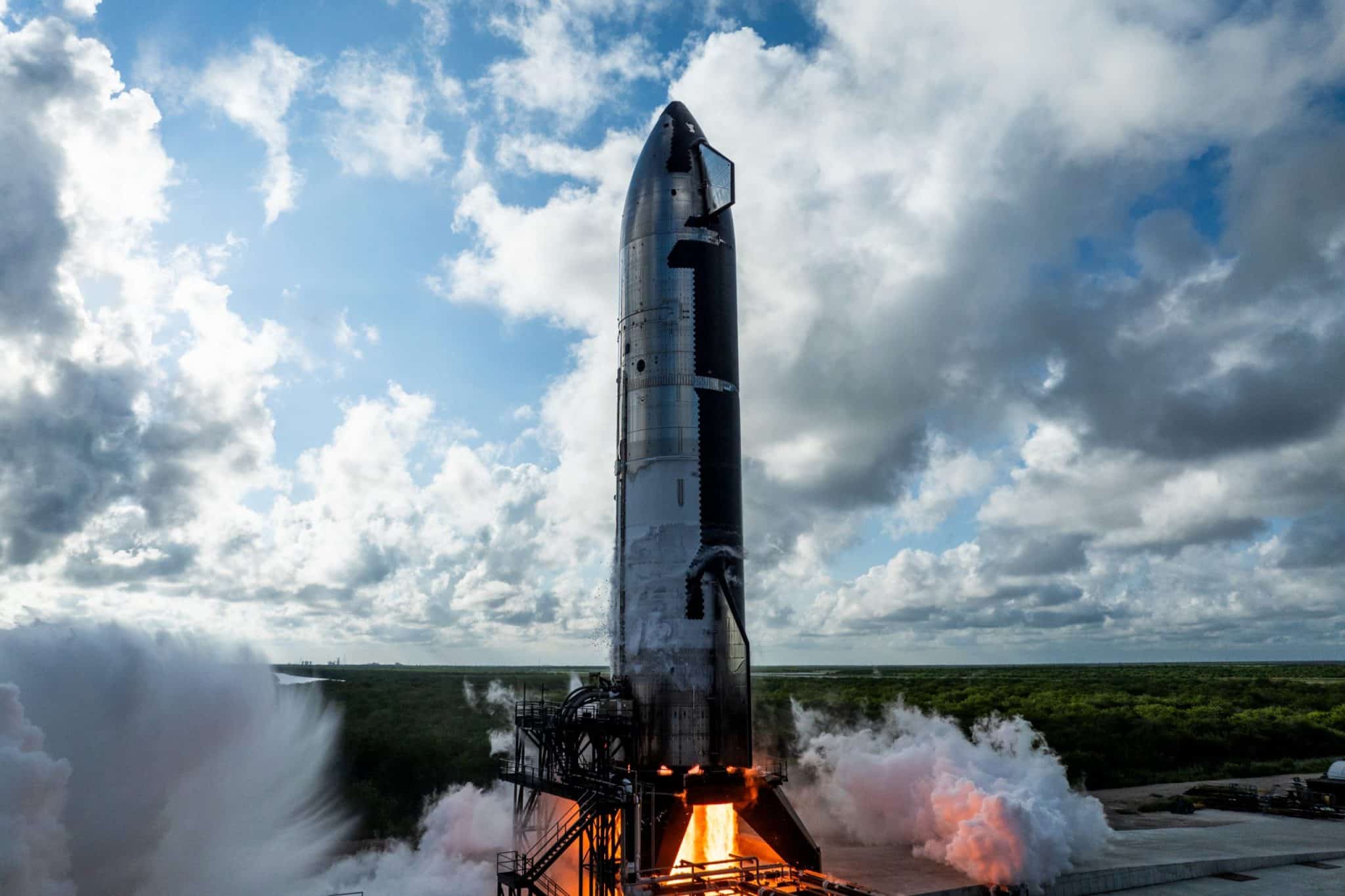
Starship Flight 11 represents a pivotal moment in SpaceX’s journey to the stars. Launching from the Starbase in Texas, this mission was integral in closing the chapter on both the second-generation Starship and the first-generation Super Heavy booster.
Key Achievements of Flight 11
- Mission Objectives Met: Flight 11 achieved all its mission objectives seamlessly, including a successful ascent, hover, and the soft splashdown of the Super Heavy booster in the Gulf of Mexico. Meanwhile, the upper stage skillfully executed an orbit burn, deployed Starlink simulators, and managed a controlled reentry over the Indian Ocean.
- Transition to New Designs: Completing the eleventh successful mission has set the foundational stage for SpaceX to transition towards a newly redesigned vehicle. This new vehicle design will be crucial for future orbital payload missions and is intended to support propellant transfer missions.
The Tower Catch Plan
Understanding the Tower Catch
The endeavor to utilize the launch tower to catch the Starship Upper Stage is an ambitious leap toward achieving true reusability. This innovation, humorously referred to as “chopsticks” by the spaceflight community, is aimed at reducing the turnaround time between launches and further minimizing costs.
Timeline for the Attempt
- Expected Timeline: According to Musk’s statements, SpaceX plans to attempt the first tower catch by the spring of 2026. This time frame allows sufficient room for testing and ensuring the system’s reliability and safety.
What Lies Ahead with Starship V3
Perhaps most exciting is the potential that lies within the Starship V3. Musk has hinted at capabilities that could extend the spacecraft’s reach to Mars, assuming development continues successfully.
Potential Features of Starship V3
- Enhanced Reach: Starship V3 is speculated to be equipped for interplanetary travel, potentially reaching as far as Mars.
- Maximized Reusability: Continuing the goal of reusability, V3 could further optimize systems for both the Starship Upper Stage and the Super Heavy booster catches by the launch tower.
SpaceX’s drive towards a reusable Starship rocket system is more than a technical endeavor; it’s a revolutionary stride in reshaping how humanity perceives space travel. With each mission and every challenge they overcome, SpaceX edges closer to making their vision of frequent, reliable space travel a reality. The spring tower catch of 2026 and the anticipation of Starship V3 signify not just milestones but a continuation of the pioneering journey to interstellar exploration.