 Gary Zhou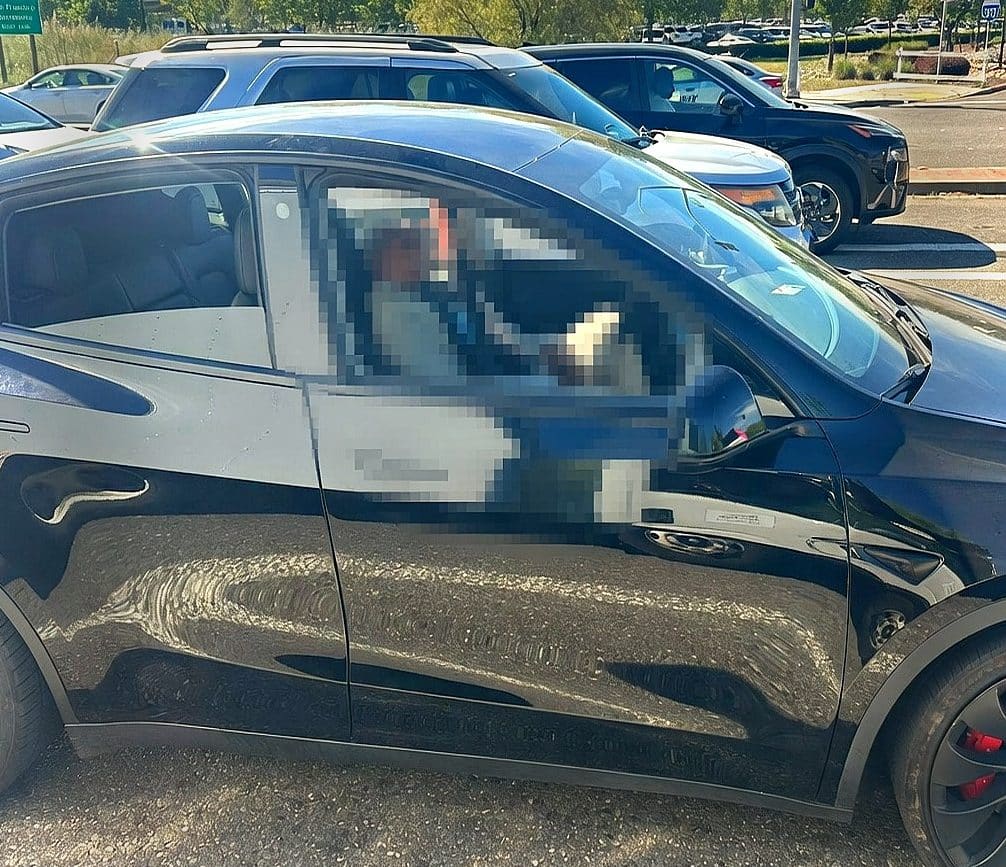
Key Takeaways
- A Vacaville man was arrested for DUI after being found passed out in his self-driving Tesla Model Y, which navigated traffic safely.
- The driver was unconscious from alcohol and marijuana, with no medical emergency—just a “drunken nap.”
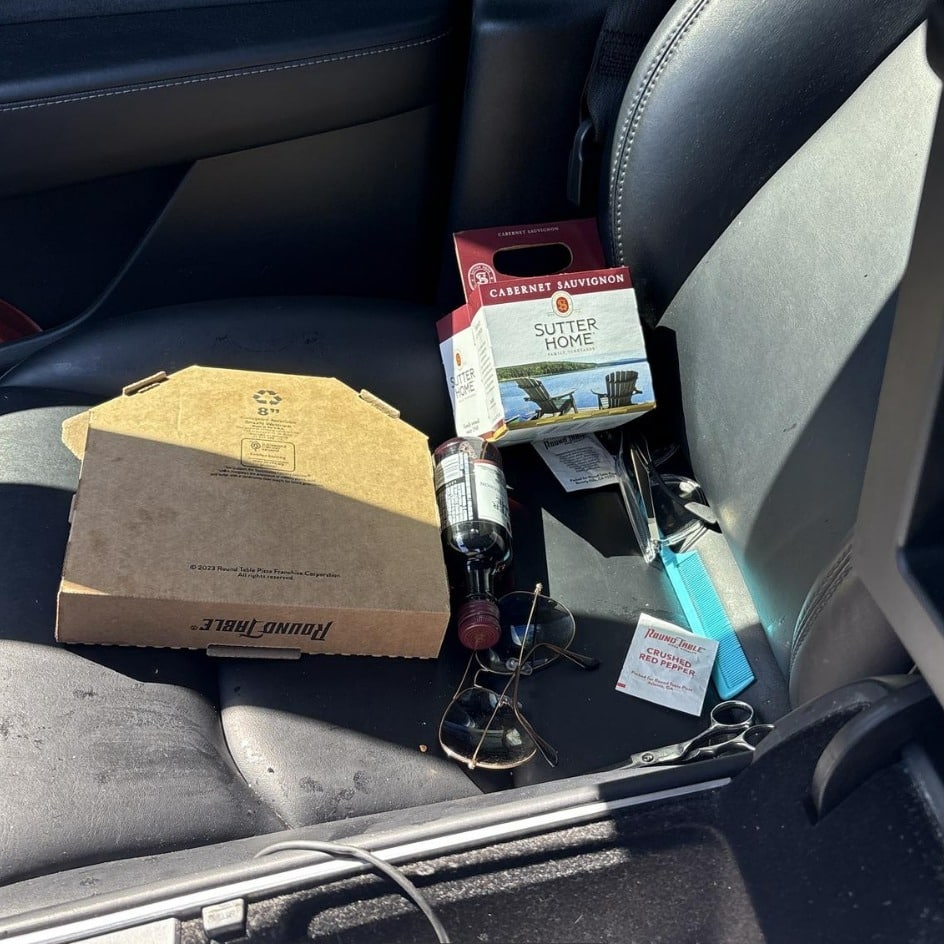
- Passenger seat contained a four-pack of Sutter Home wine and Round Table pizza.
- Concerned citizen alerted Vacaville Police via dispatch, guiding them to the intersection of Elmira Road and Shasta Drive.
- California law requires drivers to remain conscious, alert, and sober even when using Tesla’s Full Self-Driving (FSD) features.
- Facebook comments highlighted humor: one noted the vehicle had more situational awareness than the driver; another punned “Sutter all the way home.”
- Elon Musk previously endorsed FSD for tasks like texting in low-risk traffic, calling it safer than manual distractions.
Imagine cruising through busy city streets in your Tesla Model Y, hands off the wheel, eyes closed, enjoying what you think is a well-deserved nap—courtesy of Full Self-Driving (FSD) technology. Sounds futuristic, right? But for one Vacaville, California man on March 27, 2026, this scenario turned into a DUI arrest faster than you can say “autopilot.” ❶ ❷ Around 11 a.m. in broad daylight, a concerned citizen spotted the black Tesla navigating traffic autonomously while the driver was slumped over, completely unconscious. Police arrived, confirmed no medical emergency, and hauled him away for driving under the influence (DUI) of alcohol and marijuana. The kicker? The passenger seat was littered with a Round Table pizza box and a four-pack of Sutter Home Cabernet Sauvignon mini wine bottles—evidence of a boozy feast. ❸
This isn’t just a quirky news story; it’s a stark warning about the blurred lines between human responsibility and machine intelligence in the era of advanced driver-assistance systems (ADAS). As a blogger specializing in autonomous vehicles, Tesla tech, and road safety laws, I’ve followed the evolution of FSD closely. This incident underscores a critical truth: your Tesla might drive better drunk than you do, but the law doesn’t care. Let’s dive deep into the details, legal implications, Tesla’s role, and lessons for every EV owner.
The Incident Unfolded: From 911 Call to Handcuffs
Timeline of Events
Here’s how it went down, pieced together from police reports and eyewitness accounts:
- The Alert: A vigilant community member called Vacaville Police dispatch around 11 a.m., providing real-time updates on the Tesla’s location as it moved through busy streets. They guided officers to the intersection of Elmira Road and Shasta Drive. ❹
- Police Response: Officers intercepted the still-moving vehicle. The driver was passed out—head back, tilting left—clearly not experiencing a medical issue but rather a “drunken nap.” ❶
- The Bust: A quick search revealed impairment from alcohol and marijuana. No injuries were reported, but the man was arrested on suspicion of DUI. ❷
Photos released by Vacaville PD show the Tesla’s unique door handles and the damning passenger seat setup: pizza remnants and those incriminating wine bottles. The vehicle had safely handled traffic, stoplights, and turns without a hitch—proving FSD’s prowess in real-world chaos. ❸
Why the Tesla Kept Going Safely
Tesla’s FSD (Supervised) is a Level 2 ADAS system, meaning it handles steering, acceleration, and braking but requires constant human oversight. In this case, it performed flawlessly, with “more situational awareness than the driver,” as one Facebook commenter quipped. Another punned, “Sutter all the way home.” Public reaction was a mix of humor and horror, highlighting how normalized risky behavior has become with this tech. ❷
California’s DUI Laws: No Free Pass for Self-Driving Cars
Don’t let the headlines fool you—self-driving features do not shield you from DUI charges. California Vehicle Code Section 23152 holds the human “operator” accountable, even with Autopilot or FSD engaged. ❺
Key Legal Principles
- Driver Responsibility: You must remain “conscious, alert, and sober.” Vacaville PD emphasized: “California drivers are permitted to use newer assistive driving safety features… but they still need to be conscious, alert, and not under the influence.” ❶
- Level of Autonomy Matters: Current Teslas are Level 2—no full autonomy. Courts view you as in “physical control” if you’re behind the wheel. ❺
- Precedents: Similar arrests have occurred, like erratic Autopilot drivers pulled over for swerving due to impairment.
Penalties: They’re No Joke
First-time DUI in CA? Expect:
- Fines: $390–$1,000 (plus hidden fees pushing it to $10,000+).
- License Suspension: 6–12 months.
- Jail: Up to 6 months (rare for first-timers).
- Programs: 3+ months of DUI school. Repeat offenses or accidents? Felony territory with years of probation, ignition interlocks, and skyrocketing insurance. ❺
My Take: Lawmakers are playing catch-up. While bills address rogue robotaxis (e.g., Waymo U-turns), personal AV misuse like this exposes gaps. Expect stricter FSD regulations soon.
Elon Musk and Tesla FSD: Pushing Boundaries on Distractions
Elon Musk has been vocal about FSD’s safety. In December 2025, he tweeted that FSD v14.2.1 allows “texting and driving depending on surrounding traffic,” claiming it’s safer than manual driving with distractions. ❻ ❷ Testers confirmed minimal alerts in low-congestion scenarios, but legal bans on phone use persist in nearly all states.
FSD’s Capabilities vs. Reality
| Feature | Claimed Benefit | Real-World Limit |
|---|---|---|
| Navigation | Handles city streets autonomously | Requires supervision; fails in edge cases ❷ |
| Distraction Tolerance | Texting OK in traffic | Illegal; Tesla warns to stay attentive ❻ |
| Safety Stats | Safer than humans | Data shows supervision lapses lead to crashes |
Opinion: Musk’s optimism drives innovation, but it risks moral hazard. This Vacaville case proves FSD can save you from yourself—temporarily—but courts won’t buy “the car was driving” as a defense.
Broader Insights: The Future of AVs and Road Safety
Dangers of Complacency
- Human Error Amplified: 94% of crashes involve human factors; FSD reduces this, but impaired “supervisors” create new risks.
- Public Perception: Stories like this fuel anti-Tesla sentiment, slowing adoption.
- Tech Evolution: By 2030, Level 4 autonomy might change laws, but we’re years away.
Advice for Tesla Owners
- Stay Sober: Treat FSD like cruise control—eyes on road, hands ready.
- Know Your Limits: Use in ideal conditions; disable for fatigue/alcohol.
- Legal Prep: If charged, consult AV-savvy DUI attorneys to argue tech mitigation.
- Report Risks: Kudos to the 911 caller—be that hero.
- Software Updates: Keep FSD current, but don’t over-rely.
Pro Tip: Install a dashcam. It could exonerate you in “he said, she said” stops.
Public Reaction and Social Media Buzz
Facebook erupted:
- “The car had more awareness than the driver!” 😂
- “Sutter Home: Delivering you home… eventually.” 🍷
This viral mix of laughs and lessons shows society’s fascination—and caution—with AVs.
Drive Responsibly in the Autonomous Age
The Vacaville Tesla DUI is a hilarious-yet-harrowing reminder: technology evolves faster than laws or human judgment. FSD is revolutionary, safely threading needles while we nap—but it’s no babysitter. Stay alert, sober, and in control. The roads are shared, and one “nap” could end in tragedy.
What do you think—should FSD include “impairment detection”? Drop your thoughts below!