 Gary Zhou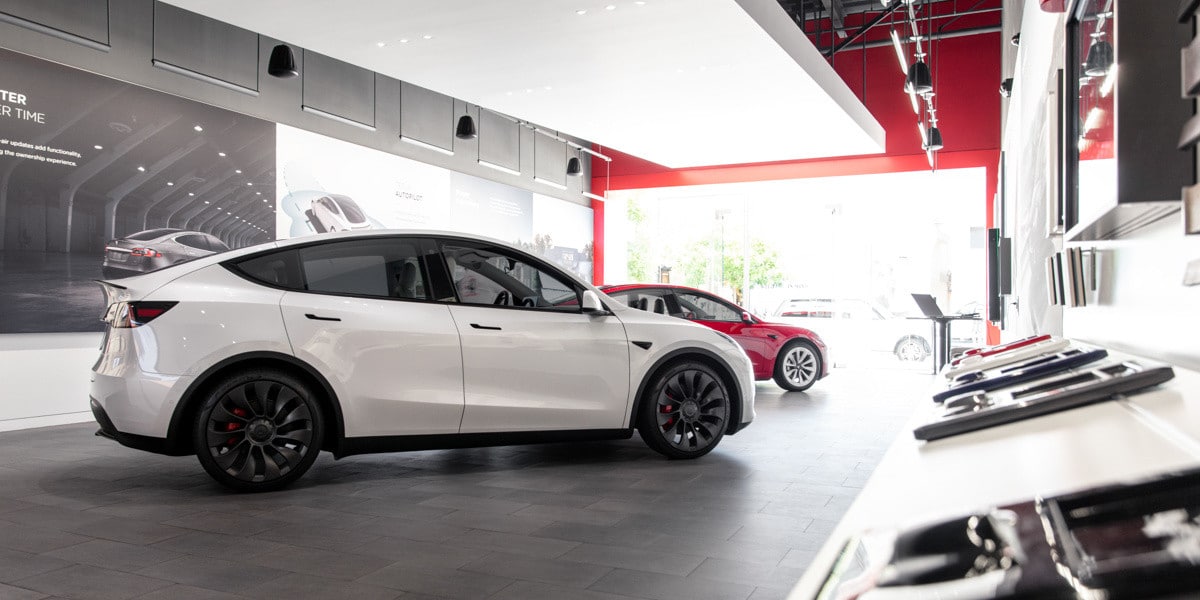
Key Takeaways
- Tesla to launch its Robotaxi platform in Austin on June 12.
- Elon Musk announces self-delivery of Teslas by next month, eliminating showroom visits.
- Tesla focuses on a camera-only approach for its self-driving technology, unlike competitors.
- Full Self-Driving ranked high among Advanced Driver Assistance Systems, but remains non-fully autonomous.
- Safety is prioritized as Tesla plans to expand the Robotaxi fleet based on proven results.
- Users may be able to visit Austin and hail a Robotaxi by the end of June.
Tesla, under the visionary leadership of Elon Musk, is on the brink of transforming the transportation landscape. With groundbreaking innovations such as the upcoming launch of the Robotaxi platform in Austin and the self-delivery of Tesla vehicles, the future Elon has envisioned is swiftly becoming a reality. As these pioneering projects unfold, they promise not only to redefine convenience and automation but also to challenge traditional automotive norms.
Tesla’s Robotaxi Platform: Launch in Austin
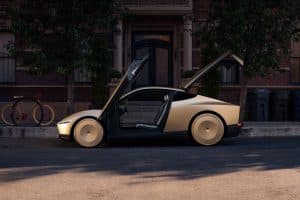
June 12 marks a pivotal day in Tesla’s journey towards an autonomous future. On this date, the highly anticipated Robotaxi platform will debut in Austin, Texas.
Key Highlights:
- Initial Rollout: The platform will commence with around 10 Model Y SUVs navigating Austin, intending to expand as safety assessments are completed.
- User Experience: By the end of June, visitors and residents alike may experience the novelty of hailing a Robotaxi in Austin, truly a first-in-class service.
The Innovative Leap: Self-Delivery of Tesla Vehicles
Elon Musk’s announcement of the self-delivery of Teslas sets a new benchmark for car delivery methods.
Mechanics of Self-Delivery:
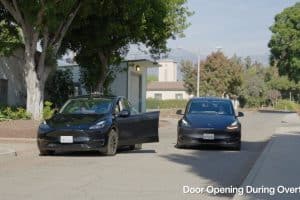
This initiative enables Teslas to autonomously drive to the customers without human intervention, eliminating the need for showroom visits. It is a game-changer for consumers seeking streamlined and contact-free transaction methods.
The Technology Behind Tesla’s Autonomous Solutions
Camera-Only Approach
Unlike many of its competitors, Tesla’s self-driving technology relies solely on camera systems rather than traditional sensor fusion models, which often include LiDAR. This method underscores Tesla’s commitment to achieving full autonomy through sophisticated software algorithms:
- Advantages of Camera-Only Systems:
- Lower costs and easier scalability.
- Enhanced capability of deep neural networks to process visual data akin to human perception.
Full Self-Driving (FSD) System
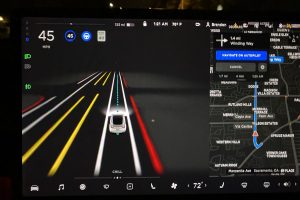
Tesla’s Full Self-Driving system remains highly rated among Advanced Driver Assistance Systems (ADAS) despite not yet achieving complete autonomy.
- Current Capabilities: Effective for tasks like highway navigation, lane switching, and traffic light handling.
- Future Aspirations: Transforming Tesla cars into full-fledged autonomous vehicles.
Prioritizing Safety and Expansion
Safety is Tesla’s utmost priority. The gradual expansion of the Robotaxi fleet will rely on proven safety results, ensuring user trust and system dependability:
- Safety Measures:
- Rigorous in-field testing.
- Continuous updates and enhancements through over-the-air software updates.
Transformative Impact on the Industry
Tesla’s proactive steps towards autonomous vehicle deployment highlight a broader trend in the automotive industry towards automation, convenience, and sustainability.
- Consumer Benefits:
- Reduced ownership costs.
- Increased accessibility to sustainable transport options.
- Industry Influence:
- Poses a competitive challenge to traditional car manufacturers.
- Encourages industry-wide innovation in autonomous technologies.
A Glimpse into the Autonomous Future
Tesla’s launch of the Robotaxi platform and self-delivery system could reshape not just consumer expectations but urban transportation networks at large. These advancements underscore an approaching era where digitally driven solutions drive mobility, fostering a seamless integration of AI into daily commutes.