 Gary Zhou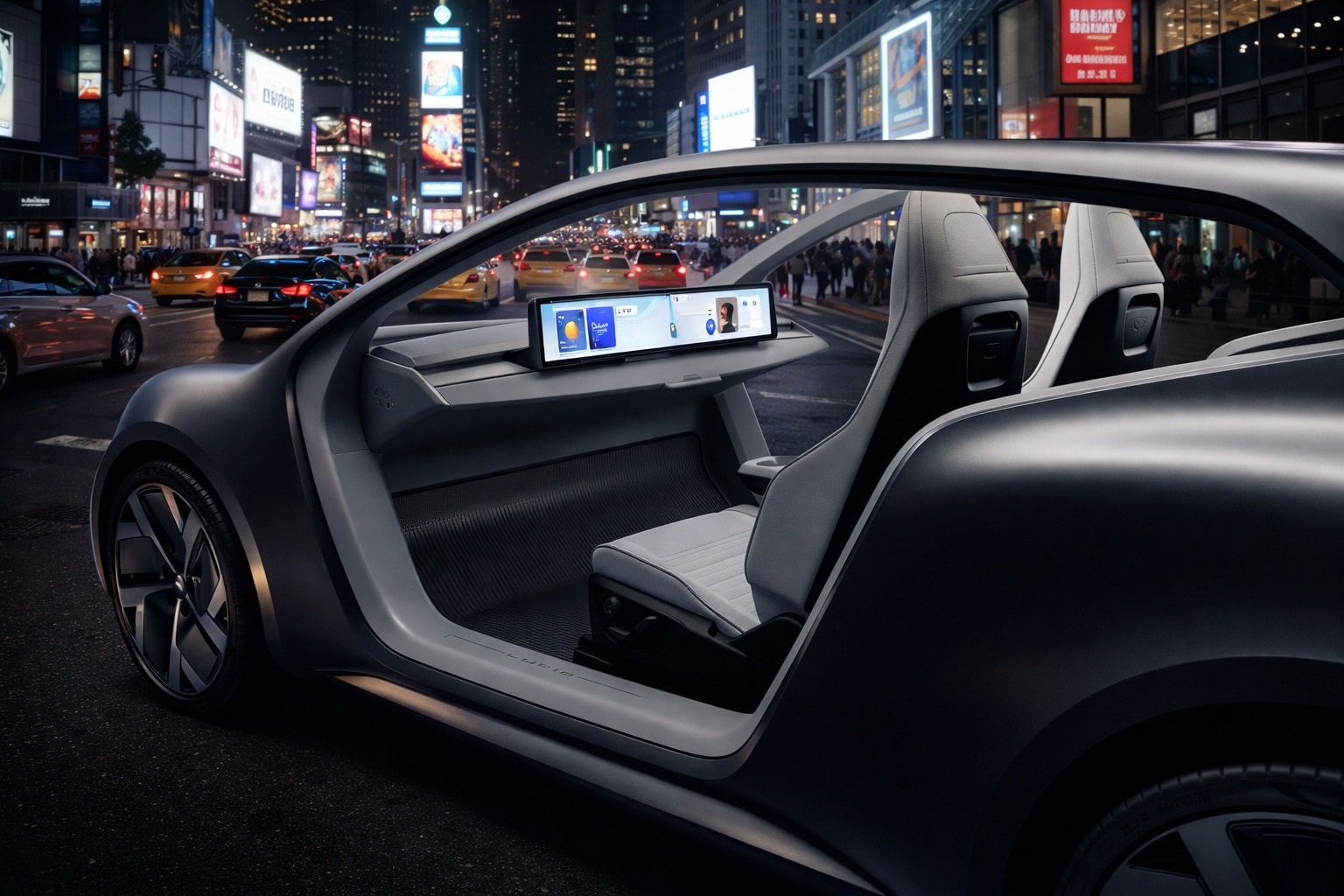
Key Takeaways
- Lucid unveiled the Lunar robotaxi concept at its 2026 Investor Day, built on the new Midsize EV platform for autonomous ride-hailing.
- Lunar mirrors Tesla’s Cybercab with two seats, no driver controls, and a focus on fleet economics using the redesigned Atlas drive unit.
- Tesla’s Cybercab, first teased in 2019 and unveiled in 2024, is now in road testing, with production goals of one every 10 seconds and costs under 20 cents per mile.
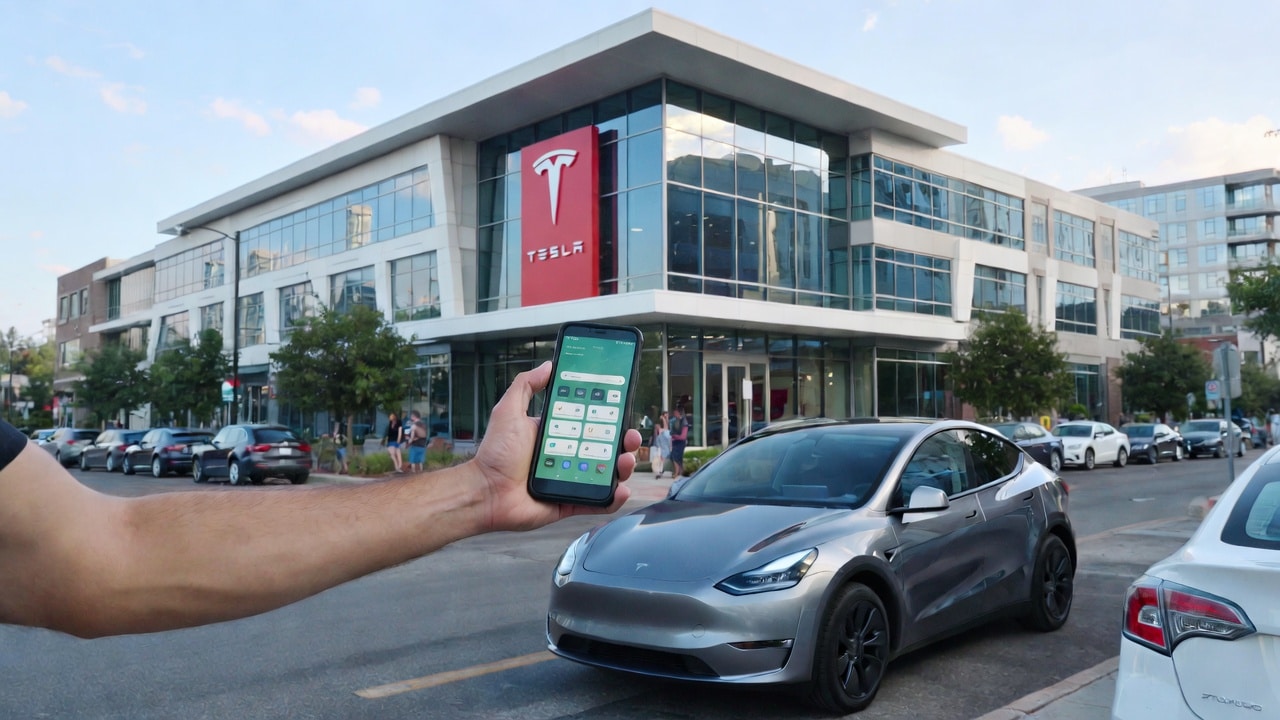
- Tesla runs a small supervised robotaxi service in Austin using Model Ys, aiming for its own ride-hailing network.
- Lucid partners with Uber for deployment, with CEO Dara Khosrowshahi praising Lucid’s engineering and autonomous architecture.
- Lucid plans recurring software revenue via in-vehicle AI and autonomous subscriptions ($69-$199/month), similar to Tesla’s FSD model.
- No launch date for Lunar yet, but it enters amid Tesla’s regulatory hurdles and maturing robotaxi market.
In a bold move at its 2026 Investor Day on March 12, Lucid Motors didn’t just talk strategy—they unveiled the Lunar, a sleek two-seat robotaxi concept that’s gunning straight for Tesla’s Cybercab throne. ❶ ❷ This isn’t hype; it’s Lucid signaling its pivot from luxury sedans to mass-market autonomy, leveraging a groundbreaking Midsize EV platform and a powerhouse Uber partnership. As Tesla grapples with regulatory scrutiny and scaling challenges, Lucid’s entry could reshape the $10 trillion robotaxi market. In this deep dive, we’ll unpack the specs, comparisons, business model, and why Lunar might just steal the spotlight.
The Big Unveil: Lucid Investor Day 2026 Highlights
Lucid’s first major investor event in nearly five years was a masterclass in ambition. Held in New York, it outlined a “disciplined path to profitable scale,” with Lunar stealing the show as a purpose-built autonomous ride-hailer. ❸ ❹
- Key Announcements:
- Lunar robotaxi concept on the new Midsize platform.
- Three upcoming consumer SUVs (e.g., Cosmos, Earth) priced under $50,000.
- Path to positive free cash flow late this decade.
- New recurring revenue streams via AI subscriptions.
CEO Peter Rawlinson emphasized efficiency and fleet economics, positioning Lucid as the engineering powerhouse ready for the autonomy era. ❺ Live demos and animations (partially redacted in public PDFs) showcased Lunar’s pod-like design, optimized for urban robotaxi fleets.
Lunar’s Killer Specs: Efficiency That Crushes the Competition
Lunar isn’t just a pretty concept—it’s engineered for dominance in operating costs, a make-or-break for robotaxis.
Core Features:
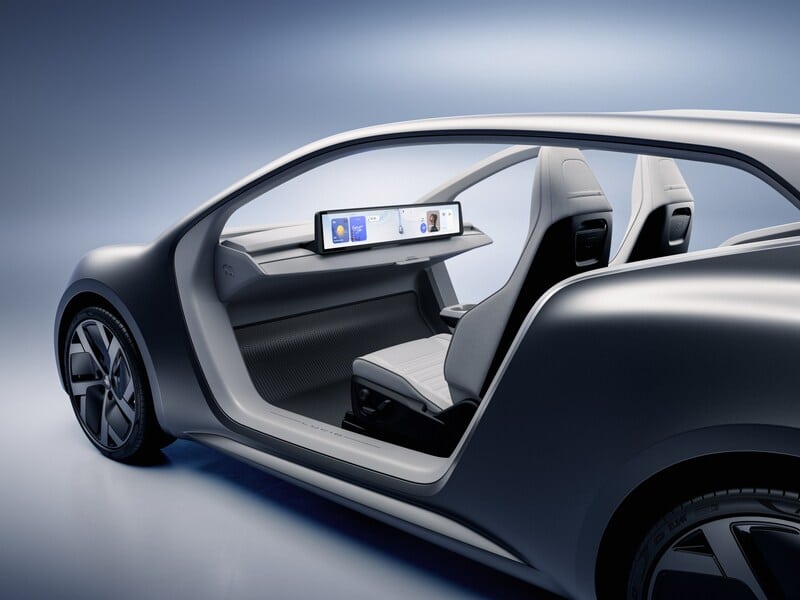
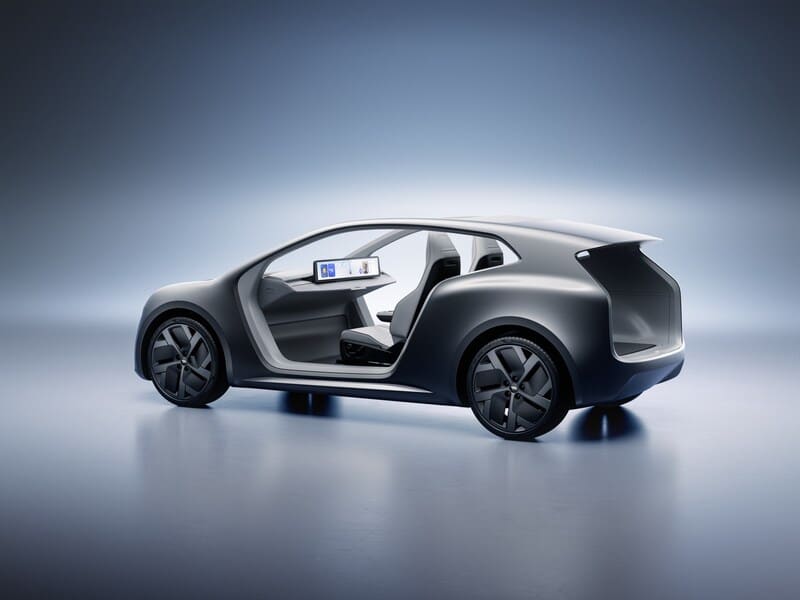
- Seating & Controls: Two butterfly doors, two seats, zero steering wheel or pedals—pure passenger focus, echoing Cybercab. ❻
- Efficiency: Targets 5.5-6.0 mi/kWh, translating to over 400 miles of range on a compact battery. That’s 40-50% better than typical EVs, slashing energy costs. ❼ ❽
- Charging: Over 200 miles added in 15 minutes via 800V architecture.
- Drive Unit: Redesigned Atlas—30% fewer parts, 37% cost reduction, identical front/rear units for AWD simplicity. Lighter and smaller than prior Lucid motors. ❾ ❿
- AI & Autonomy: Thor chip at 1,000 TOPS (trillion operations per second), dwarfing Tesla’s HW4. In-vehicle AI for subscriptions. ⓫
- Cost Savings: 40% lower per-mile operating costs, ideal for high-utilization fleets. ⓬
No firm launch date yet—expect prototypes by 2027-2028, production late decade—but it’s built for scale on the Midsize platform debuting with SUVs in 2026-2027. ⓭
Lunar vs. Tesla Cybercab: Head-to-Head Showdown
Tesla’s Cybercab, teased in 2019 and unveiled in 2024, set the robotaxi benchmark: unsupervised FSD, production at one every 10 seconds, under 20¢/mile. ⓮ But Lucid’s Lunar counters with superior efficiency and partnerships.
| Feature | Lucid Lunar | Tesla Cybercab |
|---|---|---|
| Seats | 2 | 2 |
| Controls | None | None |
| Efficiency | 5.5-6 mi/kWh (>400 mi range) | ~4 mi/kWh (est.) |
| Charging | >200 mi/15 min | 800V, rapid (details TBD) |
| Autonomy Hardware | Thor (1,000 TOPS) | AI5/HW5 (est. 2,000+ TOPS) |
| Production Goal | Fleet-scale (no date) | 1/10s by 2027 |
| Current Status | Concept | Road testing in Austin |
| Partners | Uber, Nuro | Tesla Network only |
Tesla’s Edge: Real-world testing—mirrorless prototypes roam Austin streets, small supervised Model Y service operational, unsupervised rides launched Jan 2026. ⓯ ⓰
Lucid’s Edge: Efficiency wins on TCO (total cost of ownership). Cybercab faces NHTSA probes; Lunar rides Uber’s global network for faster rollout. ❻
Opinion: Lunar’s aero-minimalist design (city-optimized, less “midlife crisis” flash) prioritizes profits over wow-factor. Tesla leads in data (billions of FSD miles), but Lucid’s hardware leap could close the gap. ⓱
The Uber Power Play: Why Partnerships Trump Solo Acts
Lucid-Uber isn’t casual—it’s a “key strategic partner” quote from CEO Dara Khosrowshahi, praising Lucid’s “engineering and autonomous architecture.” ❹ Details:
- Deploy Lunar via Uber’s app worldwide.
- Ties into Nuro-Lucid-Uber trio: 20,000+ Level 4 Gravity SUVs by 2026, expanding to Lunar. ⓲ ⓳
- Uber aims for robotaxis in 15 cities by end-2026. ⓴
Insight: Tesla’s walled-garden (Tesla Network) limits scale; Uber gives Lucid instant demand in 10,000+ cities. Advice for investors: Watch Uber’s AV metrics—they’re the real robotaxi bellwether.
Midsize Platform: Lucid’s Affordable EV Revolution
Lunar’s foundation is the Midsize platform:
- Atlas Drive Unit: Modular, cost-optimized (37% cheaper), 4.5 mi/kWh on SUVs.[21][22]
- Models: Cosmos SUV (Q4 2026), Earth, plus Lunar—targeting Model Y turf.
- Battery/Architecture: 800V, structural pack for lightness.
This platform flips Lucid from niche luxury to volume player, mirroring Tesla’s Model 3/Y pivot.
Monetization Magic: Subscriptions Fuel Recurring Revenue
Lucid eyes Tesla’s FSD playbook:
- AI/Autonomy Subs: $69-$199/month for in-car AI, dreaming, updates.
- Fleet Economics: Low opex + high utilization = 70%+ margins long-term.
Advice for Operators: Prioritize efficiency over range—Lunar’s 6 mi/kWh could yield $1-2/mile revenue at 30¢/mile cost.
Challenges, Outlook, and My Take
Hurdles:
- No timeline—regulatory green lights needed (Tesla’s Austin wins help benchmark).
- Scaling production amid cash burn.
- Competition: Waymo, Cruise scaling now.
Bull Case: Lucid hits profitability 2028-2030, Uber deploys 100k+ units. Robotaxi market: $1T by 2030.
My Opinion: Lucid’s underrated. Tesla’s hype machine dominates, but Lunar’s efficiency + Uber = stealth winner. Investors: Buy LCID dips; operators: Prep for Uber-Lucid fleets. The robotaxi era isn’t Tesla-only—Lunar proves it.
What do you think? Will Lunar lap Cybercab? Drop comments below!