 Gary Zhou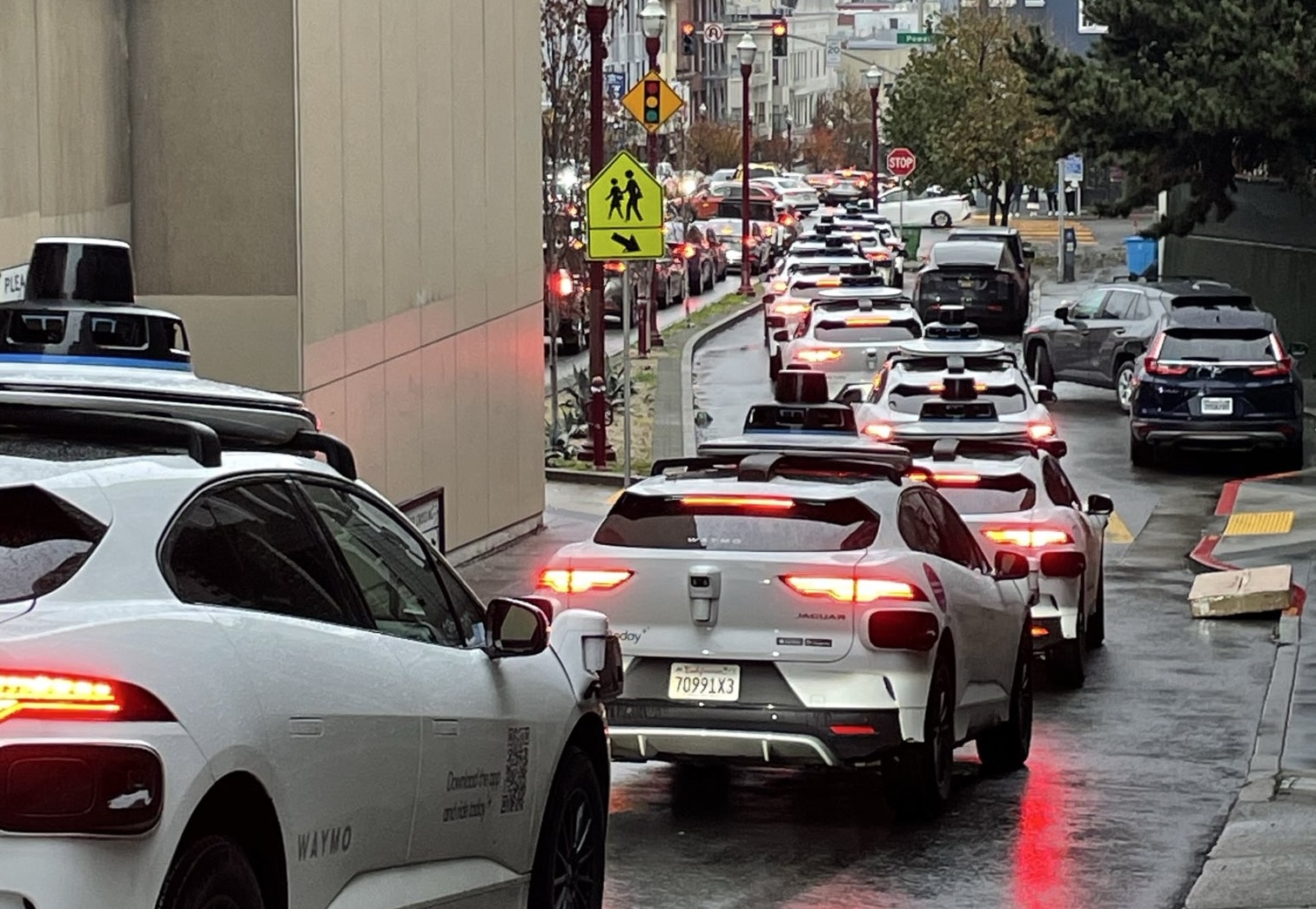
Key Takeaways
- Power outage in San Francisco caused Waymo self-driving taxis to stop at intersections, leading to traffic blockages.
- Numerous Waymo vehicles became immobilized during the outage as traffic signals were nonfunctional, frustrating drivers and riders.
- Waymo temporarily suspended its Bay Area service at the request of the San Francisco mayor’s office due to congestion issues.
- Experts noted that autonomous vehicles struggled to operate as expected during the outage, which is unusual since they are designed to handle such situations.
- Waymo is focused on learning from the incident to improve their technology’s response to traffic disruptions in the future.
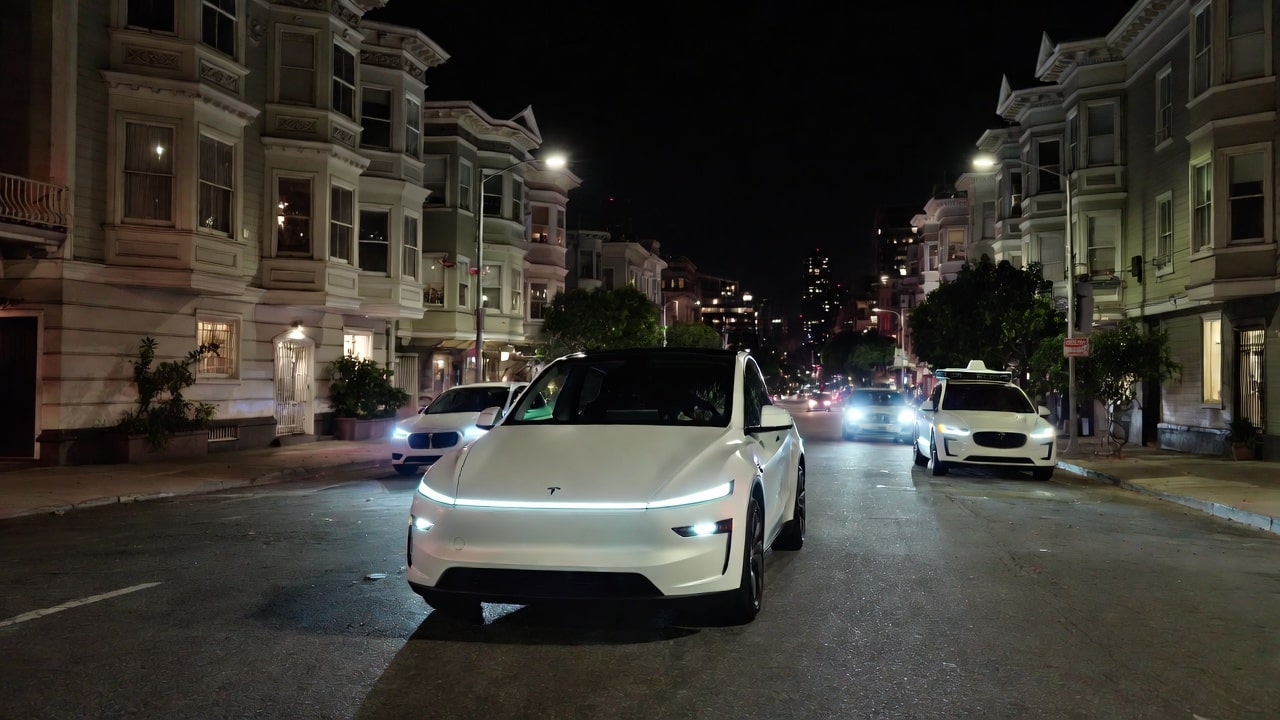
In a world steadily rolling towards autonomy, self-driving cars are hailed as a marvel of modern technology. They promise efficiency, safety, and convenience. But what happens when technology that drives itself meets an unplanned obstacle? This is precisely what transpired recently in San Francisco when a power outage caused the city’s traffic ecosystem, especially the Waymo self-driving taxis, to face an unexpected jam—both literally and figuratively.
San Francisco’s Blackout: A Hiccup in Autonomous Innovation
Over a hectic weekend, a massive power outage cast a shadow over San Francisco, plunging the city into a state of chaos as traffic signals went down. As the traffic lights stopped blinking, so did Waymo’s self-driving taxis. The outage, covering vast parts of the city, brought to the forefront a gaping hole in the otherwise steadily advancing world of autonomous vehicles.
Why Did Waymo Vehicles Come to a Halt?
When the power outage struck, the efficiency of Waymo vehicles was severely tested. Autonomous vehicles are typically engineered to handle scenarios like signal outages. However, the sheer scale and duration of the blackout contributed to disruption. Waymo vehicles treated the inactive traffic signals as four-way stops, yet remained incapacitated longer than their human counterparts might have, leading to gridlock.
Experts attribute this malfunction to two possibilities:
- Dependence on Remote Updates: A reliance on real-time data and remote personalized assistance, which vehicles may have lost access to during the blackout.
- Decision-Making Mechanisms: The decision-making aspect of these machines might require tweaking to adapt to unexpected and prolonged signal downtimes.
Government Intervention and Waymo’s Operational Pause
San Francisco’s governing body intervened during the gridlock, prompting Waymo to suspend its services momentarily to ease the strain on the city’s already troubled roads. The temporary halt was not just a move of civic responsibility but also a time for Waymo to introspect on their technology’s vulnerabilities.
This decision led to inconveniences:
- Riders were left stranded.
- Additional congestion was created by other operating vehicles attempting to navigate the disorder.
- Increased calls for municipal actions to regulate and manage autonomous fleets.
Government Response Highlights:
- Coordination: Prompt communication with Waymo to temporarily halt services.
- Traffic Management: Engagement with local traffic management systems to mitigate compounded effects of the blackout.
- Public Assurance: Ensuring citizens about ongoing measures to prevent future occurrences of similar congestion issues.
Waymo’s Learning Curve and The Road Ahead
As the dust settled, Waymo publicly acknowledged the incident’s implications, vowing to learn and adapt. This incident has become a pivotal nodal point, pushing the company to refine their technology to effectively integrate emergency handling capabilities.
Waymo’s Improvement Strategies:
- Enhanced Signal-Outage Algorithms: Developing improved algorithms that allow a better understanding and adaptation to prolonged signal failures.
- Local Data Ecosystems: Creating data hubs that support autonomous vehicles with critical information even in the event of connectivity loss.
- Community Trust Building: Engaging with local communities to rebuild trust and ensure the reliability of autonomous technology even during crises.
Turning Obstacles into Opportunities for Betterment
While the recent traffic snarl paints a grim picture momentarily, it also lights a path for future improvements. Such setbacks not only offer a chance for introspection but also bolster chances for innovation.
The journey to autonomy is strewn with challenges, and each provides a valuable lesson for both the pioneers of robotics and society at large. Waymo and the likes in the industry now stand at a crucial crossroads. Changing lanes here effectively will determine how quickly and safely we move towards a future where self-driving vehicles become the norm, not the exception.